I let my 5-year-old make a game with AI. He picked up coding skills — but needed clear guardrails.
One morning, my five-year-old son woke up with a burning desire to create a video game. His enthusiasm was contagious as he talked about his idea throughout the day, prompting me to encourage him to sketch out his vision on paper. He drew character designs, level layouts, and even described the gameplay experience he imagined. Inspired by this creativity, I recalled OpenAI's Codex app, which features a voice dictation mode. I wondered if this tool could translate my son’s imaginative concepts into a playable game, even without the technical jargon typically required for coding. As soon as I introduced the app, his eyes sparkled with excitement at the prospect of making a real game. I explained the functionality of the tool in simple terms, showing him how it could convert his spoken ideas into code. He was fascinated by the visual representation of sound waves on the screen. When he expressed his desire for a game where typing a word would transform a player into a character, he eagerly pressed the dictation button to send his first prompt. Watching Codex process his request, he innocently asked, "Humans think faster, right, mama?" This moment highlighted the difference between the child's perspective and that of an engineer, who understands the complexities of AI. A few moments later, Codex generated a browser game—but it wasn't quite what he had envisioned. I encouraged him to refine his request, asking for specific character names and actions, like jumping to collect coins. My role was to facilitate this creative process, asking guiding questions that encouraged him to articulate his thoughts. Instead of a structured lesson on AI, we engaged in a playful exploration of his ideas. Throughout this experience, I witnessed my son’s natural ability to break down his game into components—characters, movements, and objectives—demonstrating early structured thinking. This kind of engagement is crucial for nurturing a child's creativity and problem-solving skills. One key principle I emphasized was that AI should enhance thinking, not replace it. It's essential that children understand AI as a tool created by people, rather than a substitute for human interaction or creativity. We discussed the importance of not sharing personal information with apps and maintained a focus on limited screen time dedicated to creating rather than consuming content. Our session lasted under twenty minutes, but he spent far more time drawing and conceptualizing his game than actually coding it. This journey into game development not only sparked his imagination but also instilled important lessons about creativity and technology. I look forward to nurturing this spark and fostering his understanding of the digital tools he will encounter in the future.
Amazon's AGI Team Faces Job Cuts Amid Ongoing Restructuring
In July, Amazon has initiated further job cuts within its artificial general intelligence (AGI) division as part of its ...
Business Today | Jul 23, 2026, 06:15
Allegations Fly as US Claims Chinese AI Model Breached Intellectual Property
In a bold accusation, Michael Kratsios, science and technology adviser to President Donald Trump, has charged that the C...
Business Today | Jul 23, 2026, 05:20
WhatsApp Unveils Major Updates for iPad and CarPlay Integration
WhatsApp is introducing a series of significant upgrades across its platforms, particularly focusing on iPad, CarPlay, a...
Business Today | Jul 23, 2026, 08:10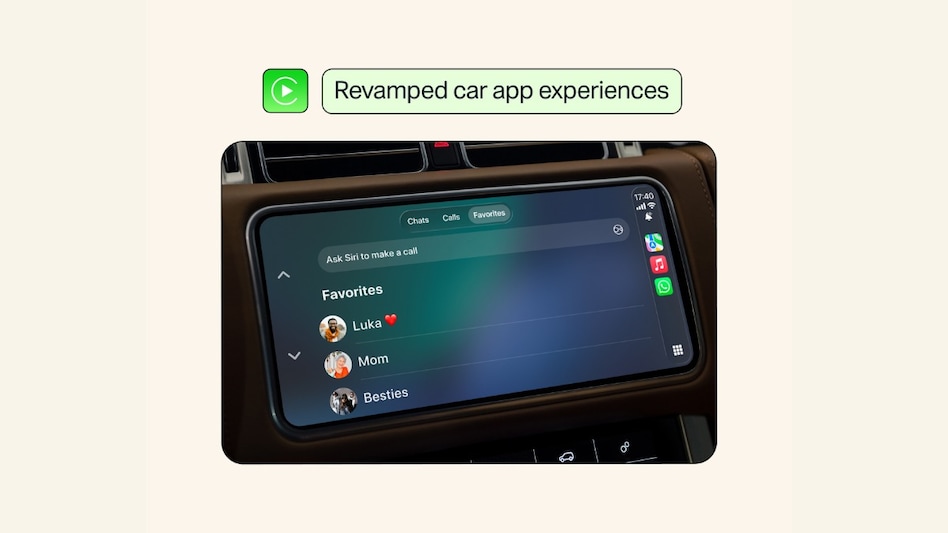
Investors React as AI Investment Woes Weigh on Tesla and Alphabet Shares
Shares of both Alphabet and Tesla experienced significant declines in premarket trading on Thursday, driven by concerns ...
CNBC | Jul 23, 2026, 08:35
iPhone 17 Series Price Surge Expected in India: Up to ₹12,000 Increase
Apple is reportedly planning to raise prices for the iPhone 17 series in India, mirroring recent price hikes in Japan. S...
Business Today | Jul 23, 2026, 10:10