
Nuro receives driverless testing permit ahead of Uber robotaxi service launch
Nuro has officially received permission to initiate driverless testing of its Lucid Gravity SUVs, which are fitted with advanced autonomous technology, on public roads in California. These vehicles are set to play a crucial role in Uber’s forthcoming premium robotaxi service. However, the California-based startup, with backing from industry giants Nvidia and Uber, has indicated that it is not yet ready to start the testing process. The California Department of Motor Vehicles (DMV), the regulatory body overseeing autonomous vehicle operations in the state, confirmed to TechCrunch that Nuro's driverless testing permit has been updated to include the Lucid Gravity model. Although Nuro has held a driverless permit for six years, it previously only applied to low-speed delivery vehicles, a program that was abandoned as the company shifted its focus to licensing its technology to partners like Uber. This newly granted permit allows Nuro to conduct testing of the Lucid vehicles without a human safety operator in the driver's seat. Nuro spokesperson David Salguero mentioned that the company aims to commence driverless testing by the end of this year, though specific timelines have not been disclosed. This permit marks just one of the many regulatory challenges Nuro must navigate before Uber can launch its premium robotaxi service. Additional approvals are needed, including a driverless ride-hailing permit from the California Public Utilities Commission and a deployment permit from the DMV. Currently, both Nuro and Uber are piloting the Lucid vehicles in autonomous mode, but with a human operator still present. Recently, Uber expanded its testing program to allow select employees to request rides in the autonomous Lucid robotaxi via the Uber app, again with a human safety operator on board. In a significant commitment, Uber has increased its investment in Lucid, originally announced in July 2025, from $300 million to $500 million, alongside plans to acquire at least 35,000 robotaxi-ready Gravity vehicles. These vehicles will be equipped with Nuro’s autonomous driving system, which leverages Nvidia’s Drive AGX Thor computer. The Lucid Gravity robotaxi, unveiled earlier this year, features an array of high-resolution cameras, solid-state lidar sensors, and radar systems that facilitate its self-driving capabilities. Lucid has already delivered 75 engineering vehicles to Nuro and Uber, with testing and data collection underway in multiple U.S. cities. During its recent earnings call, Lucid reaffirmed its timeline for beginning commercial robotaxi operations in late 2026. However, the ability to operate driverlessly, or the extent to which these operations will be autonomous, will ultimately depend on regulatory approvals. Nonetheless, Lucid officials expressed optimism about the progress of development and certification processes.
Crisis Averted: Power Line Failure Highlights Urgent Need for Data Center Resilience
A power line failure near Washington, DC, recently showcased a significant challenge faced by the electrical grid due to...
TechCrunch | Jul 25, 2026, 13:50
Vision Breakthrough: US Startup Launches Groundbreaking Retina Chip in Europe
Science Corp is poised to introduce a revolutionary retina chip in Europe, designed to restore partial vision for indivi...
Business Today | Jul 25, 2026, 01:00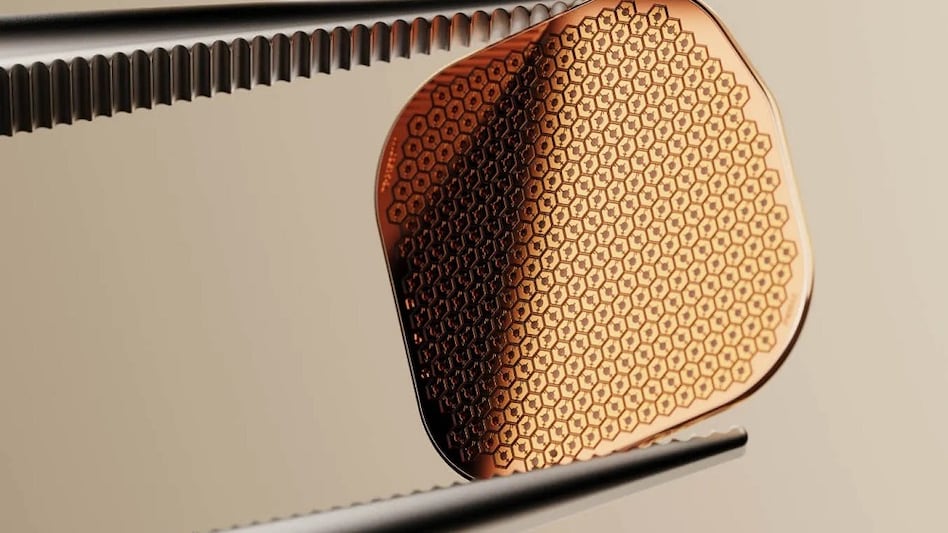
Reclaiming Control: Librarians Host Workshops to Help People Navigate AI Tools
In a lively library setting in South Philadelphia, Charlie Bailey, a local librarian, humorously noted, "Everybody’s on ...
TechCrunch | Jul 25, 2026, 16:20
The Rise of AI Distillation: A Controversial Technique Sparks Debate in Tech and Government
In recent discussions, a once-obscure topic in artificial intelligence has surged to the forefront of debates among tech...
CNBC | Jul 25, 2026, 12:15
SpaceX's Latest Starlink Launch Marks Milestone Amid Booster Setbacks
On Friday, SpaceX marked a significant achievement by successfully launching its first batch of third-generation Starlin...
TechCrunch | Jul 24, 2026, 23:40