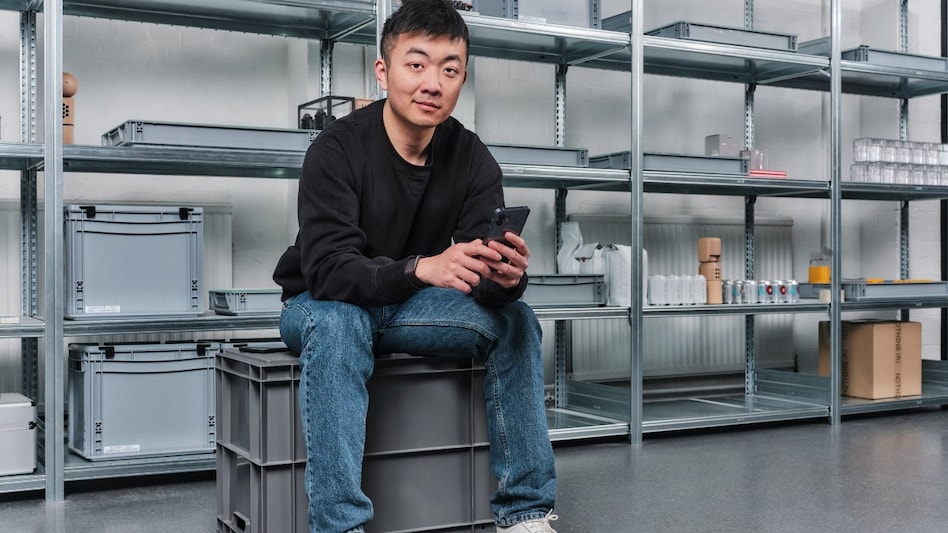
Nothing CEO Carl Pei warns of smartphone price hikes as AI drives memory costs to record highs
Carl Pei, the CEO and founder of Nothing, has issued a stark warning that smartphone prices are likely to increase significantly. This prediction comes as a result of escalating costs associated with memory and storage, driven by a surge in investment in artificial intelligence (AI) infrastructure. In a recent post on X (formerly known as Twitter), Pei highlighted that the long-held belief that smartphone components would continually decrease in price has been fundamentally altered. For over 15 years, the smartphone industry relied on a consistent expectation that components would become cheaper. However, Pei pointed out that this model has been shattered due to an unforeseen spike in memory costs. According to him, the rapid growth of AI data centers has transformed the global memory market, with large tech companies securing chip capacity well ahead of time to support the burgeoning AI sector. This fierce competition has led smartphones to directly contend with AI infrastructure for crucial components. Pei emphasized that memory is increasingly becoming one of the priciest parts of smartphones, potentially evolving into the primary cost driver in the overall manufacturing process. He noted that in some instances, memory prices have surged by as much as threefold, with further increases anticipated as demand continues to outstrip supply. He cautioned that memory components that were once priced under $20 could exceed $100 for premium smartphones by the end of 2026. This shift marks a significant change in the smartphone market landscape, according to Pei. Brands are now faced with a challenging decision: either increase prices by 30% or more or downgrade specifications. The previously successful model of providing more features for less money is no longer viable in this new economic environment. He warned that budget and mid-range segments could see a drastic reduction in size, with forecasts suggesting a potential shrinkage of over 20% in these markets. As for Nothing, Pei indicated that the company is also feeling the effects of these rising costs. Plans to enhance some upcoming devices with faster UFS 3.1 storage will further pressure pricing strategies. He believes that 2026 will signify the end of the long-standing race for higher specifications in smartphones, ushering in an era where the user experience becomes the primary differentiator. The timing of this warning coincides with Nothing's ongoing expansion in India, which is rapidly becoming one of its key markets. The company has announced plans for its first flagship experience store in India, and its sub-brand CMF is establishing its global headquarters there. Presently, Nothing exports three models manufactured in India, contributing to a growing presence in the global smartphone market. Despite the looming challenges of rising costs, Pei reaffirmed that Nothing will prioritize design and user experience over sheer specifications. He stated, "Our focus remains on perfecting how the device feels and works in everyday use."
The Rise of AI Distillation: A Controversial Technique Sparks Debate in Tech and Government
In recent discussions, a once-obscure topic in artificial intelligence has surged to the forefront of debates among tech...
CNBC | Jul 25, 2026, 12:15
Crisis Averted: Power Line Failure Highlights Urgent Need for Data Center Resilience
A power line failure near Washington, DC, recently showcased a significant challenge faced by the electrical grid due to...
TechCrunch | Jul 25, 2026, 13:50
The Shift in Human Cognition: Embracing AI as a Collaborative Tool
As technology continues to evolve, a notable shift is occurring in the relationship between humans and artificial intell...
Business Insider | Jul 25, 2026, 09:50Market Turbulence: Four Key Factors Impacting Stocks This Week
This past week has been challenging for the stock market, driven by several significant forces that have created turbule...
CNBC | Jul 25, 2026, 20:05
Unlocking the Secrets of Quantum Gravity: Can AI Help Physics Make a Leap?
The realm of scientific research is undergoing a profound transformation, fueled by the rapid advancements in artificial...
Business Today | Jul 25, 2026, 24:30