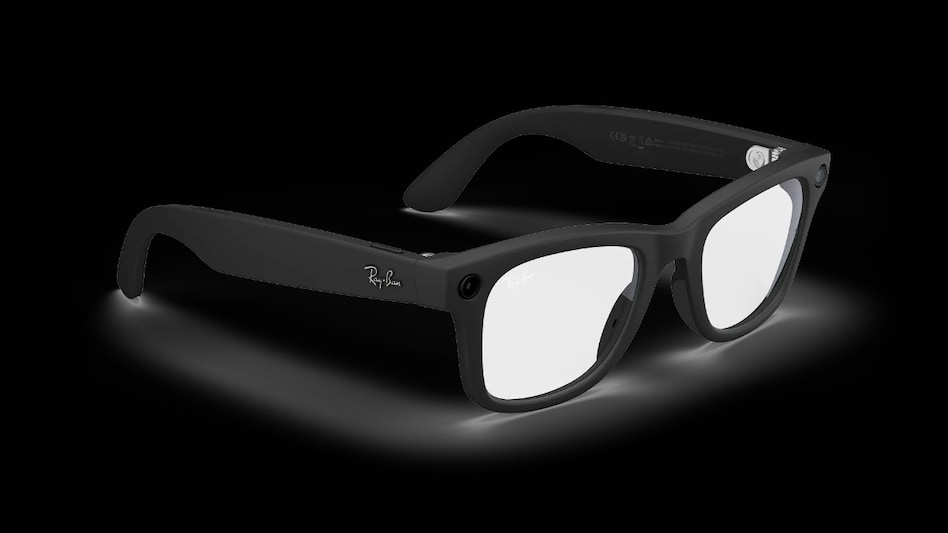
Norway plans tighter rules for camera-enabled Meta smart glasses
Norway is taking significant steps to impose stricter regulations on smart glasses and similar high-tech devices, with a focus on potential restrictions related to facial recognition technology in public environments. Digitalisation Minister Karianne Tung has indicated that these measures are prompted by rising privacy concerns as artificial intelligence increasingly merges with cameras and microphones in everyday gadgets. Smart glasses are capable of performing a variety of functions, including capturing images and videos, making calls, translating text, displaying navigation information, and interacting with AI assistants. The proposed regulations could fundamentally alter the way these devices are utilized in public settings. To aid in the development of these guidelines, an expert group will provide recommendations to the government aimed at safeguarding consumer rights against the backdrop of advancing technologies. Minister Tung emphasized that the advent of new technologies has put personal privacy at risk, and she advocates for stricter oversight of smart glasses among other devices. Among the potential regulations is a proposal to prohibit the use of facial recognition on individuals in public areas. Tung has also called on both public and private sectors to establish their own guidelines regarding the use of such technology. Finn Lützow-Holm Myrstad, who leads digital policy at the Norwegian Consumer Council, has expressed support for the government's initiatives. He has urged retailers to pause the sale of smart glasses until there is a clearer legal framework governing their use. Myrstad highlighted the increasing integration of AI with cameras and microphones embedded in various everyday products, warning that such technology should not be employed for surveilling individuals in public spaces. He further noted that Meta has already developed facial recognition capabilities that could be incorporated into their smart glasses, raising alarms about the imminent rollout of such features. Myrstad cautioned that even if facial recognition is banned, it would not necessarily prevent users from covertly recording others, indicating a significant risk of misuse associated with these devices.
Uber and Nuro Kick Off Driverless Trials for Lucid Robotaxis Ahead of 2027 Launch
Uber and Nuro have officially launched their driverless testing phase for the Lucid Gravity SUVs on the streets of the S...
TechCrunch | Nov 24, 2026, 17:15
realme P4x 5G vs vivo Y31t 5G: Which Smartphone Offers the Best Bang for Your Buck?
When it comes to choosing between the realme P4x 5G and the vivo Y31t 5G, potential buyers are faced with distinct advan...
Business Today | Nov 24, 2026, 01:50
Amazon's $7.5 Billion Acquisition of Decart: A Strategic Move in the AI Chip Landscape
In a significant development for the tech industry, Amazon has announced its acquisition of Decart, a startup specializi...
TechCrunch | Nov 24, 2026, 15:55
Emerging AI Chip Design Revolution: A Challenge to Nvidia's Reign
Nvidia, under the leadership of Jensen Huang, faces a significant challenge from the very AI technology it helped to pop...
Business Insider | Nov 24, 2026, 10:10Electric Truck Innovator Harbinger Secures Major Funding from Erebor Bank
Harbinger, an emerging player in the electric truck industry, has secured a significant financial boost from Erebor Bank...
TechCrunch | Nov 24, 2026, 18:00