
New York governor clears path for robotaxis everywhere, with one notable exception
Governor Kathy Hochul of New York has announced plans to introduce legislation aimed at legalizing robotaxis throughout the state, notably excluding New York City. During her recent State of the State address, Hochul highlighted that this initiative would represent a significant advancement in the state’s autonomous vehicle pilot program. While specific details regarding the legislation remain sparse, a document outlining various proposals suggests that the state seeks to expand its existing autonomous vehicle program. This expansion would facilitate the limited operation of commercial autonomous passenger vehicles, but strictly outside of the bustling New York City. Companies looking to establish robotaxi services will be required to submit applications that demonstrate local support for their operations and comply with rigorous safety standards. However, the document leaves vague the definitions of “limited deployment” and “highest possible safety standards.” Furthermore, it does not clarify how the state plans to monitor and evaluate the safety records of these companies, although several agencies, including the Department of Motor Vehicles, Department of Transportation, and New York State Police, will be involved in the oversight. Waymo, a subsidiary of Alphabet, expressed optimism about the proposed legislation, calling it a transformative step for New York's transportation landscape. Justin Kintz, Waymo's head of global public policy, emphasized the potential for New York to leverage its investments in traffic management and safety in conjunction with their autonomous technology to create a safer, more accessible living environment. Historically, Waymo and other autonomous vehicle companies have faced challenges in entering the New York market due to existing state laws requiring a driver to keep one hand on the wheel at all times. This regulation complicates the operation of robotaxis, which often do not have a human driver present. Currently, an exemption allows for the development and testing of autonomous vehicles in the state, yet significant obstacles remain, especially in New York City. Last August, city regulators issued a permit to Waymo to test its robotaxis within Manhattan and Downtown Brooklyn, allowing the company to deploy a limited number of vehicles with a human safety operator present. However, the company still faces restrictions, such as the inability to transport passengers or operate a commercial service without additional licenses from the city’s Taxi and Limousine Commission. Although a legislative effort to establish a framework for driverless vehicle operations was introduced last year, it has stalled in the state Senate's transportation committee. The governor's recent proposal could potentially break this deadlock, paving the way for a new era of autonomous transportation in New York.
The Rise of AI Distillation: A Controversial Technique Sparks Debate in Tech and Government
In recent discussions, a once-obscure topic in artificial intelligence has surged to the forefront of debates among tech...
CNBC | Jul 25, 2026, 12:15
Reclaiming Control: Librarians Host Workshops to Help People Navigate AI Tools
In a lively library setting in South Philadelphia, Charlie Bailey, a local librarian, humorously noted, "Everybody’s on ...
TechCrunch | Jul 25, 2026, 16:20
SpaceX Successfully Tests Starship Rocket, Launching New Era of Space Exploration
On Friday evening, SpaceX executed a significant milestone by launching its colossal Starship rocket from its facility i...
CNBC | Jul 25, 2026, 24:10
The Aluminum Foil Trend: A DIY Shield Against Wireless Identity Theft
Have you noticed an unusual trend where people are wrapping their wallets in aluminum foil? This peculiar practice has e...
Business Today | Jul 25, 2026, 02:45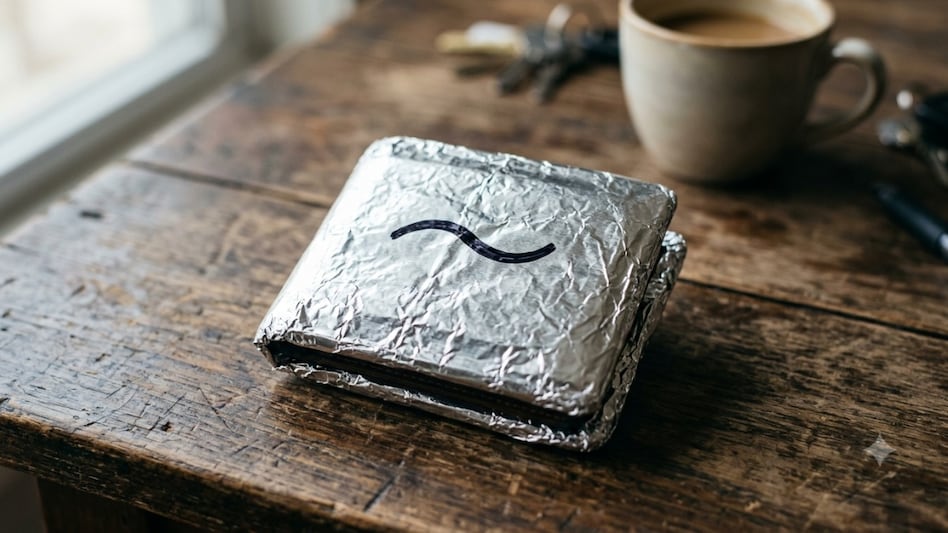
The Boring Company Eyes $4 Billion Funding Boost Amid Expanding Tunnel Ventures
Elon Musk's tunneling enterprise, The Boring Company, is reportedly negotiating a substantial funding round of $4 billio...
TechCrunch | Jul 25, 2026, 19:50