Trump's Big Beautiful Bill is quietly handing startups a shot at a faster payday
Recent changes in tax legislation under President Donald Trump are set to benefit startup founders and investors significantly. The newly enacted 'One Big Beautiful Bill' introduces key amendments that could enable these entrepreneurs to realize their equity investments more swiftly than previously allowed. One of the most impactful updates is the expansion of the definition of a small business, now allowing companies with up to $75 million in gross assets to qualify for favorable tax provisions, an increase from the previous $50 million limit. This change creates new opportunities for startups and their investors, who can now enjoy substantial tax exemptions on profits from equity sales. Under the revised rules, profits from stock sales will be partially tax-free after three years, with those benefits increasing to 75% after four years and reaching full tax exemption after five years. This tiered approach aims to stimulate earlier acquisitions and secondary sales, which previously faced hefty tax liabilities if initiated before the five-year mark. Venture capitalists and startup founders are already buzzing about these alterations. Luke Fischer, CEO of geospatial tech firm SkyFi, expressed optimism, noting that the changes reflect an administration attuned to the realities of business. The new regulations enable entrepreneurs to reinvest their earnings back into their ventures or new initiatives with reduced tax burdens. Moreover, the updated Qualified Small Business Stock (QSBS) rules allow for greater profit caps—up to $15 million tax-free per taxpayer from the sale of startup shares, or up to ten times their initial investment, whichever is higher. However, businesses primarily providing services, like legal or medical firms, do not qualify. Legal experts, such as venture capital attorney Chris Harvey, highlighted that many companies that might have been excluded from QSBS benefits due to previous asset limits may now find themselves eligible, broadening the pool of startups benefiting from these provisions. This could lead to more early-stage companies exploring acquisition offers sooner, which is particularly relevant as major tech firms are eager to acquire AI talent and innovations. The potential for increased mergers and acquisitions is on the rise, with experts observing a shift in how startups are approaching acquisition offers. Milad Alucozai, co-founder of Pamir Ventures, remarked that the new tax framework allows startups to consider acquisition opportunities at the three-year mark, which could reshape investment strategies in the tech landscape. While these reforms favor investors, questions remain about how they will impact employees and their stock options, as they still face tax implications upon conversion. Nevertheless, the overall sentiment in the venture ecosystem is positive, with expectations that these changes will drive more capital and foster a healthier environment for startups and their stakeholders. In conclusion, this legislative shift promises to enhance the startup landscape, providing a more flexible and lucrative framework for early exits and creating a more dynamic venture capital environment.
Chinese Cities Roll Out Major Incentives for OpenClaw Startups
In an aggressive move to attract startups focused on OpenClaw technology, several cities in China are unveiling a range ...
Business Insider | Mar 10, 2026, 05:15AMI Labs Secures $1.03 Billion to Pioneer AI World Models Under Yann LeCun's Leadership
AMI Labs, the groundbreaking venture founded by Turing Prize laureate Yann LeCun after his tenure at Meta, has successfu...
TechCrunch | Mar 10, 2026, 05:05
Tech Titans Rally Behind Anthropic in Legal Battle Against Government Labeling
In a significant legal move, Anthropic has launched a lawsuit against the U.S. Department of Defense after being categor...
Business Today | Mar 10, 2026, 06:45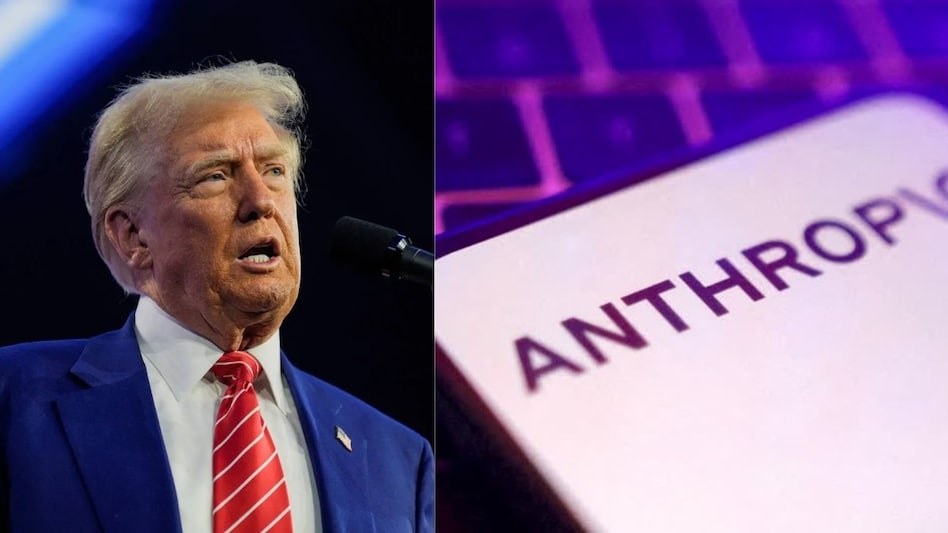
Anthropic Unveils AI-Powered Code Review Tool to Streamline Development
In the world of software development, peer review is essential for identifying bugs early, ensuring consistency, and enh...
TechCrunch | Mar 09, 2026, 20:15
Soaring into the Future: Electric Air Taxis Set to Launch Across 26 States
The Federal Aviation Administration (FAA) has given the green light for eight pilot programs that will enable several co...
TechCrunch | Mar 09, 2026, 22:55