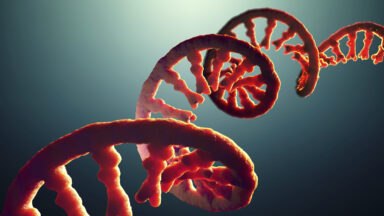
Do you take after your dad’s RNA?
On a sunny afternoon in Jiangsu, China, biochemist Xin Yin engages in a unique experiment with mice, acting as their personal trainer. He places each mouse on a small treadmill that gradually increases in speed. Surprisingly, these particular mice, originating from the same genetic lineage as a control group, exhibit exceptional athleticism, running longer distances while experiencing less lactic acid build-up compared to their less active counterparts. The key to their remarkable stamina lies not in their genetic makeup or specialized training, but rather in their father's preconception exercise habits. This intriguing discovery opens up new avenues of thought, suggesting that the benefits of physical activity may extend beyond the individual to their unborn offspring. "I was very surprised when I first saw the data," Yin remarked. In a detailed analysis of the sperm from the active mice, Yin's research team identified elevated levels of specific RNA molecules, known as microRNAs, which were absent in the sperm of their sedentary siblings. When these microRNAs were injected into unrelated embryos, the resulting offspring demonstrated similar fitness levels to those born of the exercising fathers. This groundbreaking 2025 study contributes to a growing body of evidence that suggests sperm carry more than just genetic information. Over the past twenty years, researchers have discovered that various factors—including exercise, diet, stress, and environmental toxins—can induce fluctuations in RNA within sperm cells. Such changes have been linked to developmental and metabolic shifts, as well as varying rates of depression among the offspring. Although studying these effects in humans poses challenges, evidence indicates that men with different lifestyles—whether they exercise, smoke, or consume high-sugar diets—exhibit variations in sperm RNA. Additionally, children of parents facing obesity or mental health challenges are statistically more likely to inherit similar conditions, further emphasizing the potential intergenerational impact of parental health habits.
Market Turbulence: Four Key Factors Impacting Stocks This Week
This past week has been challenging for the stock market, driven by several significant forces that have created turbule...
CNBC | Jul 25, 2026, 20:05
The Elusive Phineas Fisher: The Hacktivist Who Took Down Spyware Giants
In the realm of cybersecurity, few figures are as intriguing as Phineas Fisher, a hacker who has evaded capture for near...
TechCrunch | Jul 25, 2026, 21:00
AI Transformations Lead to Major Job Cuts at Tech Giants
Monday.com, the innovative work management platform based in Tel Aviv, has recently announced significant layoffs, attri...
TechCrunch | Jul 26, 2026, 01:45
Reclaiming Control: Librarians Host Workshops to Help People Navigate AI Tools
In a lively library setting in South Philadelphia, Charlie Bailey, a local librarian, humorously noted, "Everybody’s on ...
TechCrunch | Jul 25, 2026, 16:20
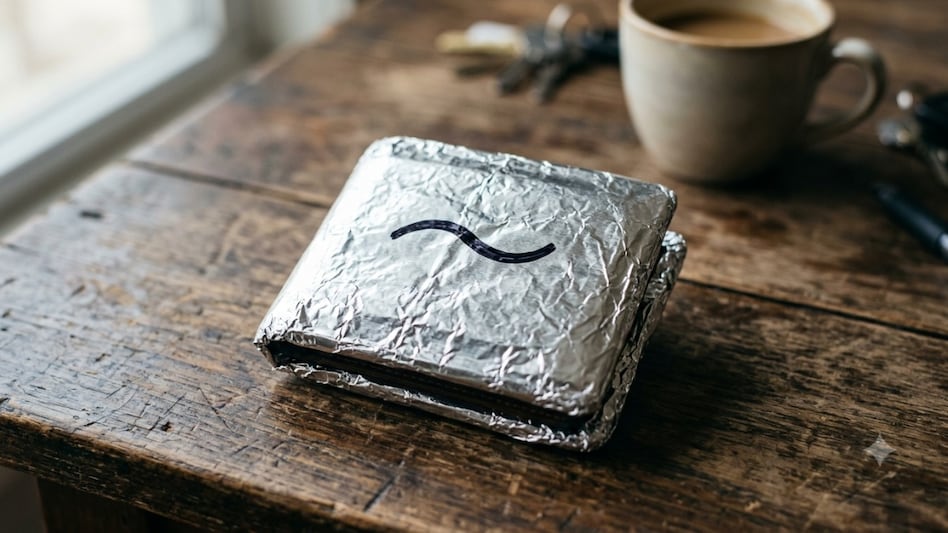
The Aluminum Foil Trend: A DIY Shield Against Wireless Identity Theft
Have you noticed an unusual trend where people are wrapping their wallets in aluminum foil? This peculiar practice has e...
Business Today | Jul 25, 2026, 02:45