
US Senator proposes AI 'sandbox' to ease tech rules: How will it spur innovation
In a strategic move to enhance the tech landscape, Republican Senator Ted Cruz has unveiled a proposed 'sandbox' bill aimed at granting AI companies more leeway in navigating federal regulations. During a subcommittee hearing on Wednesday, Cruz, who leads the Senate Commerce Committee, emphasized the importance of reducing regulatory hurdles to ensure that the U.S. tech sector remains competitive, particularly against China. Cruz clarified that while the regulatory sandbox would provide necessary flexibility, it does not exempt AI developers from existing laws. "A regulatory sandbox is not a free pass. People creating or using AI still have to follow the same laws as everyone else," he stated. Should the bill be approved, it would allow federal agencies to review applications from companies seeking temporary exemptions from regulations for two-year periods. In return, these companies must present a thorough assessment of potential safety and financial risks along with their mitigation strategies. This initiative follows calls from leading tech firms, including OpenAI and Google, for a reduction in regulatory constraints on AI development. The White House's Office of Science and Technology Policy (OSTP) has indicated that it plans to collect public input on which regulations are hindering the industry. Federal oversight encompasses multiple areas, including health data privacy and transportation safety. Notably, Cruz's proposal does not include a provision to prohibit state regulations, despite industry requests for such measures, as the White House considers it essential to fostering innovation. In the past, efforts to impose a 10-year freeze on state regulations faced significant opposition in the Senate, with a notable vote of 99-1 against it. Meanwhile, various states have begun to establish their own AI regulations. OSTP Director Michael Kratsios voiced concerns about these regulations, labeling them as detrimental to industry progress and suggesting that Congress should explore ways to limit state laws affecting AI development. "It's something that my office wants to work very closely with you on," he assured Cruz during the hearing.
Anthropic Explores Major Computing Partnership with Meta
Anthropic is reportedly in early discussions with Meta to secure a lease for computing power, as confirmed by a source f...
CNBC | Jul 17, 2026, 16:55
Florida Man Arrested for Allegedly Using Malware-Infested Games to Steal Cryptocurrency
U.S. authorities have taken a significant step in combatting cybercrime with the arrest of a 21-year-old Florida residen...
TechCrunch | Jul 17, 2026, 16:45
Agility Robotics Expands Operations Near Tesla, Aiming for Humanoid Robot Leadership
Agility Robotics is set to launch a substantial 60,000-square-foot facility in Fremont, California, strategically locate...
TechCrunch | Jul 17, 2026, 20:35
Nvidia CEO's Iconic Leather Jacket Fetches Nearly $1 Million at Auction
Jensen Huang, the CEO of Nvidia, is known for his distinctive style, often sporting a leather jacket that has become his...
CNBC | Jul 17, 2026, 23:25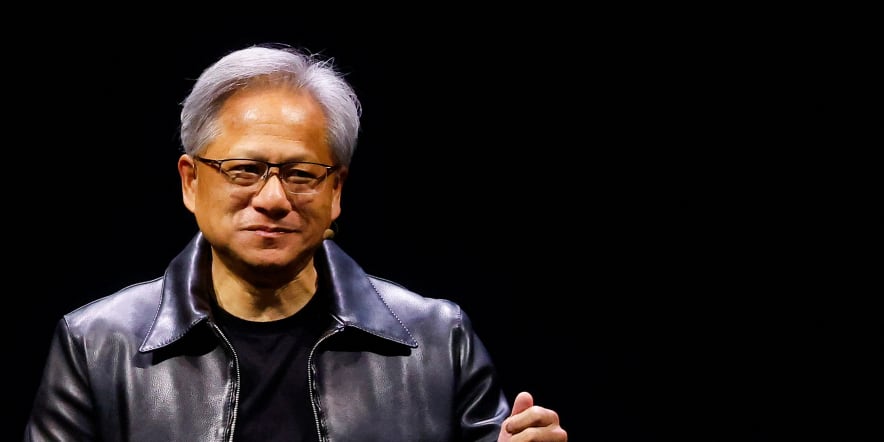
Xi Jinping Advocates for Open-Source AI Collaboration at Global Conference
At the World Artificial Intelligence Conference held in Shanghai, Chinese President Xi Jinping emphasized the necessity ...
Business Insider | Jul 17, 2026, 17:10