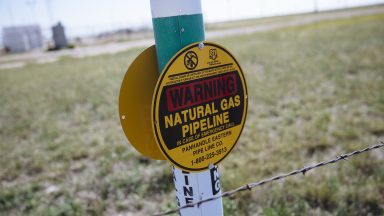
EPA makes it harder for states, tribes to block pipelines
In a move to accelerate the permitting process for major energy and infrastructure initiatives, the Trump Administration unveiled a new rule on Tuesday that targets oil and gas pipelines, among other projects. This initiative, which operates independently of congressional approval, proposes significant procedural modifications to Section 401 of the Clean Water Act, a critical law governing water pollution in the United States since the 1970s. Historically, Section 401 has empowered states and tribes to approve, impose conditions, or deny federal permits for projects they believe could harm local water bodies. However, the current administration seeks to narrow that authority as part of an effort to streamline project approvals and promote what they term "energy dominance." Jess Kramer, the EPA's assistant administrator for water, articulated this mission during a press briefing, stating, "This proposed rule is the next step in ensuring that states and tribes only utilize section 401 for its statutory purpose to protect water quality and not as a weapon to shut down projects." Kramer criticized the existing system as "fundamentally flawed," claiming that it has resulted in unnecessary delays for significant energy projects. She pointed out that lengthy certification timelines are detrimental to business operations. The newly proposed rule outlines a series of procedural adjustments aimed at fostering a more predictable and efficient permitting process. Among the changes, a standardized list of requirements will be established for companies to submit before a state or tribe can begin reviewing a project. Kramer emphasized that once finalized, this rule is expected to enhance transparency, efficiency, and predictability for both certifying authorities and the regulated community. Furthermore, it will prevent regulators from requesting that applicants withdraw and resubmit their requests to extend deadlines, while also enforcing a strict one-year limit for decision-making.
Nvidia Strikes Major Deal with SK Hynix to Secure AI Memory Supply
Nvidia has successfully forged a significant partnership with South Korea's SK Hynix to secure memory supplies essential...
CNBC | Jul 25, 2026, 05:15
Reclaiming Control: Librarians Host Workshops to Help People Navigate AI Tools
In a lively library setting in South Philadelphia, Charlie Bailey, a local librarian, humorously noted, "Everybody’s on ...
TechCrunch | Jul 25, 2026, 16:20
Unleashing the Power of AI: The 5 Smartphones Redefining Mobile Photography
Artificial Intelligence (AI) is transforming our daily experiences, permeating various aspects of technology, including ...
Business Today | Jul 26, 2026, 07:05
Navigating the AI Landscape: Insights from a Former OpenAI Intern
As the demand for expertise in artificial intelligence surges, many are seeking ways to break into this dynamic field. H...
Business Insider | Jul 26, 2026, 10:10AI Transformations Lead to Major Job Cuts at Tech Giants
Monday.com, the innovative work management platform based in Tel Aviv, has recently announced significant layoffs, attri...
TechCrunch | Jul 26, 2026, 01:45