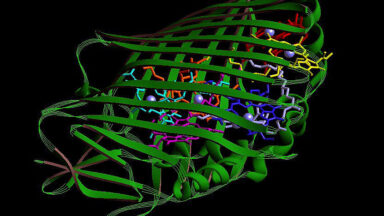
Do AI-designed proteins create a biosecurity vulnerability?
On Thursday, researchers from Microsoft revealed their findings regarding a significant security vulnerability in biological systems, referring to it as a biological zero-day. This security gap pertains to the system that monitors DNA sequence purchases to identify potential orders for DNA that could encode harmful viruses or toxins. The researchers emphasized that while existing biosurveillance programs are effective, they are becoming increasingly susceptible to overlooking a new wave of threats posed by AI-generated toxins. To assess the severity of this risk, it’s essential to understand how biological threats manifest and the role AI plays in protein design. Biological dangers can arise from various sources, including pathogens like viruses and bacteria, as well as protein-based toxins such as ricin, which infamously made headlines in 2003 when sent to the White House. Additionally, there are chemical toxins produced through enzymatic reactions, like those associated with red tide. All these threats originate from a common biological process: DNA is transcribed into RNA, which subsequently leads to protein synthesis. For years, acquiring the necessary DNA sequences has been as simple as placing an order online with various companies that synthesize these sequences. In response to the potential risks, both government agencies and the private sector have implemented a crucial screening process for each order placed. This protocol involves scanning the DNA sequence to detect any components that could encode dangerous proteins or viruses. If any suspicious sequences are identified, they are flagged for further review, ensuring that any potential threats are evaluated by experts. The methods used for screening have evolved over time, adapting to advancements in research. Initially, screenings were based on the similarity to known threat DNA sequences. However, recognizing that multiple DNA sequences can lead to the same protein, algorithms have been refined to account for all possible DNA variants that could pose similar risks.
Samsung's New Foldables Hit the Market with Significant Price Increases
Samsung has unveiled its latest generation of foldable smartphones, introducing two book-style models and a clamshell de...
Business Today | Jul 23, 2026, 07:10
ServiceNow Invests $40 Million in Indian Banking Software Firm to Enhance Financial Services
ServiceNow, a prominent U.S. enterprise software provider renowned for streamlining workflows in IT and HR functions, is...
TechCrunch | Jul 23, 2026, 06:50
Market Insights: AI Concerns, Rising Oil Prices, and Legislative Changes Shape Today's Trading Landscape
Good morning. As we dive into today's trading landscape, investors are facing a whirlwind of factors affecting the marke...
CNBC | Jul 23, 2026, 12:55
Allegations Fly as US Claims Chinese AI Model Breached Intellectual Property
In a bold accusation, Michael Kratsios, science and technology adviser to President Donald Trump, has charged that the C...
Business Today | Jul 23, 2026, 05:20
Allegations Surface: Moonshot AI's Controversial Access to Nvidia Chips Amid Export Controls
A high-ranking official from the White House has raised serious concerns regarding the Chinese AI firm Moonshot's potent...
CNBC | Jul 23, 2026, 11:25