
BCI startup Neurable looks to license its ‘mind-reading’ tech for consumer wearables
Brain-computer interface (BCI) technology, which connects neural signals directly from the brain to computers, is transitioning from a concept of science fiction to a competitive sector within the tech industry. Leading the charge in this innovation is Neurable, a startup that recently announced its intention to license its advanced 'mind-reading' technology for consumer wearable devices. Unlike companies such as Neuralink, founded by Elon Musk, which involves surgical implantation of chips into the brain, Neurable focuses on non-invasive BCI. Its technology utilizes EEG sensors combined with sophisticated signal processing to monitor brain activity, interpret it using artificial intelligence, and relay insights about cognitive performance. In December, Neurable secured $35 million in a Series A funding round, which the company plans to allocate toward expanding its technology's commercialization efforts. As part of this expansion, Neurable is now seeking to partner with various consumer product companies, aiming for integration of its technology into wearables across multiple fields, including health, athletic gear, productivity devices, and gaming. According to a press release from the company, Neurable's licensing platform allows original equipment manufacturers (OEMs) to seamlessly integrate its brain-sensing technology into existing products, such as headphones, hats, glasses, and headbands, while retaining control over design and user experience. Neurable has already established collaborations with several brands, including HP Inc.'s HyperX, which has developed a headset to enhance gamers' focus and performance. Additionally, the startup has teamed up with iMotions, a platform dedicated to human behavior research, to support various research initiatives. In a recent interview, Neurable’s CEO Ramses Alcaide did not disclose specific upcoming partnerships but emphasized the company's goal to broaden its reach across different sectors. "Previously, we were selective about our partnerships, focusing on one company at a time to demonstrate our technology's value. Now, we aim to scale up and show that our technology can deliver across various applications," Alcaide stated. Alcaide envisions a future where BCI technology becomes as commonplace as heart rate monitors. However, given the sensitive nature of brain data, questions arise about user privacy. Alcaide assured that Neurable prioritizes data protection and anonymization, adhering to stringent privacy policies and HIPAA standards to secure user information. When asked if Neurable utilizes neural data to improve its AI systems, Alcaide clarified that such use would only occur with user consent, ensuring that data collection is conducted in a targeted manner rather than indiscriminately. He noted that the industry is at a pivotal moment, where a viable and scalable business model in neuro-technology is emerging, leaving the future of this innovation wide open.
Reclaiming Control: Librarians Host Workshops to Help People Navigate AI Tools
In a lively library setting in South Philadelphia, Charlie Bailey, a local librarian, humorously noted, "Everybody’s on ...
TechCrunch | Jul 25, 2026, 16:20
AI Revolution: Sam Altman Declares We Are in the Singularity Era
OpenAI's CEO, Sam Altman, has boldly asserted that we have reached a pivotal moment in the evolution of artificial intel...
Business Insider | Jul 26, 2026, 18:10The Boring Company Eyes $4 Billion Funding Boost Amid Expanding Tunnel Ventures
Elon Musk's tunneling enterprise, The Boring Company, is reportedly negotiating a substantial funding round of $4 billio...
TechCrunch | Jul 25, 2026, 19:50
Unleashing the Power of AI: The 5 Smartphones Redefining Mobile Photography
Artificial Intelligence (AI) is transforming our daily experiences, permeating various aspects of technology, including ...
Business Today | Jul 26, 2026, 07:05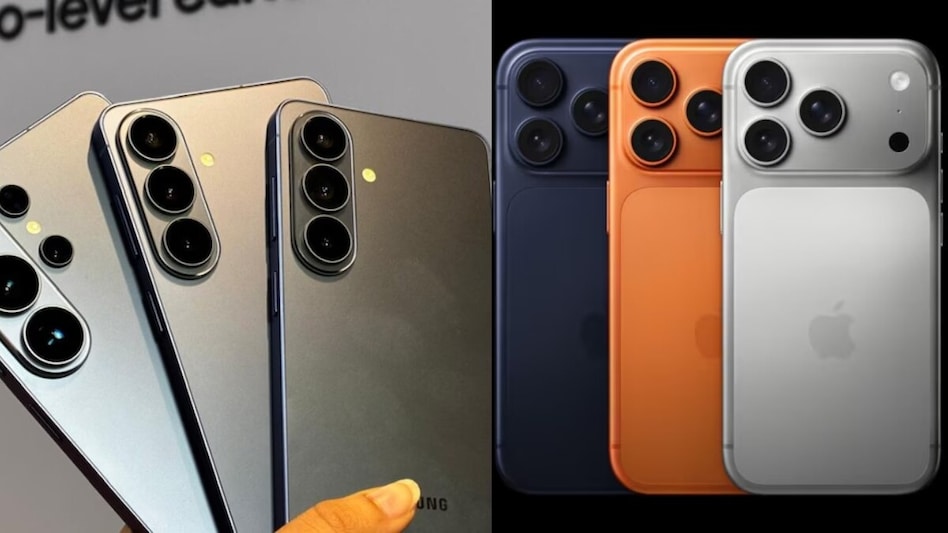
AI Transformations Lead to Major Job Cuts at Tech Giants
Monday.com, the innovative work management platform based in Tel Aviv, has recently announced significant layoffs, attri...
TechCrunch | Jul 26, 2026, 01:45