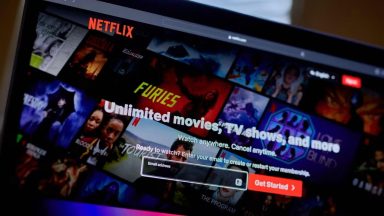
Netflix quietly drops support for casting to most TVs
Are you struggling to cast your favorite shows like 'Stranger Things' to your TV? The issue isn’t with your device—it’s a deliberate change from Netflix. The streaming service has recently altered its support for Google Cast, significantly limiting the feature's availability. Now, to cast content, users must subscribe to one of Netflix's higher-priced plans, and even then, casting is only compatible with older television models and certain streaming devices. Since the introduction of Google Cast alongside the launch of Chromecast in 2013, Netflix users enjoyed the convenience of starting streams directly from their mobile devices. This functionality was crucial for devices lacking a remote control or on-screen interface. However, the landscape has changed. With many TVs now equipped with their own dedicated Netflix applications, the need for casting has diminished. Netflix's recent updates reflect a broader strategy to restrict access to its features. Over the past few weeks, the company has stealthily modified its Android app to eliminate most casting capabilities, echoing a similar move in 2019 when it disabled Apple AirPlay support. According to Netflix’s support documentation, casting is now limited to specific conditions. Users must subscribe to one of the ad-free tiers, starting at $17.99 per month, to access this feature. Those on the ad-supported plan priced at $7.99 will find casting unavailable altogether. Even for those who qualify, casting will only work on devices that lack a remote, such as older models of Google Chromecast. For instance, users with the third-generation Chromecast from 2018 can still cast Netflix, but those using the 2020 Chromecast with a remote and a full Android operating system must utilize the TV app instead. Essentially, any smart TV running Android/Google TV or equipped with the complete Netflix app will require users to log in before accessing content.
OpenAI's Micro Keypad: A Novelty for Coders or Just a Confounding Gadget?
Last week, OpenAI made its debut in the hardware landscape with the launch of Micro, a stylish keypad designed to integr...
TechCrunch | Jul 25, 2026, 24:40
The Aluminum Foil Trend: A DIY Shield Against Wireless Identity Theft
Have you noticed an unusual trend where people are wrapping their wallets in aluminum foil? This peculiar practice has e...
Business Today | Jul 25, 2026, 02:45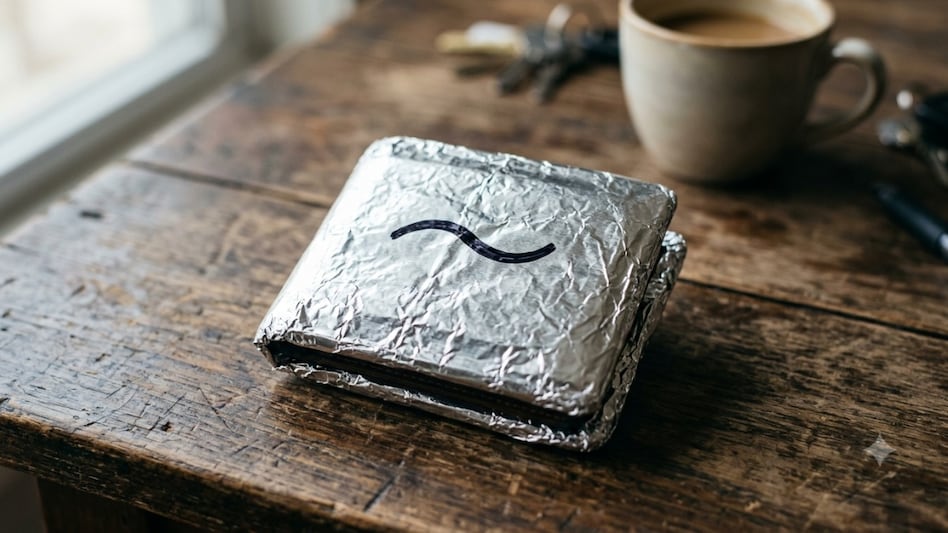
SpaceX's Latest Starlink Launch Marks Milestone Amid Booster Setbacks
On Friday, SpaceX marked a significant achievement by successfully launching its first batch of third-generation Starlin...
TechCrunch | Jul 24, 2026, 23:40
Revolutionizing Office Automation: Prentis Aims to Secure $100 Million in Funding
Prentis, a newly established AI research lab, is making waves in the tech industry as it prepares to raise $100 million ...
TechCrunch | Jul 25, 2026, 24:00
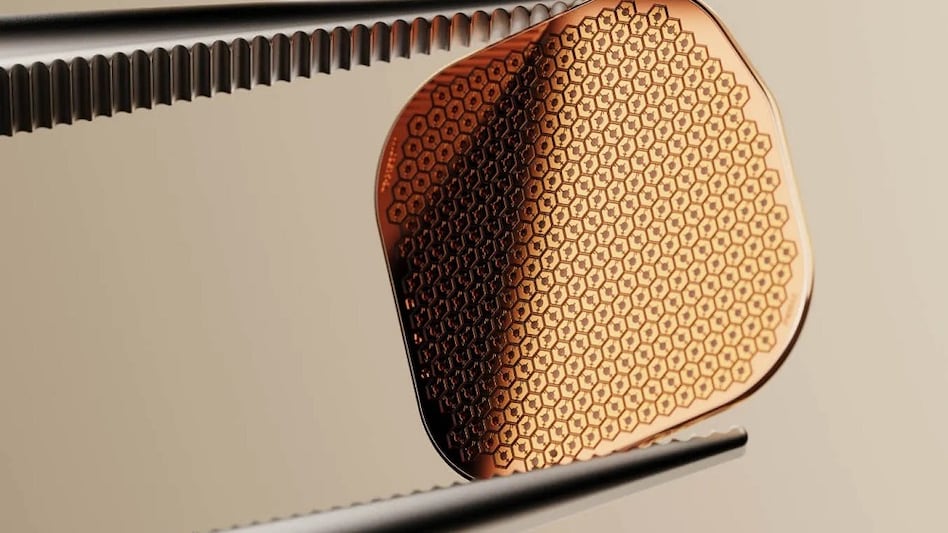
Vision Breakthrough: US Startup Launches Groundbreaking Retina Chip in Europe
Science Corp is poised to introduce a revolutionary retina chip in Europe, designed to restore partial vision for indivi...
Business Today | Jul 25, 2026, 01:00