From rocket launches to space supply chains: The new industrial chokepoints
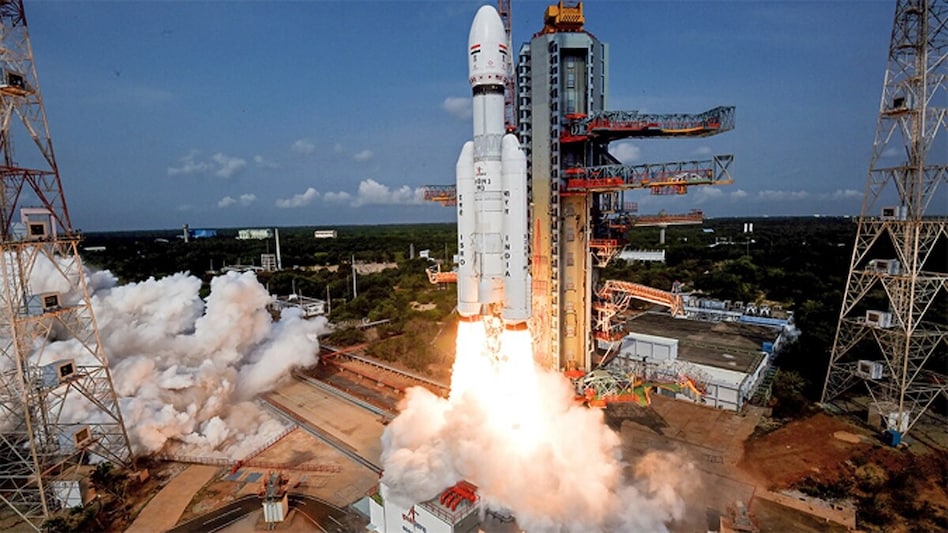
The shift towards a commercialized space sector is giving rise to a complex industrial ecosystem where launch capabilities, satellite production, orbital infrastructure, and space-derived data are set to become pivotal chokepoints. As the global space economy continues to grow, companies that dominate these key areas may secure a significant advantage in value capture. Launch capacity remains the foremost bottleneck in this evolving landscape. The dynamics of the space industry have transformed drastically, thanks to the advent of reusable rockets and more affordable smaller satellites. According to research from the Goldman Sachs Global Institute, the cost of sending a kilogram into low Earth orbit has plummeted from $65,400 in 1981 to approximately $1,500 today. However, this reduction in launch costs does not diminish the critical role of launch service providers. The report identifies launch as an upstream chokepoint, underscoring that nearly every segment of the space economy relies on the ability to transport assets into orbit. With a limited number of launch providers available globally, access to their services can significantly impact the cost structures across the industry. A parallel transformation is occurring in satellite manufacturing. The emergence of smaller and less expensive satellites has lowered entry barriers, facilitating the establishment of constellations in low Earth orbit for purposes such as communications, Earth observation, IoT, and geolocation. This evolution is supplanting the previous model dominated by large, costly satellites that could require hundreds of millions of dollars for development and launch. As the number of satellites proliferates, the capacity for manufacturing, necessary components, and operational infrastructure will likely become critical competitive advantages. According to the Goldman Sachs report, the entities that manage launch capabilities, manufacturing resources, orbital infrastructure, and space-derived data will be instrumental in defining value creation within the burgeoning space sector. The development of orbital infrastructure is creating new avenues for value generation, mirroring supply chain frameworks found in other industries. Ground stations, satellite communication networks, positioning systems, and space-domain awareness capabilities are contributing to a more interconnected infrastructure. As the demand for space-derived connectivity and data escalates, businesses outside the traditional space sector may emerge as significant customers. The report posits that the infrastructure supporting space activities could one day be as essential to business operations as internet infrastructure is today. Additionally, the potential of space-derived data is being recognized as another critical chokepoint. Earth observation satellites are capable of producing valuable information for various sectors, including agriculture, logistics, defense, and infrastructure. Enhanced capabilities in Earth observation could yield high-resolution imagery with more frequent updates, thereby broadening the commercial potential of satellite data. Furthermore, opportunities in in-space servicing, assembly, and manufacturing are on the horizon, potentially giving rise to new supply chains focused on orbital construction, microgravity production, and lunar operations. The report emphasizes that space is evolving into a foundational element of the industrial economy, characterized by supply chains and infrastructure reminiscent of other sectors. As the space industry matures, the most successful companies may not solely be those creating the most sophisticated rockets or satellites, but rather those controlling infrastructure that is difficult for competitors to replicate. The Goldman Sachs report anticipates that decreasing launch costs and increased commercialization will spur further investments and mergers and acquisitions. Firms that dominate critical chokepoints in the space supply chain could command significant value as the process of orbital industrialization accelerates, leading to a space economy where access, infrastructure, and data—not just exploration—will dictate pricing power.
Nvidia's Board Shake-Up: The High-Stakes Return of Jensen Huang
Nvidia's CEO Jensen Huang has received unwavering support from longtime board members Tench Coxe, Mark Stevens, and Harv...
CNN | Nov 24, 2026, 23:00
Walmart Partners with Meta's Muse for a Smarter Black Friday Shopping Experience
The future of shopping is now, as Walmart embraces the integration of artificial intelligence into its retail strategy. ...
TechCrunch | Nov 24, 2026, 21:45
Jensen Huang's Remarkable Comeback: A Look at Corporate Resurgences
Jensen Huang has made headlines with his return to the helm of Nvidia on November 23, merely 11 days after stepping down...
Business Today | Nov 24, 2026, 20:15
Navigating the AI Job Landscape: Challenges and Opportunities Ahead
The landscape of employment is undergoing a significant transformation as artificial intelligence (AI) permeates various...
Business Insider | Nov 24, 2026, 22:40Nvidia's Jensen Huang Addresses Employees Amid Controversy and Personal Growth
In a recent company-wide meeting, Nvidia CEO Jensen Huang expressed his remorse to employees following a tumultuous peri...
CNN | Nov 24, 2026, 20:05