'Deeptech does take a J curve,' Lightspeed’s Hemant Mohapatra on the strategy behind deeptech funding
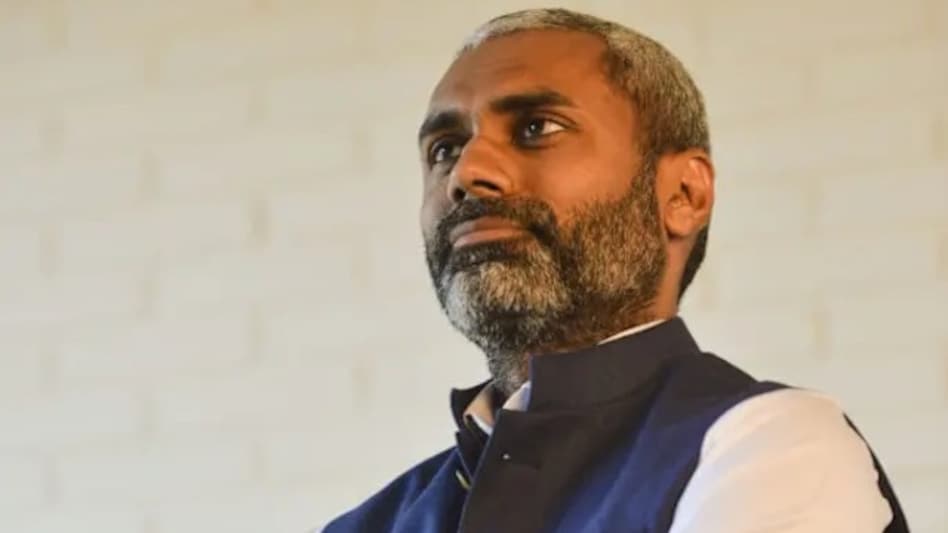
The landscape of deeptech funding in India is undergoing a significant transformation, shifting focus from merely assessing capital availability to understanding the long-term backing of entrepreneurs. As deeptech startups grapple with extended development periods and substantial initial investments, investors are re-evaluating traditional funding models that prioritize quick deployment and sector-specific allocations. Hemant Mohapatra, a Partner at Lightspeed India Partners, articulated this evolving perspective during the India Ascends 2026 conference. He emphasized that deeptech significantly differs from sectors like consumer internet or SaaS, stating, "Deeptech does take a deep J curve." This J-curve reflects a phase characterized by no revenue and ongoing expenditures, compelling investors to place greater emphasis on the conviction of founders rather than just the availability of funds. Rather than creating dedicated funds for emerging sectors, there is a growing trend of investors supporting individuals who are willing to launch companies, regardless of the market environment. Mohapatra noted, “Just because you got capital available doesn't mean founders are going to choose to start a company.” He highlighted that the most determined founders pursue entrepreneurship out of passion, attracting capital to their ventures. This shift in focus has significant consequences for the structure of deeptech funding. With a slowdown in growth-stage capital across the sector, startups with lengthy development cycles face challenges if their initial investors cannot maintain their support. Funds capable of backing companies through various stages, rather than relying solely on external growth investors, are becoming pivotal in this evolving landscape. Moreover, the quality of founders is now more critical than ever in investment evaluations. Simply having technical expertise is insufficient; investors are looking for founders who can create markets, secure funding, and persuade customers to embrace innovative technologies. Mohapatra stressed that being an engineer alone does not suffice in this demanding environment. The trends in funding are also shifting towards artificial intelligence, where investments that once focused on foundational infrastructure are now increasingly directed towards application development. As the deeptech sector matures, funding strategies are becoming more discerning and patient. The future of deeptech funding is likely to be characterized not by larger investments or wider mandates but by backing committed founders who can navigate the challenges of the J-curve long before financial returns materialize.
Revolutionizing Startup Living: Inside London's Unique Lift House
In East London, a group of six young entrepreneurs is redefining the concept of collaborative living for tech founders. ...
TechCrunch | Jul 26, 2026, 17:10
Market Turbulence: Four Key Factors Impacting Stocks This Week
This past week has been challenging for the stock market, driven by several significant forces that have created turbule...
CNBC | Jul 25, 2026, 20:05
Reclaiming Control: Librarians Host Workshops to Help People Navigate AI Tools
In a lively library setting in South Philadelphia, Charlie Bailey, a local librarian, humorously noted, "Everybody’s on ...
TechCrunch | Jul 25, 2026, 16:20
AI Revolution: Sam Altman Declares We Are in the Singularity Era
OpenAI's CEO, Sam Altman, has boldly asserted that we have reached a pivotal moment in the evolution of artificial intel...
Business Insider | Jul 26, 2026, 18:10The Future of Work: Executives Weigh In on AI's Impact on Gen Z Careers
As generative artificial intelligence continues to rise, uncertainty looms for the incoming Gen Z workforce. Leaders fro...
Business Insider | Jul 26, 2026, 10:15