World Governments Summit 2026: Media leaders draw red lines for AI in journalism, storytelling
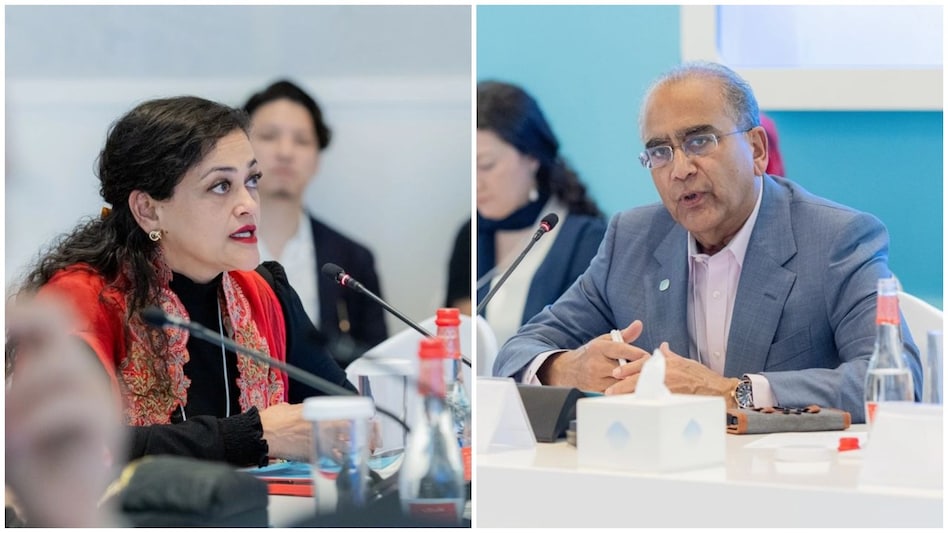
At the World Government Summit 2026, a pivotal gathering of media executives and creators, the future of journalism in the age of artificial intelligence was fervently debated. With 31 leaders from various media sectors present, the discussions centered on a pressing question: What does journalism look like when machines can generate stories? Athan Stephanopoulos, the session moderator, set the tone by stating, "We’re not asking if we’re using AI — that’s a foregone conclusion. The real question is: where does the human fingerprint remain essential?" Among the key voices was Kalli Purie, Vice Chairperson of India Today Group, who emphasized the irreplaceable value of human connection in storytelling. Purie introduced the concept of the "AI sandwich," where human intent initiates the process, AI augments content, and human judgment concludes it. She raised concerns about the cultural implications of a future where AI's interpretation of trust might differ from our own. Reinforcing the importance of human oversight, Arun Purie, Chairman of India Today Group, asserted that media institutions must remain grounded in core values. He likened AI to an engine, stressing that human beings are the drivers, responsible for ethical considerations and editorial integrity. In a landscape saturated with information, he urged legacy media to uphold truth and trust. Mina Al-Oraibi, Editor-in-Chief of The National, drew a clear line between fact and fiction, asserting that while AI can assist in summarization, the responsibility for conveying accurate information lies solely with humans. She highlighted the necessity for transparency in AI-generated content, especially in opinion-based pieces. Pedro Davi, Chairman of Euronews, candidly addressed the potential job cuts that AI could bring, advocating for a strategic redirection of savings towards enhanced editorial quality. Meanwhile, Faheem Ahmed from G42 raised philosophical questions about relevance in an AI-centric society, prompting discussions on established norms of trust and authorship. Filmmaker Lauren Selig introduced a hopeful perspective, referencing a new X Prize challenge aimed at promoting AI-generated content that benefits humanity. She passionately asked, "Why wouldn’t we use this technology to uplift humanity?" Jim VandeHei, co-founder of Axios, delivered a stark warning about the need for media professionals to adapt to technological advancements or risk obsolescence. He emphasized the importance of trust, expertise, and unique insights in a future where commoditized content would lose its value. As the session concluded, participants envisioned a radically transformed media landscape in five years — one that is hyper-personalized and fragmented. Yet, amidst this evolution, the human voice is poised to gain even greater significance. "We are in the age of authenticity," Stephanopoulos declared. "In this era, trust isn't just important — it’s everything."
PM Modi Advocates for a Unified Cybersecurity Approach at Indian Mobile Congress 2026
On October 8, Prime Minister Narendra Modi officially opened the 10th Indian Mobile Congress 2026, emphasizing the natio...
Business Today | Oct 08, 2026, 07:10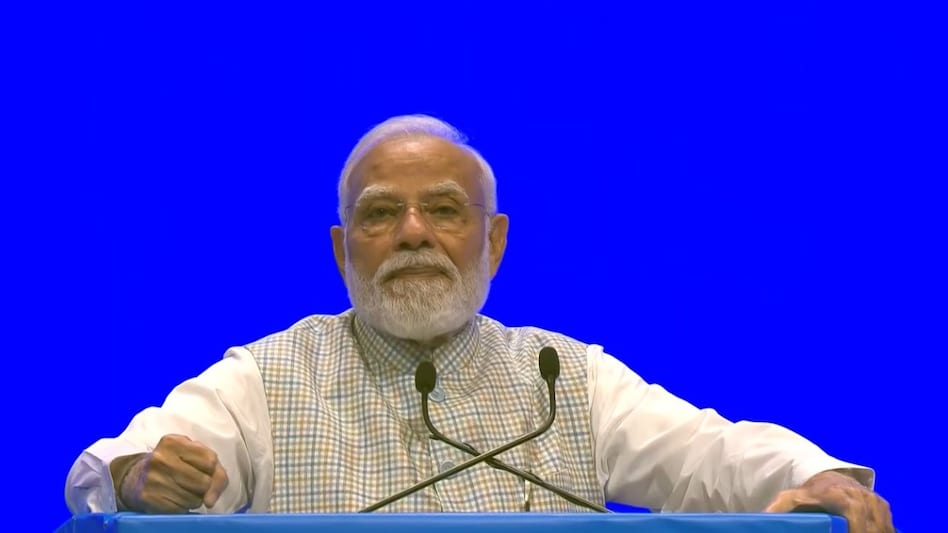
Users Raise Concerns Over Fading Colors in iPhone 18 Pro Models
The newly launched iPhone 18 Pro models are facing an unexpected challenge soon after their release. Reports from variou...
Business Today | Oct 08, 2026, 08:05
Concerns Raised Over Chinese Espionage Threats in AI Development
Jacob Coxon, a former employee of Anthropic, has expressed doubts about the effectiveness of slowing down artificial int...
Business Insider | Oct 08, 2026, 05:00India's Government Defends Satellite Regulations Amid Starlink Controversy
On October 8, the Indian government firmly refuted claims that its regulatory framework is hindering the operations of S...
Business Today | Oct 08, 2026, 05:20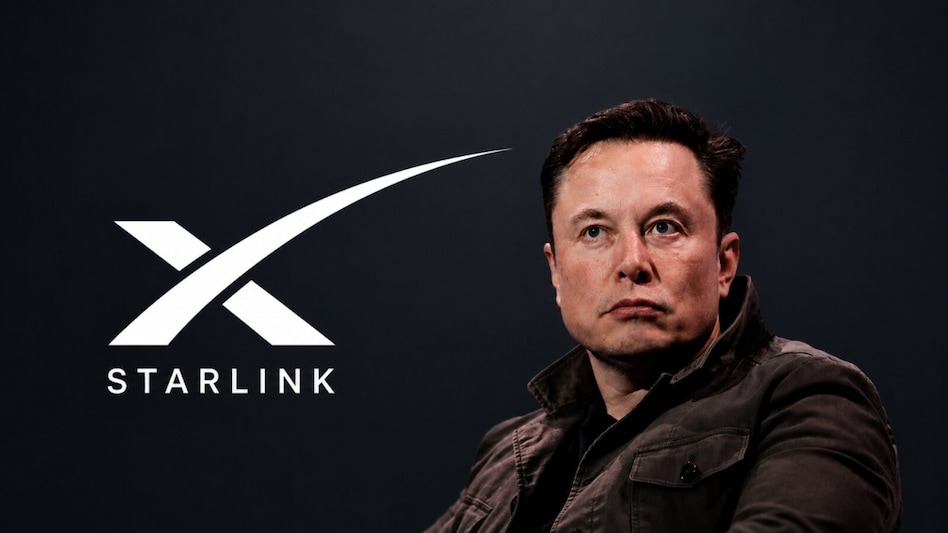
Jio Accelerates Satellite Broadband Plans Amid Starlink Controversy
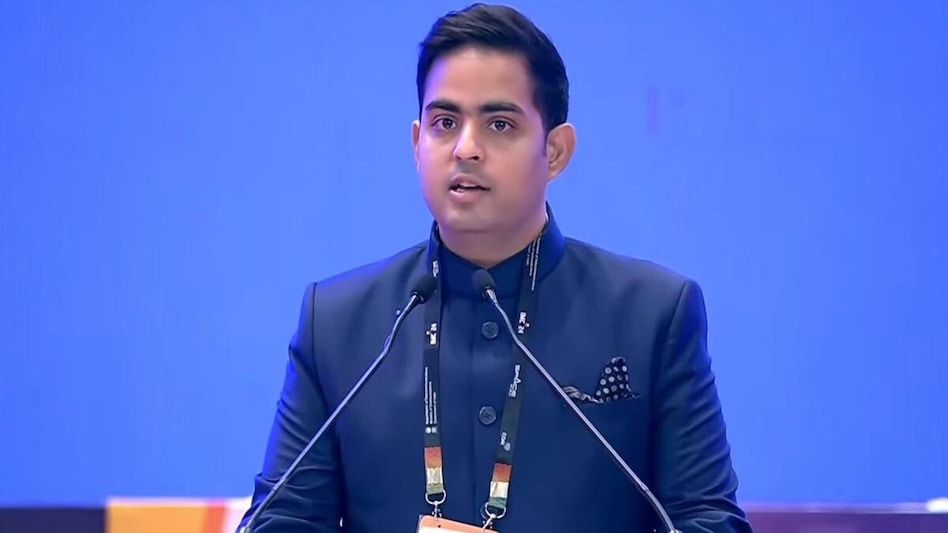
In the midst of rising tensions surrounding Elon Musk's Starlink operations in India, Reliance Jio's chairman Akash Amba...
Business Today | Oct 08, 2026, 08:35