
Who are AI browsers for?
This week, OpenAI introduced its AI-driven web browser, ChatGPT Atlas, prompting discussions about the future of traditional browsers like Safari. During a recent episode of the Equity podcast, hosts Max Zeff, Sean O’Kane, and I explored the evolving browser landscape, including some lesser-known alternatives, but it seems that a mass exodus from established browsers isn't on the horizon just yet. Sean pointed out that numerous companies have attempted to dethrone major browsers but have struggled to achieve profitability. Unlike these competitors, OpenAI is buoyed by substantial funding, giving it a unique advantage in the browser market. Max shared his experience with Atlas and other AI-enhanced browsers, noting only a “slight efficiency gain” at best. More often than not, users find themselves watching the AI navigate websites, raising the question: is that what everyday users truly desire? Moreover, concerns around security loom large. In our conversation, I mentioned my ongoing loyalty to Safari but expressed frustration with the dominance of AI-related content in search results. I pondered the implications of AI browsers for the future of the open web. While traditional web pages remain accessible, the rising influence of AI interfaces and chatbots could diminish the significance of individual websites. Max highlighted the intriguing notion of an 'agentic web' and the various attempts at shaping this future. However, he questioned the actual user experience and value proposition of these AI tools, noting they currently lack compelling reasons for the average consumer to engage. On the other hand, Sean admitted to not having tested any AI browsers, mainly due to his reliance on traditional search methods, which involve detailed document searches and familiar web pages. He suggested that he might consider trying AI browsers if Google were to eliminate Boolean search capabilities in the future. The conversation shifted to the challenges faced by companies trying to monetize browser technology. Historically, contenders have struggled against giants like Safari, Chrome, and Firefox, often finding it impossible to sustain a profitable browser product. Interestingly, OpenAI’s financial backing may allow it to explore this space without the immediate pressure of profitability, giving it the freedom to innovate and develop its browser over time.
Market Insights: AI Concerns, Rising Oil Prices, and Legislative Changes Shape Today's Trading Landscape
Good morning. As we dive into today's trading landscape, investors are facing a whirlwind of factors affecting the marke...
CNBC | Jul 23, 2026, 12:55
Uber Restructures Workforce Amid AI Integration, Laying Off 10% of Customer Support Staff
Uber has announced significant changes to its workforce, attributing the decision to advancements in artificial intellig...
Business Insider | Jul 23, 2026, 15:00WhatsApp Unveils Major Updates for iPad and CarPlay Integration
WhatsApp is introducing a series of significant upgrades across its platforms, particularly focusing on iPad, CarPlay, a...
Business Today | Jul 23, 2026, 08:10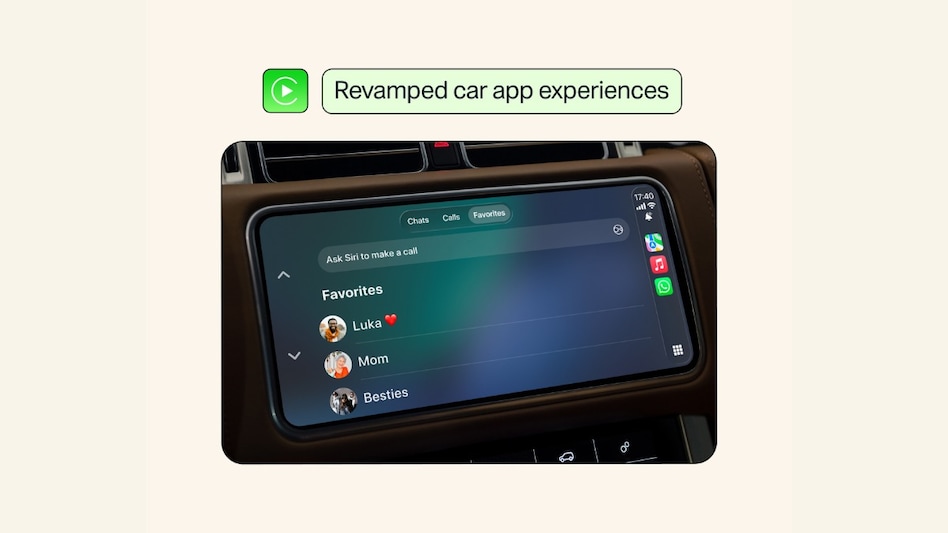
Elon Musk Embraces AI Risks for a Future of Abundance
In a thought-provoking interview with Zanny Minton Beddoes, the editor in chief of The Economist, Elon Musk shared his i...
Business Insider | Jul 23, 2026, 12:20Amazon Optimizes Alexa's AI Costs by Shifting from Anthropic Models
In a strategic move to cut expenses, Amazon has restructured the way its AI-powered voice assistant, Alexa, operates, re...
Business Insider | Jul 23, 2026, 09:05