How Gen Z can stand out in the job market in the world of AI: Focus on tasks, not titles
As Generation Z enters a job market transformed by the rise of artificial intelligence, they face unique challenges and opportunities. According to James Ransom, a research fellow at University College London, the labor landscape is changing rapidly, characterized by AI integration, hiring slowdowns, and cautious employers. While concerns about a looming jobs crisis are prevalent, Ransom emphasizes that the key to success isn’t chasing high-profile titles but understanding the nuances of job tasks and how to leverage AI in those roles. Ransom suggests that there is a short-term potential for increased productivity, urging young professionals to critically assess how they can utilize AI to enhance their work. He points out that embracing AI should involve a strategic approach rather than a blanket acceptance. It’s essential to identify where human oversight remains crucial, allowing workers to maximize their effectiveness. His insights build upon research from prestigious organizations like the IMF, OECD, and the World Bank, which have analyzed automation risks by dissecting jobs into specific tasks. Ransom highlights findings from an International Labour Organization report that indicates very few jobs can be fully automated, as they typically require some human input. This complexity is often overlooked when discussing job security in the era of AI. For instance, Ransom illustrates how a senior accountant position might have numerous tasks susceptible to automation, yet the critical task of team management and quality assurance remains solely human. Therefore, it’s vital for Gen Z to showcase their proficiency with AI technologies, as many organizations lack employees who fully grasp the capabilities and limitations of large language models (LLMs). Young workers are encouraged to demonstrate their impact through concrete results, whether that involves improved output, time savings, or accuracy. Ransom views this current phase of AI adoption as a fleeting opportunity before significant disruptions occur. Many companies are experimenting with AI to enhance productivity but may soon face challenges as automation becomes more prevalent. He likens this transition to the early days of ATMs, where banks initially expanded their workforce before downsizing as the technology took hold. Ransom anticipates that this cycle will similarly affect various industries and local labor markets at different rates. Despite examining the risks of automation, Ransom refrains from subscribing to extreme views about technology's future. He predicts that the 'human-in-the-loop' model—where human oversight is essential in guiding AI—will remain relevant for the next three to five years. To secure their positions, he advises young professionals to focus on areas where AI cannot replace human skills, such as interpersonal interactions, leadership, and problem-solving.
From Silicon Valley to Buenos Aires: A Startup Founder’s Journey to Family Life
Koby Conrad, the 32-year-old founder of Sunflower, an innovative AI tool designed to support sobriety, has made a life-c...
Business Insider | Jul 12, 2026, 08:55Reed Jobs Shifts Focus from Legacy to Life-Saving Innovations in Oncology
Reed Jobs is a refreshing presence in the biotechnology arena. With an engaging personality, he often uses humor and vid...
TechCrunch | Jul 12, 2026, 24:30
Apple Takes Legal Action Against OpenAI Over Alleged Data Breach by Ex-Employee
On July 10, Apple initiated a lawsuit against OpenAI, claiming that the company has profited from confidential informati...
Business Today | Jul 13, 2026, 05:45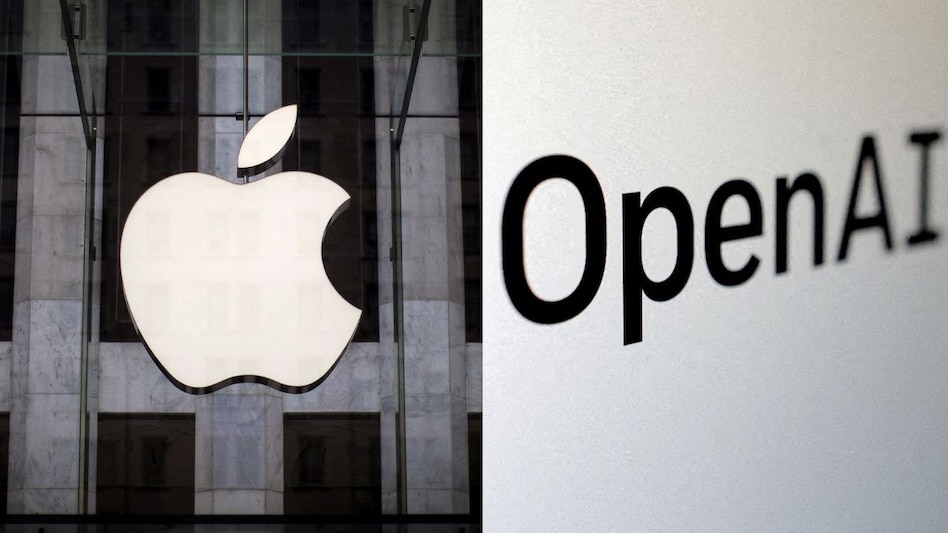
Elon Musk and Sam Altman: The Ongoing Rivalry Intensifies Over AI Claims
In a renewed clash between tech titans, OpenAI CEO Sam Altman has claimed that the latest version of ChatGPT, 5.6, is th...
Business Insider | Jul 12, 2026, 22:15The Legal Face-off: Apple Accuses OpenAI of Trade Secret Theft
In a dramatic turn of events reminiscent of a corporate thriller, Apple has filed a lawsuit against OpenAI, alleging tha...
Business Insider | Jul 11, 2026, 20:50