Why AI is making us lose our minds (and not in the way you’d think)
Artificial Intelligence is capturing the world's attention, with nearly 1 billion users engaging with OpenAI products in just two years. The tech industry has mastered a strategy: create compelling technology that captivates users, making it indispensable while figuring out how to monetize it later. The allure of AI lies in its ability to provide cognitive shortcuts on an unprecedented scale. However, this reliance on AI may lead to unforeseen consequences for many individuals. As AI becomes more integrated into daily tasks, users may find themselves relinquishing their cognitive capabilities. My own experience began in March 2023 when I first engaged with ChatGPT. Now, I rely on it daily, experiencing both enhanced productivity and a troubling sense of cognitive laziness. Initially, I meticulously reviewed AI-generated drafts, but now I find myself trusting its output more than I should, losing the drive to double-check its work. Previously, I assumed the workforce would split into two camps: those who embrace AI and those who resist it. However, I now realize that in just five years, the real distinction will be between those who actively manage AI and those who passively depend on it. Historically, humans have offloaded cognitive labor, from oral traditions to modern technology. Yet, AI's capabilities extend further, performing a wide range of cognitive tasks convincingly. This dependency on AI starts innocently enough. A simple request for an email draft quickly escalates to more complex tasks like strategic planning. As reliance grows, so does the risk of skill atrophy. Research from Microsoft and Carnegie Mellon highlights that generative AI can diminish critical thinking skills. Users who trust AI often become less likely to engage their own reasoning, leading to a dangerous reliance on technology for fact-checking. In the coming decade, the workforce will likely split into two groups: AI drivers and AI passengers. The passengers will willingly surrender their cognitive responsibilities, using AI as a shortcut to complete tasks faster. While this might yield immediate benefits, the long-term consequences could leave them undervalued and replaceable. In contrast, AI drivers will actively engage with technology, using it as a starting point while rigorously verifying its work and taking time for independent thought. To thrive in this AI-driven landscape, individuals must become the managers of their AI tools. With AI as a constant thought partner, the temptation to outsource decision-making will grow. Many will not realize how their cognitive abilities are diminishing until it’s too late. The crucial question isn’t whether you will use AI, but what kind of user you aspire to be: a proactive driver or a passive passenger. Embrace AI as a tool to enhance your thinking rather than a crutch that replaces it.
Meta Scraps AI Photo Editing Tool Amid User Outcry
In a swift response to user concerns, Meta has decided to eliminate a contentious feature that enabled alterations of ph...
TechCrunch | Jul 11, 2026, 24:05
Empowering Graduates: The Importance of Real-World Problem Solving in Education
As the job market evolves, the significance of applying academic knowledge to real-world challenges is becoming increasi...
Business Today | Jul 11, 2026, 13:00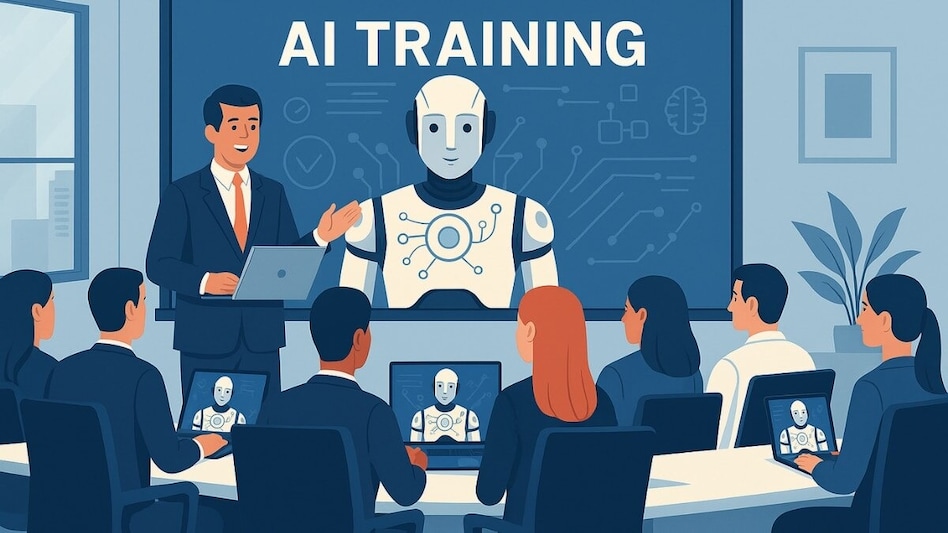
Apple Takes Legal Action Against OpenAI Over Recruitment Practices
In a significant development in the ongoing battle for AI talent, Apple has filed a lawsuit against OpenAI, accusing the...
Business Insider | Jul 10, 2026, 22:50The Impact of AI on Tech Hiring: A Shift Towards Engineering
The influence of artificial intelligence is significantly altering the landscape of hiring in the tech industry. Accordi...
Business Insider | Jul 11, 2026, 14:45Powering the AI Revolution: Why India's Future Lies in Energy Infrastructure
As the global race to establish artificial intelligence infrastructure intensifies, a surprising constraint has emerged—...
Business Today | Jul 11, 2026, 11:10