Where every US governor stands on AI and the data-center boom
As the midterm elections approach, the influence of artificial intelligence (AI) in American politics is becoming increasingly significant. The ongoing discourse surrounding AI encompasses crucial topics such as safety, regulation, and the environmental implications of expanding data centers. While tech giants advocate for rapid growth, local communities often express concerns regarding potential environmental impacts and rising energy costs. Voters are left pondering the extent of governmental oversight necessary for AI, alongside the degree of authority local communities should hold over the burgeoning data centers cropping up in their neighborhoods. Among the 39 gubernatorial races scheduled for November 3 across 36 states and three territories, a diverse array of responses to the AI boom can be observed from state leaders, 17 of whom are running for reelection this year. In California, Governor Gavin Newsom has shifted from a cautious stance to supporting robust AI safety measures, including an emergency 'kill switch' for AI systems. New York's Governor Kathy Hochul shares a similar vision, advocating for strict oversight and accountability for AI developers. Meanwhile, Republican Utah Governor Spencer Cox has called for comprehensive federal safety regulations on AI. Governors from both parties are exploring the economic potential of AI. For example, Alabama's Kay Ivey views AI as a tool to enhance government efficiency but insists on establishing necessary regulations. Alaska's Mike Dunleavy promotes the state as a potential AI hub, citing its cooler climate as advantageous for data center operations. Arizona's Katie Hobbs emphasizes preparing for AI's economic opportunities, having established the state's first AI steering committee. In contrast, some governors, like Florida's Ron DeSantis, advocate for protective measures rather than outright bans. DeSantis has proposed an AI Bill of Rights to safeguard consumer privacy and ensure responsible AI usage. Georgia's Brian Kemp is also keen on positioning his state as an AI infrastructure leader, actively engaging with tech companies to attract investments. As diverse as their approaches may be, one common theme emerges: the need for a balanced framework that enables innovation while safeguarding public interests. This election cycle presents a pivotal opportunity for voters to influence the trajectory of AI regulation and development, shaping a future that aligns with both technological advancement and community well-being.
Former OpenAI Engineer Granted Release on Bond Amid Espionage Allegations
Abdulrahman Alfozan, the ex-OpenAI engineer who was terminated and subsequently arrested last month, is poised to be rel...
Business Insider | Nov 24, 2026, 20:40Navigating the AI Job Landscape: Challenges and Opportunities Ahead
The landscape of employment is undergoing a significant transformation as artificial intelligence (AI) permeates various...
Business Insider | Nov 24, 2026, 22:40Yale Expert Warns Nvidia’s Leadership Changes Could Harm U.S. Tech Dominance
On Monday, the market's enthusiasm for Nvidia may have been misguided, according to Yale business scholar Jeffrey Sonnen...
TechCrunch | Nov 25, 2026, 24:35
Maple Secures $5.3 Million to Revolutionize Data Privacy in AI
As artificial intelligence becomes increasingly capable of accessing sensitive information such as files, emails, and ca...
TechCrunch | Nov 24, 2026, 21:30
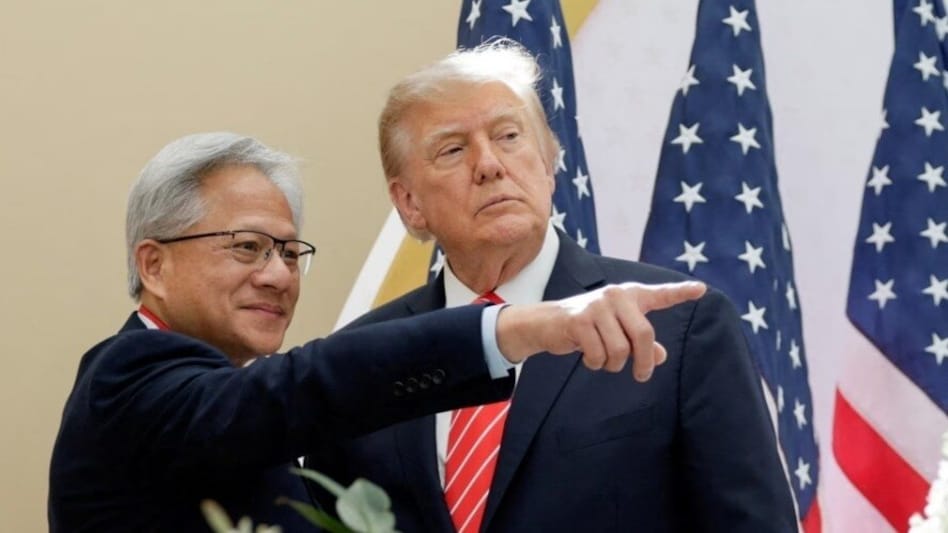
Trump Open to Pardon for Nvidia's Huang Amid Controversies
As Nvidia’s CEO Jensen Huang faces intense scrutiny from Congress regarding alleged ties to China and possible export co...
Business Today | Nov 25, 2026, 02:40