Upskill us, don't spy on us: AI rollout fuels surveillance fears in India Inc
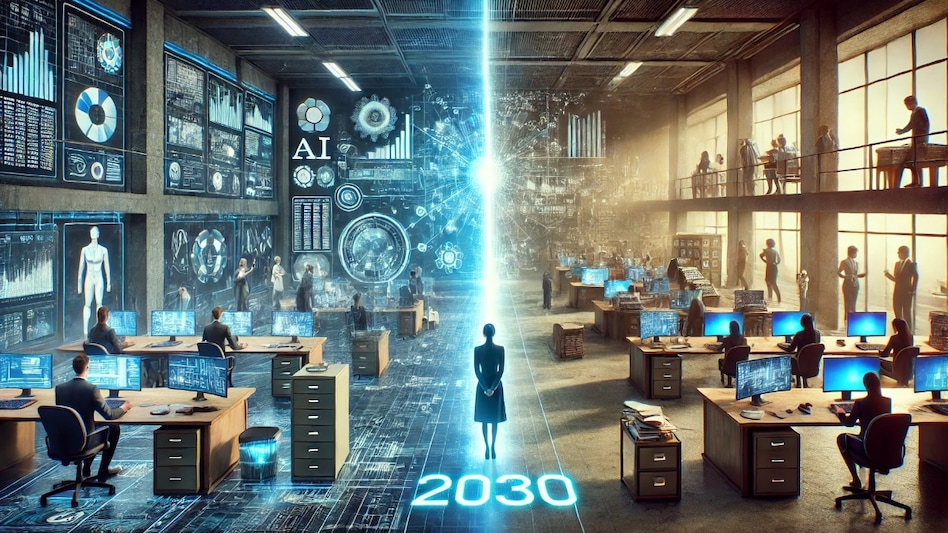
As Indian companies rapidly adopt artificial intelligence in the workplace, a stark contrast emerges between employee enthusiasm for AI and their apprehensions about surveillance. Insights from Mercer's Global Talent Trends 2026 report reveal a complex landscape where optimism about technological advancements is met with deep-seated concerns regarding trust and oversight. A significant 79% of employees express confidence that their organizations will equip them with necessary skills as roles evolve due to AI. However, the fear of being monitored is palpable, with 75% of employees worried about AI being misused for workplace surveillance, a sentiment that surpasses the global average. Despite these concerns, the momentum for AI integration is undeniable. Over half (54%) of C-suite executives in India anticipate that AI will drive substantial transformation and innovation in the next two years, outpacing their global counterparts. HR leaders are gearing up for this change, with 66% planning to modify work structures to better blend human and machine capabilities. Employees have voiced clear preferences for how AI should assist them—69% believe its primary role should be to identify upskilling opportunities. This highlights a desire for AI to serve as a facilitator of growth rather than a tool for oversight. The shift toward a skills-based workforce is gaining traction, with 74% of Indian leaders identifying it as a top priority, even as talent shortages loom less prominently at 42%. Nevertheless, employees feel the pressure of this transition. A notable 54% express anxiety over the relevance of their skills, while 57% seek higher pay for in-demand abilities, reinforcing the connection between skills and compensation. Organizations are taking steps to bridge this gap, with 57% of HR leaders planning to rectify pay disparities between newly hired and existing workers, and 36% investing in flexible work arrangements to enhance employee experience. Yet, another contradiction persists: while 74% of Indian employees prioritize purpose in their work, financial compensation remains the primary driver for job changes. Over half (54%) are willing to leave for better pay, and 44% feel they are undercompensated. This tension between purpose and financial reward compels organizations to reevaluate how they communicate their values and compensation structures. Arpita Chakraborty, Director of Work, Skills & Talent at Mercer, points out that despite ambitious changes by corporate leaders, only 45% of employees feel their feedback is impactful. This disconnect underscores the need for leaders to combine AI expertise with transparency and accountability to foster trust. Mansee Singhal, Career Leader at Mercer, emphasizes the potential of India's young workforce and their readiness for organizational change, suggesting that companies must leverage AI's capabilities while prioritizing employee trust and well-being. With purpose highly valued yet financial concerns driving attrition, the path to success lies in harmonizing these elements to amplify organizational purpose while ensuring fair compensation and performance outcomes.
Nvidia's Jensen Huang Set to Face Senate Committee Amid Controversy
Jensen Huang, the CEO of Nvidia, is slated to appear before the Senate Banking Committee on December 3. This announcemen...
TechCrunch | Nov 23, 2026, 18:35
Nvidia's Boardroom Turmoil: A Cautionary Tale of Corporate Governance
Nvidia finds itself in the eye of a corporate storm following a dramatic boardroom shakeup that saw CEO Jensen Huang bri...
CNN | Nov 23, 2026, 18:35
Revolutionizing Cybersecurity: AI's Role in Modern Threat Detection and Defense
As businesses increasingly embrace digital transformation and artificial intelligence, the complexity of cybersecurity t...
Business Today | Nov 24, 2026, 08:30
Nvidia's CEO Return Reshapes AI Landscape, Puts Anthropic on Edge
The return of Jensen Huang as CEO of Nvidia has sent ripples through the AI market, causing most AI stocks to rally, yet...
Business Insider | Nov 23, 2026, 18:25Nvidia's Stunning Leadership Shift: Jensen Huang Returns as CEO Amid Employee Support
In a surprising turn of events, Jensen Huang has been reinstated as CEO of Nvidia, just under two weeks after being oust...
Business Insider | Nov 23, 2026, 17:30