
How AI startups should be thinking about product-market fit
In the dynamic landscape of artificial intelligence, startups are confronted with a fundamental question: How can they determine if they have achieved the coveted product-market fit? This concept, which has been the focus of extensive research and numerous publications, is evolving rapidly in the wake of AI advancements. Ann Bordetsky, a partner at New Enterprise Associates, shared her insights with an enthusiastic audience at TechCrunch Disrupt in San Francisco. She emphasized that the game has fundamentally changed, stating, "Honestly, it just could not be more different from all the playbooks that we’ve all been taught in tech in the past." This shift is primarily driven by the fast-paced evolution of AI technology. To assess product-market fit, founders should monitor key indicators such as "durability of spend," according to Murali Joshi, a partner at Iconiq. He pointed out that many companies are still in the experimental phase of AI adoption, with budgets primarily allocated for exploration rather than integration. Joshi noted a significant trend, saying, "Increasingly, we’re seeing people really shift away from just experimental AI budgets to core office of the CXO budgets." This transition is crucial for validating whether an AI solution is a long-term asset or merely a temporary experiment. Bordetsky and Joshi also advised startups to track classic engagement metrics, such as daily, weekly, and monthly active users. Understanding how often customers interact with their product is vital. Bordetsky added that qualitative insights gained from customer interviews can provide depth to the quantitative data, helping to clarify customer loyalty. Moreover, Joshi suggested that startups engage with executives to understand how their product fits within the existing tech stack, thereby enhancing its relevance and integration into core workflows. Finally, Bordetsky underscored the importance of viewing product-market fit as an ongoing journey rather than a one-time achievement. "It’s learning to think about how you maybe start with a little bit of product-market fit in your space, but then really strengthen that over time," she explained, highlighting the necessity for continuous adaptation and improvement in the AI startup ecosystem.
Why the iPhone 17 is the Smart Choice Ahead of the iPhone 18 Launch
As Apple gears up for the release of its latest iPhone models, including the iPhone 18 Pro and the first foldable varian...
Business Today | Jul 24, 2026, 09:35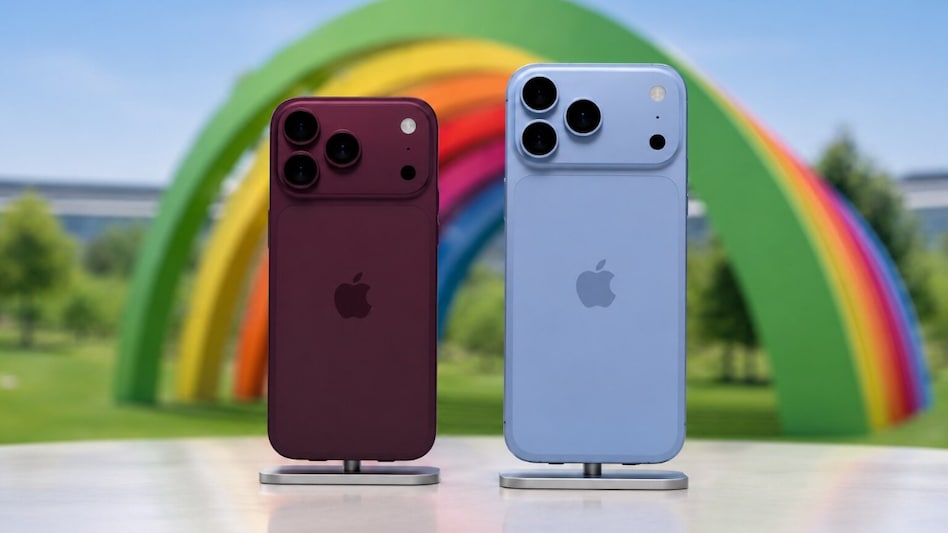
Elon Musk Reflects on the Unexpected Acceleration of AI Development
Elon Musk has expressed that his initial efforts to curb the concentration of artificial intelligence power may have ina...
Business Insider | Jul 24, 2026, 04:15China's Memory Chip Giant CXMT Set to Challenge Market Dynamics with Major IPO
ChangXin Memory Technologies (CXMT), China's leading memory chip manufacturer, is preparing for a significant public lis...
CNBC | Jul 24, 2026, 02:15
India Takes Action Against Jack Dorsey's Bitchat App Amid Protests
In a significant move, India's cybercrime agency, the Indian Cyber Crime Coordination Centre (I4C), has mandated GitHub ...
Business Today | Jul 24, 2026, 10:25
Global Leaders Unite to Promote Secure Open-Source AI at APEC Summit
In a significant development at the recent APEC summit in Chengdu, China, member nations, including the United States, e...
CNBC | Jul 24, 2026, 02:45