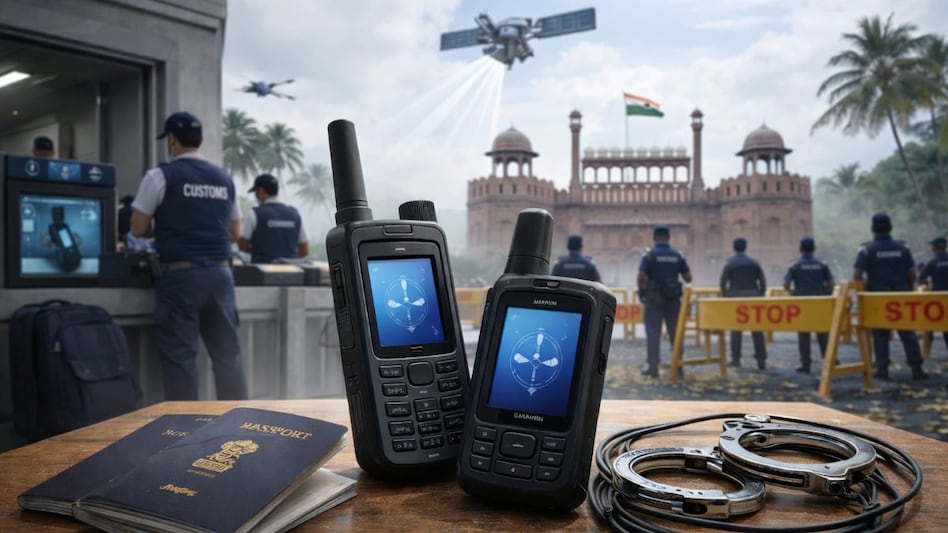
Satellite phones in India: Not banned, but tightly regulated, here’s what you need to know
In India, the use of satellite phones is not outright banned, yet operating one without proper authorization can lead to significant legal consequences. These devices, capable of functioning in remote locations such as the ocean or the Himalayas, are part of a heavily regulated sector of the country's telecommunications system, primarily due to national security concerns and the need for monitoring communication outside traditional networks. According to the Telecommunications Act of 2023, individuals must secure approval in the form of a license or a No Objection Certificate (NOC) from the Department of Telecommunications (DoT) to use satellite phones legally. While satellite connectivity through Bharat Sanchar Nigam Limited (BSNL) partnered with Inmarsat is allowed under stringent conditions, other global providers like Thuraya and Iridium remain unauthorized for use in India. Any satellite phone brought into the country must be declared at customs, accompanied by the necessary permissions, or it risks being confiscated, leading to fines or arrest. Warnings have been issued by various foreign governments, including the U.S., advising travelers against carrying such devices without proper clearance. The stringent regulations surrounding satellite phones are largely driven by security considerations. These phones can operate independently of terrestrial telecom networks, creating a significant gap in monitoring capabilities for law enforcement agencies, especially in sensitive areas like Jammu and Kashmir. This regulatory approach intensified following the 2008 Mumbai terror attacks, during which terrorists coordinated using Thuraya satellite phones. In a recent investigation into the Pahalgam terror attacks, Indian security forces examined the suspected use of a Huawei smartphone equipped with satellite communication features. Huawei, a Chinese company prohibited from operating in India, produces devices such as the Mate 60 Pro and P60 series that exclusively connect to China’s Tiantong-1 satellite network, which is managed by China Telecom. These devices, designed for emergency communication, provide limited voice and text services even in regions devoid of cellular coverage. Satellite phones differ significantly from regular smartphones. Unlike smartphones that rely on cell towers, satellite phones establish direct connections to orbiting satellites, ensuring functionality in remote areas like mountains and oceans. Some hybrid devices do exist, like the Thuraya X5-Touch, which offer both satellite and cellular connectivity, but their use remains restricted in India unless specifically authorized. Major global satellite service providers include Iridium, Inmarsat, Thuraya, and Globalstar, each offering various coverage options worldwide.
Supertake Secures $20 Million to Revolutionize AI-Driven Investment Portfolios
Supertake, an innovative AI investing startup, is on a mission to transform how individuals engage with the stock market...
TechCrunch | Nov 23, 2026, 22:10
Tidal Takes Bold Step Against AI Music Flood, Set to Remove Millions of Tracks
In a decisive move to combat the overwhelming influx of AI-generated music, Tidal announced on Tuesday its plans to ban ...
TechCrunch | Nov 24, 2026, 17:10
Investing in the Future: Solar and Battery Solutions for AI Data Centers
The challenge of powering AI data centers has emerged as a pivotal issue in the current technological landscape. Over th...
TechCrunch | Nov 24, 2026, 16:25
Figma Engineer Files Lawsuit Claiming Workplace Harassment and Retaliation
A former engineer at Figma has initiated legal action against the design software firm and its CEO, Dylan Field, citing ...
TechCrunch | Nov 23, 2026, 23:15
Emerging AI Chip Design Revolution: A Challenge to Nvidia's Reign
Nvidia, under the leadership of Jensen Huang, faces a significant challenge from the very AI technology it helped to pop...
Business Insider | Nov 24, 2026, 10:10