I was using Anthropic's Fable when it disappeared mid-project. It taught me a lesson about AI and business.
In the fast-paced realm of AI, having a contingency plan is crucial. After losing my job at eBay, I embarked on a new venture that now involves managing 27 AI agents, while I still handle key human tasks myself. We successfully developed and sold an app for $4 million without leaving our tech roles, showcasing how AI empowered us to balance our commitments. My journey began earlier this year with the launch of a web design business and a complementary software solution aimed at helping companies manage waste. Operating alongside my partner, we rely on contractors for certain tasks, but AI tools have become indispensable to our small team. Recently, I was excited to test Anthropic's Fable model, inspired by its capabilities highlighted online. Unfortunately, just hours into my trial, the US government mandated that Anthropic restrict foreign access to Fable, leaving me abruptly without the tool I needed. Despite this setback, my prior preparations allowed me to minimize disruption. This incident reinforced an important lesson: as a founder, one must not overly depend on AI and should always have a backup plan for unexpected events. I find OpenAI's Codex useful for repetitive coding tasks and Claude for design-related functions. AI has remarkably transformed our code architecture within a single day, a task that would traditionally require weeks of manual effort. However, the abrupt termination of Fable's services was a disappointment, as I had intended to use it for an essential product safety review. This isn't the first time we've faced challenges with AI tools. Previously, while using Opus 4.6, we encountered sudden interruptions due to its token limits, leading to disarray in our codebase. Learning from that experience, we were better equipped this time. When we began the product review, I instructed Fable to develop a guide for other AI models, enabling us to reassign tasks seamlessly after losing access to Fable. Though the shutdown of Fable didn't severely hinder our progress due to our preparedness, it did slow our momentum at a critical time. As we work against deadlines, even minor delays can have significant repercussions. This incident has solidified my belief that complete reliance on AI is unwise. If access to AI tools were entirely cut off, our business would remain intact, but we would face increased costs and challenges, reverting to traditional hiring practices. In this age of AI, it's vital to have a Plan B, understand the strengths of various models, and maintain thorough documentation outside of AI systems. A White House spokesperson indicated that the administration is collaborating with AI leaders to ensure a balance between innovation and national security. Anthropic has not yet responded to inquiries regarding the Fable situation. If you have experienced similar challenges in the AI landscape, consider sharing your story with us.
Trump Claims Role in Jensen Huang's Return as Nvidia CEO Amid Security Concerns
On Monday, former President Donald Trump asserted that he played a pivotal role in convincing Nvidia's board to reinstat...
Business Today | Nov 23, 2026, 17:05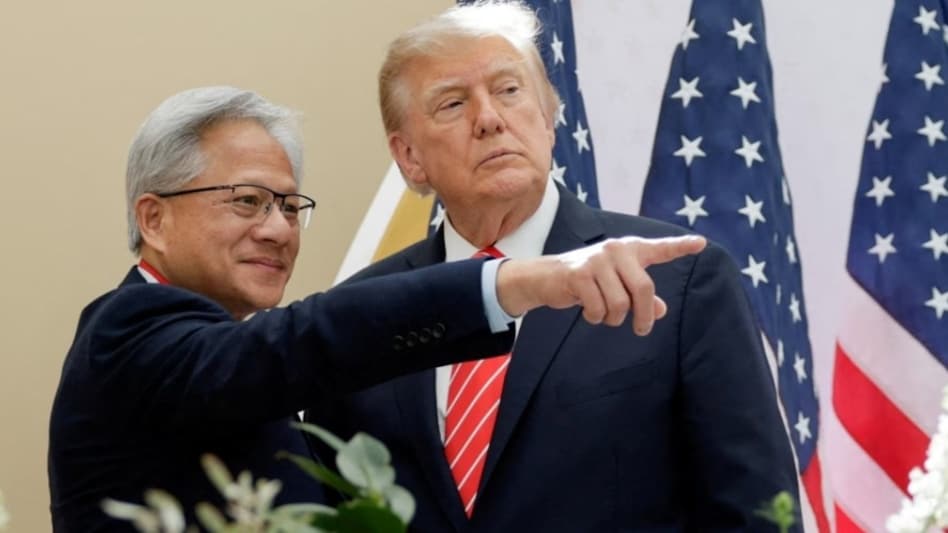
Megaspeed Faces U.S. Blacklisting Amid Espionage Allegations
Megaspeed, a company formerly led by Alice Huang, is reportedly set to be added to the U.S. Commerce Department's Entity...
TechCrunch | Nov 23, 2026, 21:45
Nvidia's CEO Return Sparks Controversy Amid National Security Concerns
In a surprising turn of events, Jensen Huang has resumed his role as CEO of Nvidia, just days after stepping down due to...
TechCrunch | Nov 23, 2026, 17:30
Nvidia's CEO Return Reshapes AI Landscape, Puts Anthropic on Edge
The return of Jensen Huang as CEO of Nvidia has sent ripples through the AI market, causing most AI stocks to rally, yet...
Business Insider | Nov 23, 2026, 18:25Saudi Engineer Faces Legal Battle Over Alleged Espionage Using AI Tech
A Saudi engineer employed by OpenAI, Abdulrahman Alfozan, is at the center of a legal dispute as prosecutors allege he u...
Business Insider | Nov 23, 2026, 23:50