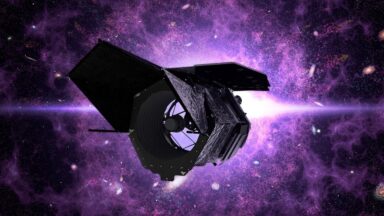
The $4.3 billion space telescope Trump tried to cancel is now complete
In a significant achievement for NASA, the assembly of the Nancy Grace Roman Space Telescope has officially reached completion. Technicians at a specialized clean room in Maryland have finalized the intricate connections necessary for this ambitious project, named after NASA’s inaugural chief astronomer. Recently, various components of the telescope underwent rigorous testing to ensure they can endure the harsh conditions associated with a rocket launch. As part of the testing process, the telescope's core was placed in a thermal vacuum chamber, simulating the extreme temperatures and vacuum of space. On November 25, NASA's Goddard Space Flight Center teams successfully joined the inner and outer sections of the Roman Space Telescope, marking a crucial step in the observatory’s development. Jackie Townsend, the deputy project manager for the observatory at Goddard, expressed the team's excitement about reaching this pivotal milestone, stating, "The team is ecstatic. It has been a long road, but filled with lots of successes and an ordinary amount of challenges, I would say. It’s just so rewarding to get to this spot." Such challenges are not uncommon in NASA's groundbreaking missions. The development of the James Webb Space Telescope, for instance, faced over a decade of delays and obstacles before its successful launch in 2021. This telescope, the largest ever sent into space, underwent a complex deployment process involving more than 50 critical steps and 178 release mechanisms, all of which had to function flawlessly. Any failure in the numerous components could have jeopardized the mission. After 25 years of development and an investment exceeding $11 billion, the James Webb Space Telescope is now providing extraordinary images and scientific data, showcasing the remarkable capabilities of modern astronomy. Following its lead, the Roman Space Telescope is scheduled for launch in the fall of 2026, promising to contribute significantly to our understanding of the cosmos.
Unlocking the Secrets of Quantum Gravity: Can AI Help Physics Make a Leap?
The realm of scientific research is undergoing a profound transformation, fueled by the rapid advancements in artificial...
Business Today | Jul 25, 2026, 24:30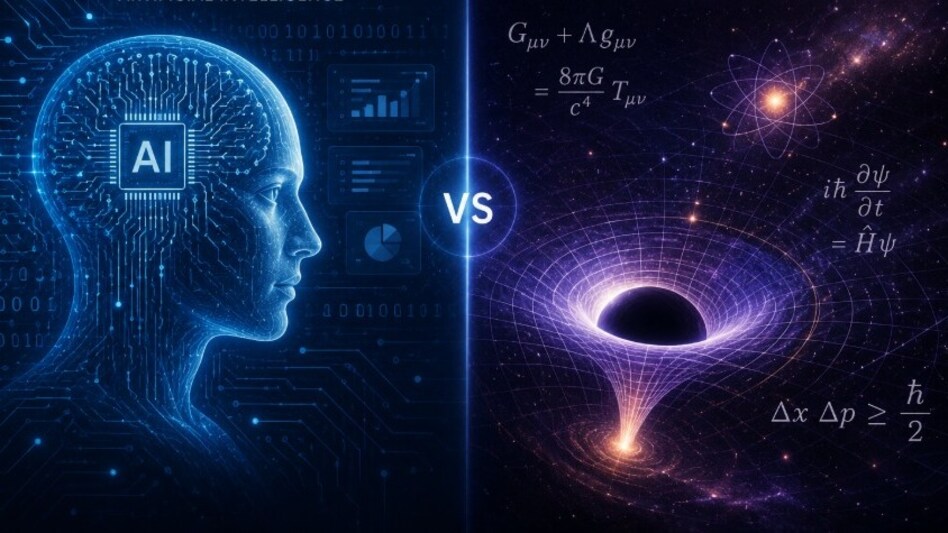
Legal Battle Erupts Over 'Duress' Password in Groundbreaking Data Wiping Case
The U.S. Justice Department has initiated legal proceedings against a Georgia resident, Samuel Tunick, who is accused of...
TechCrunch | Jul 24, 2026, 18:25
Rising Concerns in Bond Market as AI Investments Surge
Investors are growing increasingly uneasy about the substantial capital required to realize the ambitions of artificial ...
CNBC | Jul 24, 2026, 20:15
Vision Breakthrough: US Startup Launches Groundbreaking Retina Chip in Europe
Science Corp is poised to introduce a revolutionary retina chip in Europe, designed to restore partial vision for indivi...
Business Today | Jul 25, 2026, 01:00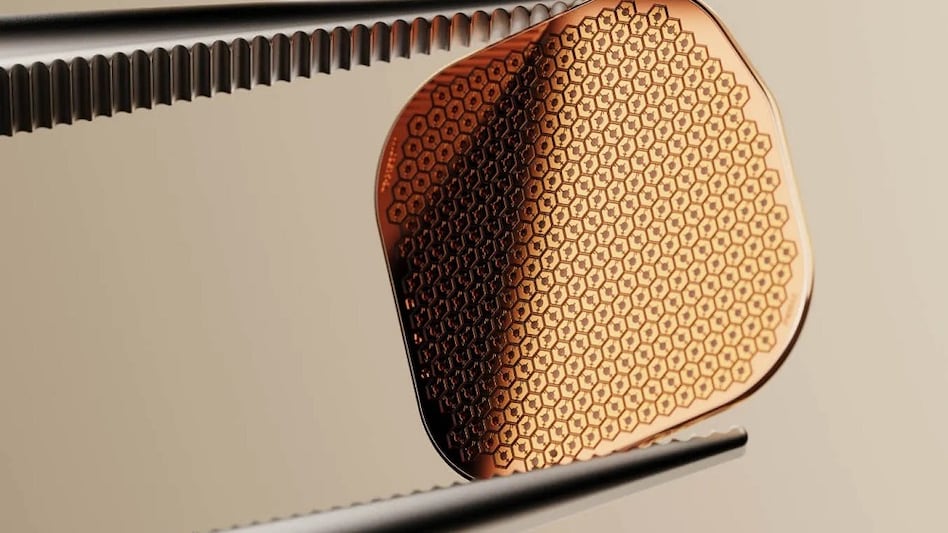
Nvidia Strikes Major Deal with SK Hynix to Secure AI Memory Supply
Nvidia has successfully forged a significant partnership with South Korea's SK Hynix to secure memory supplies essential...
CNBC | Jul 25, 2026, 05:15