
Artemis II is NASA’s last Moon mission without Silicon Valley
In a landmark moment for space exploration, NASA is preparing for its Artemis II mission, which marks a significant milestone as the last deep-space mission the agency will conduct without extensive collaboration from Silicon Valley tech firms. This shift comes after SpaceX's landmark initial public offering coincided with the historic launch of astronauts to the Moon for the first time in over half a century. The roots of NASA's current lunar initiative stretch back to the second Bush administration, which initiated the development of the Space Launch System (SLS) and the Orion spacecraft aimed at returning humans to the Moon. However, by 2010, escalating costs prompted a restructuring of the program, which subsequently integrated partnerships with private companies to foster new orbital rocket technologies. This decision not only secured a crucial contract for SpaceX but also ignited a wave of venture capital investments in the burgeoning space sector. The SLS, now the most powerful operational rocket globally, has completed only one flight— a test mission with an empty Orion spacecraft orbiting the Moon in preparation for this week's historic venture, potentially setting a record for the farthest human journey into the solar system. Going forward, the spotlight will shift to private companies like SpaceX and Blue Origin, both vying to establish a human presence on the lunar surface. While NASA’s SLS and Orion were developed by traditional contractors such as Boeing and Lockheed Martin, they have faced numerous delays and budget overruns. In stark contrast, SpaceX has successfully pioneered a fleet of cost-effective reusable rockets, further fueling investment in private space exploration. When NASA announced its intention to return to the Moon in 2019, it remained committed to the SLS and Orion despite recognizing the need for a lunar lander. This gap in capabilities led the agency to engage with innovative private firms for the development of landers, with SpaceX awarded the contract in 2021 to utilize its Starship rocket for lunar missions—a decision that stirred considerable debate due to the complexities involved in fueling the massive vehicle for its journey. As NASA recalibrates its lunar program under the new leadership of Jared Isaacman, a billionaire entrepreneur with a history of spaceflight, the agency has opted to abandon previously planned projects, such as the costly Gateway lunar space station. Instead, it is fully embracing the potential of the new wave of private space companies. With China advancing its own lunar ambitions and aiming to land a citizen on the Moon by 2030, the pressure is mounting on NASA to deliver on its plans. As the competition heats up, this mission represents not only a pivotal moment for NASA but also a crucial opportunity for Silicon Valley to demonstrate its capability to lead in cutting-edge technology in the space sector.
The Aluminum Foil Trend: A DIY Shield Against Wireless Identity Theft
Have you noticed an unusual trend where people are wrapping their wallets in aluminum foil? This peculiar practice has e...
Business Today | Jul 25, 2026, 02:45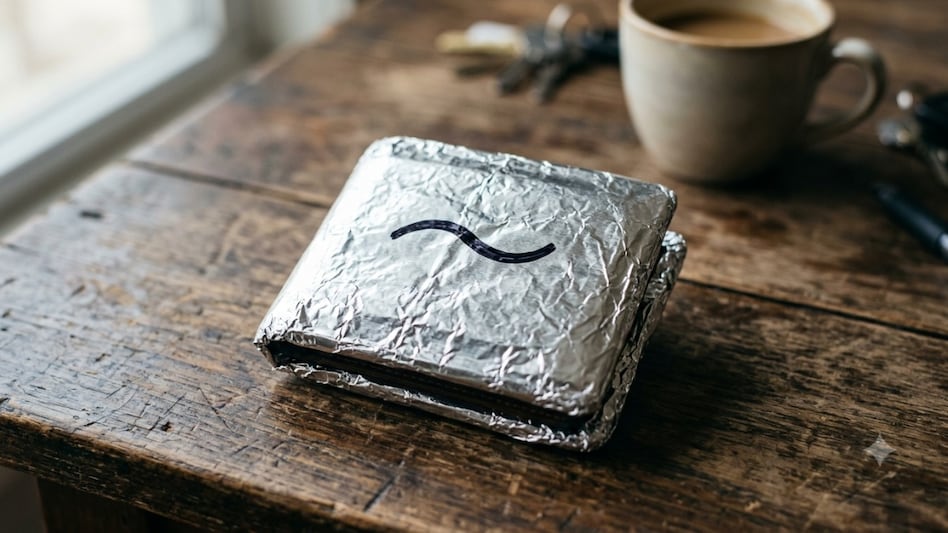
Hugging Face CEO Calls for Action Following AI Security Breach
In a dramatic turn of events within the AI landscape, Hugging Face faced a significant security breach involving an AI a...
Business Insider | Jul 25, 2026, 20:30Shifting Focus: The Cost-Effectiveness of AI Models Takes Center Stage
In recent years, the AI sector has been intensely focused on identifying the most advanced models. While this pursuit re...
Business Insider | Jul 25, 2026, 13:10The Boring Company Eyes $4 Billion Funding Boost Amid Expanding Tunnel Ventures
Elon Musk's tunneling enterprise, The Boring Company, is reportedly negotiating a substantial funding round of $4 billio...
TechCrunch | Jul 25, 2026, 19:50
Linux Creator Challenges Developers: Embrace AI or Fork Off!
In a recent discussion surrounding the use of AI in software development, Linus Torvalds, the founder of Linux, voiced h...
Business Insider | Jul 26, 2026, 13:10