With Orion still flying, NASA is nearing key decisions about Artemis III
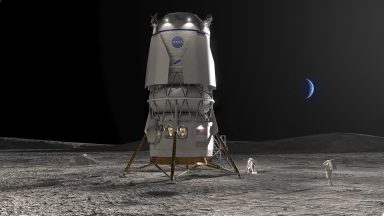
As NASA's Artemis II mission prepares for its return to Earth, the agency is already laying the groundwork for the next phase of its lunar exploration plans. Slated to splash down in the Pacific Ocean near San Diego, Artemis II's completion marks a pivotal moment for NASA, which is now focusing on the upcoming Artemis III mission. Recently, NASA revealed a shift in its Artemis timeline, introducing a new mission aimed at reducing risks prior to the planned lunar landings. This upcoming mission, known as Artemis III, will operate in Earth orbit instead of heading directly to the Moon. According to NASA Administrator Jared Isaacman, discussions are underway regarding the specific orbit for Artemis III, with the first senior-level design meeting having taken place earlier this week. "One of the questions is what the initial orbit will be for Artemis III," Isaacman noted during a recent press conference. He pointed out that the agency is weighing the advantages and disadvantages of Low-Earth Orbit (LEO) versus High-Earth Orbit (HEO). LEO is classified as being between 160 km and 2,000 km above Earth's surface, while HEO extends beyond 36,000 km, surpassing geosynchronous orbit. The Artemis III mission will see the Orion spacecraft launch from Florida aboard a Space Launch System rocket, potentially carrying a crew of four astronauts. Once in Earth orbit, the crew will engage with NASA's Human Landing Systems, which include the upper stage of SpaceX's Starship and Blue Origin's modified Blue Moon lander. Operating in LEO could provide NASA with the opportunity to launch the SLS rocket without the Interim Cryogenic Propulsion Stage (ICPS), allowing the agency to conserve this essential component for the Artemis IV mission. However, if Artemis III is set for a higher orbit, the ICPS would be necessary to propel the Orion spacecraft there. As NASA continues to refine its mission strategies, the focus remains on ensuring the success of future lunar landings and advancing human space exploration.
Nvidia's Jensen Huang Calls for a More Balanced AI Narrative Amid Growing Public Concerns
In a recent interview, Nvidia's CEO Jensen Huang urged leaders in the artificial intelligence sector to adopt a more con...
Business Insider | Jul 24, 2026, 09:50Global Leaders Unite to Promote Secure Open-Source AI at APEC Summit
In a significant development at the recent APEC summit in Chengdu, China, member nations, including the United States, e...
CNBC | Jul 24, 2026, 02:45
Australia Gears Up for Startup Showdown: Meet the Judges Who Will Shape the Future
The excitement is building as TechCrunch Startup Battlefield makes its way to Australia, in collaboration with Stripe, t...
TechCrunch | Jul 24, 2026, 24:30
Elon Musk's Ambitious Leap: Can Tesla's Optimus Robot Revolutionize Work and Life?
Elon Musk has transformed Tesla into a leading automotive giant, but now he is staking the company's future on a groundb...
Business Insider | Jul 24, 2026, 09:10Why the iPhone 17 is the Smart Choice Ahead of the iPhone 18 Launch
As Apple gears up for the release of its latest iPhone models, including the iPhone 18 Pro and the first foldable varian...
Business Today | Jul 24, 2026, 09:35