Here is NASA’s plan for nuking Gateway and sending it to Mars
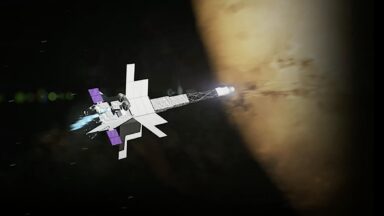
In a recent announcement, NASA revealed a strategic pivot away from its lunar space station project to concentrate on establishing a surface base on the Moon. This decision aligns with the broader trends observed in the space policy under the Trump administration and has raised questions about the future of existing hardware intended for the Gateway outpost. Since the inception of the Gateway program in 2019, NASA has invested nearly $4.5 billion in developing a human-tended complex orbiting the Moon. Currently, various components of the station are in various stages of construction and testing across multiple global locations. The Power and Propulsion Element, a key component of the Gateway, is nearing readiness for launch. During an extensive event at NASA headquarters in Washington, the agency unveiled its revised exploration roadmap. A significant highlight is the plan to repurpose the core module for a nuclear-electric propulsion demonstration in deep space, marking a new chapter in NASA's exploration efforts. This is not the first time NASA has explored nuclear propulsion; over two decades ago, the agency initiated Project Prometheus, a nuclear-electric propulsion program that was ultimately scrapped. More recently, in 2021, NASA collaborated with DARPA to develop the DRACO nuclear rocket engine, which was also canceled last year. Despite the substantial investments made in nuclear technology for space exploration, the results have often fallen short of expectations. The advantages of nuclear power in space missions are compelling. It allows for more ambitious robotic missions into the deeper reaches of the Solar System, where sunlight is insufficient for solar power. Additionally, nuclear reactors on the Moon could support habitats and robotics during the prolonged lunar night that lasts about two weeks. Nuclear-powered rocket engines come in two main types: nuclear-thermal, which provides higher thrust by heating chemical rocket fuel with a reactor, and nuclear-electric, which offers greater efficiency but lower thrust. NASA's latest nuclear mission is set to utilize the latter, promising a new frontier in space propulsion technology.
Luxury Meets AI: Inside Vertu's Premium Smartphone Experience
In the competitive landscape of smartphones, artificial intelligence has emerged as a key selling point. However, Vertu,...
TechCrunch | Jul 17, 2026, 23:25
Reimagining Data Centers: Building Community Connections Through Innovative Design
In the heart of a California desert oasis, a groundbreaking initiative is changing the perception of data centers. A new...
Business Insider | Jul 18, 2026, 08:25TikTok Returns to Federal Devices as Ownership Changes Hands
In a surprising turn of events, federal employees are now permitted to download TikTok on their government-issued device...
TechCrunch | Jul 18, 2026, 16:10
Big Tech's Capital Expenditure Surge: Inflation or Genuine Growth?
The much-anticipated earnings season for major tech companies is set to kick off next week, with Google leading the char...
Business Insider | Jul 18, 2026, 14:05Final Call for Australian Startups: Seize Your Chance at Stripe x Startup Battlefield
Time is running out for aspiring Australian entrepreneurs! In just 48 hours, the opportunity to showcase your startup at...
TechCrunch | Jul 17, 2026, 23:25