Wary of picking just one, NASA nears important decision on a lunar rover selection
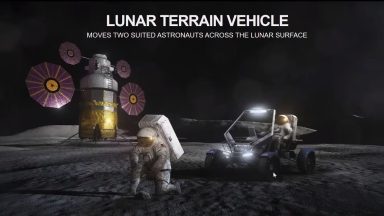
As NASA prepares for its upcoming lunar missions, the agency is on the verge of selecting a lunar rover to accompany the second team of astronauts to the Moon later this decade. The decision, however, is complicated by concerns from government officials who advocate for a backup plan to enhance the program's reliability. The focus is on NASA's Lunar Terrain Vehicle (LTV) contract. Back in April 2024, the agency allocated tens of millions of dollars to three companies—Intuitive Machines, Lunar Outpost, and Astrolab—to work on initial designs for rover prototypes. The plan was to narrow the choice down to one contractor responsible for building and maintaining one or more rovers that would operate on the lunar surface for a decade starting in 2029. The total potential value of this fixed-price contract could reach up to $4.6 billion. These companies have since completed their prototype designs and submitted final proposals for the extensive services contract in August. Sources indicate that NASA is ready to make a final decision by the end of the month. However, the agency's budget constraints mean it can only support one company's proposal, effectively leaving two additional rovers without funding, which might hinder competition and innovation. The stakes are high, especially following the recent withdrawal of Collins, one of NASA's spacesuit providers, leaving Axiom Space as the sole manufacturer for lunar suits. This situation recalls past concerns from the Commercial Crew Program, where NASA nearly allocated all its funding to Boeing, resulting in significant delays in crewed spacecraft delivery. A NASA official emphasized the risks of relying on a single contractor, stating, "We have seen, over and over again with our commercial programs, that two is better than one." The implication is clear: should the chosen company encounter issues, astronauts could be left without the necessary equipment to traverse the lunar landscape.
AI Revolution: Sam Altman Declares We Are in the Singularity Era
OpenAI's CEO, Sam Altman, has boldly asserted that we have reached a pivotal moment in the evolution of artificial intel...
Business Insider | Jul 26, 2026, 18:10The Rise of AI Distillation: A Controversial Technique Sparks Debate in Tech and Government
In recent discussions, a once-obscure topic in artificial intelligence has surged to the forefront of debates among tech...
CNBC | Jul 25, 2026, 12:15
The Boring Company Eyes $4 Billion Funding Boost Amid Expanding Tunnel Ventures
Elon Musk's tunneling enterprise, The Boring Company, is reportedly negotiating a substantial funding round of $4 billio...
TechCrunch | Jul 25, 2026, 19:50
Navigating the Future: Are Wearable AI Gadgets Ready to Transform Our Lives?
Imagine a typical workday where you and your colleagues sport discreet recorders on your clothing, while smart glasses s...
CNN | Jul 26, 2026, 16:10
Kalshi Challenges Netflix Over Controversial Documentary Trailer
Kalshi, the prediction market platform, has taken significant legal steps against Netflix, sending a cease-and-desist le...
TechCrunch | Jul 25, 2026, 17:10