
Elon Musk's Grok vs Midjourney: How both AI tools stack against each other
Elon Musk has reignited discussions surrounding AI creativity with a recent retweet, suggesting that his platform's AI, Grok, is now rivaling Midjourney in terms of visual aesthetics. The tweet originated from Dogan Ural, a designer and creative ambassador at xAI, who showcased two visuals side-by-side: one generated by Grok Imagine and the other by Midjourney. Both images are noted for their sharpness, vibrancy, and striking similarity in quality. Ural's comment, "I never thought I’d say this, but… Grok might have reached Midjourney-level aesthetics. Just try it and tell me what you think," caught Musk's attention, prompting his succinct reply, "Getting there." This exchange has sparked speculation that Grok may soon emerge as a formidable competitor to Midjourney, which currently leads the realm of AI-generated art. Despite both being powered by artificial intelligence, Grok and Midjourney fulfill distinct creative functions. Developed by xAI, Grok is a conversational AI embedded in the social platform X, designed as more than just a chatbot. It utilizes real-time data from the platform, differentiating itself from competitors like ChatGPT and Google Gemini. Musk has characterized Grok as "curious and a bit rebellious," emphasizing its personality, humor, and engaging interactions. Currently available to both free and paid subscribers, Grok serves various purposes, including providing quick summaries, entertainment, and light-hearted banter. Conversely, Midjourney specializes in visual art. Operating through Discord, it converts text prompts into intricate, high-quality images. Founded by David Holz, this platform has gained popularity among designers, artists, and marketers for its cinematic visuals, rich textures, and painterly depth. At their essence, Grok and Midjourney channel creativity in diverse ways: Grok excels in text processing and generation, while Midjourney focuses on interpreting and visualizing textual input. Midjourney offers various subscription plans starting at $10 per month for the Basic plan, which includes approximately 200 image generations. Its Standard ($30) and Pro ($60) tiers provide enhanced features like faster rendering and private image creation. On the other hand, Grok operates on a three-tier subscription model. The Basic plan grants limited access to Grok 3, featuring voice capabilities and the Aurora image model. The SuperGrok plan, priced at ₹700 per month, unlocks additional memory and access to Grok 4, along with new AI companions. The premium SuperGrok Heavy tier, costing ₹29,900 per month, allows early access to upcoming Grok 4 models and expanded context memory for complex reasoning. As the competition between these two innovative platforms heats up, the future of AI-generated creativity continues to look promising.
Bluesky's Attie Transforms into a Comprehensive Research Tool
Bluesky's AI assistant, Attie, is taking a significant leap forward by evolving into a versatile research tool aimed at ...
TechCrunch | Jul 24, 2026, 15:25
Fremont Emerges as a Robotics Hub: The Rise of Agility Robotics and Its Ambitious Plans
In a surprising turn of events, Fremont, a city traditionally known for its industrial parks, is rapidly becoming a foca...
Business Insider | Jul 24, 2026, 08:25Unlocking Your Google Account Just Got Easier with Selfie Video Verification
In an innovative move, Google has introduced a new recovery feature called the 'Selfie Video' method, designed to simpli...
Business Today | Jul 24, 2026, 06:50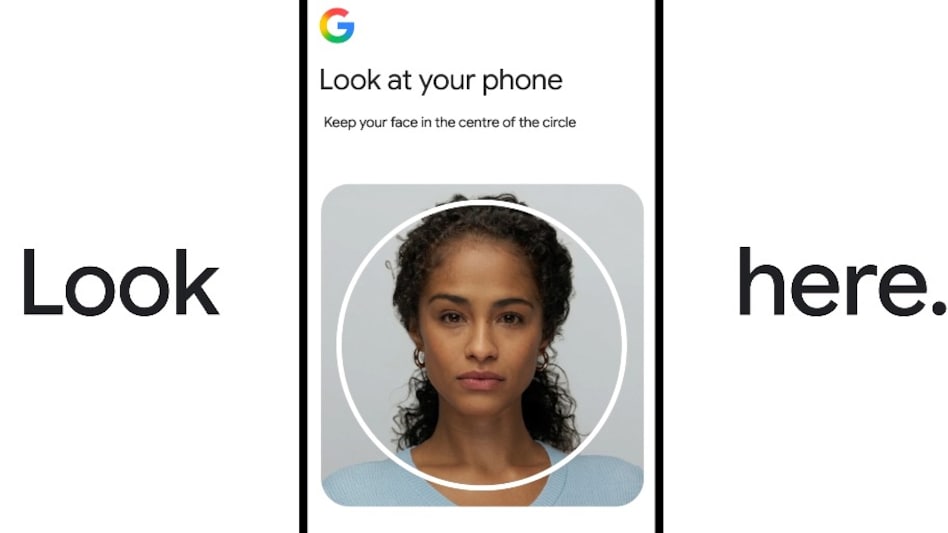
India Takes Action Against Jack Dorsey's Bitchat App Amid Protests
In a significant move, India's cybercrime agency, the Indian Cyber Crime Coordination Centre (I4C), has mandated GitHub ...
Business Today | Jul 24, 2026, 10:25
Facebook Unveils New Seller App and Free Verification System to Boost Marketplace Engagement
In an effort to enhance user engagement and streamline operations, Facebook has announced a series of updates aimed at M...
TechCrunch | Jul 24, 2026, 13:00