
How Mill closed the deal with Amazon and Whole Foods
Mill, a food waste startup co-founded by Matt Rogers, is taking a significant step forward by securing a partnership with Amazon and Whole Foods. Initially focusing on households, the company aims to broaden its reach to commercial clients as part of its strategic vision since its Series A funding. Beginning in 2027, Whole Foods will implement a commercial-scale version of Mill's innovative food waste bin across all its grocery locations. This advanced bin is designed to grind and dehydrate waste from the produce section, significantly lowering landfill costs while simultaneously providing feed for egg production. By adopting this technology, Whole Foods can enhance its operational efficiency and reduce overhead expenses. Moreover, the bins will gather crucial data to help Whole Foods analyze food waste patterns, offering insights into what is discarded and the reasons behind it. "Our ultimate aim is not just to streamline their waste operations but also to help them minimize food waste at the source," Rogers explained. Mill first entered the household market a few years ago, gaining attention for its well-designed bins that have been positively received by families. According to Rogers, starting with consumers was a strategic choice, as it helped build brand loyalty and establish proof points. Interestingly, many Whole Foods employees were already using Mill products at home prior to the partnership discussions. This consumer familiarity facilitated conversations with senior leadership at Whole Foods. "We encourage potential clients to try Mill at home, which generates excitement about our product," Rogers noted. Conversations with Whole Foods began about a year ago, and the company tested Mill's consumer product in select stores. Feedback from these trials allowed Mill to refine its commercial offering. One of the standout features that clinched the deal was Mill’s AI technology, which employs sensors to assess whether food is still suitable for sale, thereby reducing shrinkage—the term used for losses due to waste or theft. Rogers emphasized the role of advanced AI in delivering results more efficiently than ever before. In contrast to his previous experience at Nest, where extensive resources and time were required to develop similar technology, Mill has harnessed the power of modern language models to achieve superior outcomes with minimal resources. This innovation not only accelerates Mill's commercial rollout but also diversifies its customer base and revenue streams. Rogers reflected on the importance of resilience in business, sharing insights from his time at Apple during the iPod era, and highlighted the necessity of expanding the business model. Mill is also exploring opportunities in municipal waste management, further broadening its impact and sustainability efforts.
Crisis Averted: Power Line Failure Highlights Urgent Need for Data Center Resilience
A power line failure near Washington, DC, recently showcased a significant challenge faced by the electrical grid due to...
TechCrunch | Jul 25, 2026, 13:50
Market Turbulence: Four Key Factors Impacting Stocks This Week
This past week has been challenging for the stock market, driven by several significant forces that have created turbule...
CNBC | Jul 25, 2026, 20:05
The Aluminum Foil Trend: A DIY Shield Against Wireless Identity Theft
Have you noticed an unusual trend where people are wrapping their wallets in aluminum foil? This peculiar practice has e...
Business Today | Jul 25, 2026, 02:45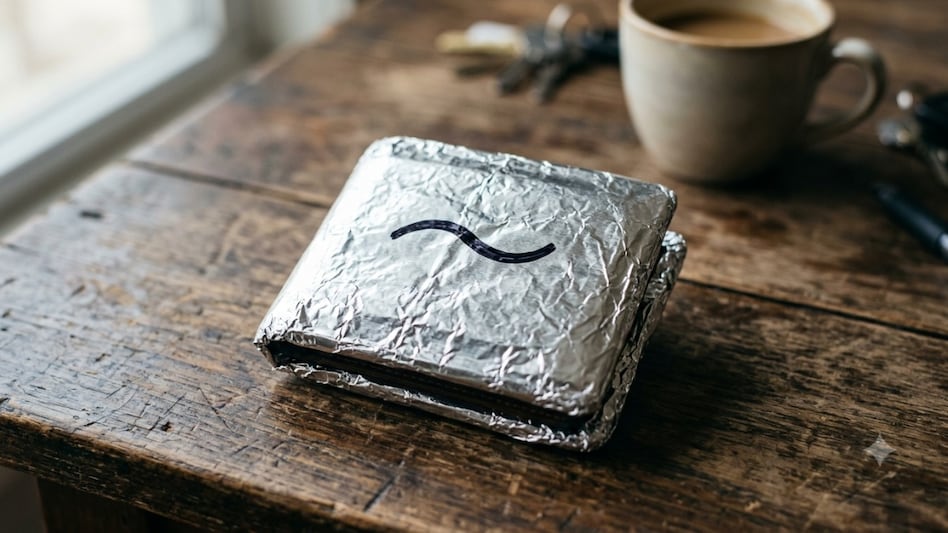
Unlocking the Secrets of Quantum Gravity: Can AI Help Physics Make a Leap?
The realm of scientific research is undergoing a profound transformation, fueled by the rapid advancements in artificial...
Business Today | Jul 25, 2026, 24:30
Nvidia Strikes Major Deal with SK Hynix to Secure AI Memory Supply
Nvidia has successfully forged a significant partnership with South Korea's SK Hynix to secure memory supplies essential...
CNBC | Jul 25, 2026, 05:15