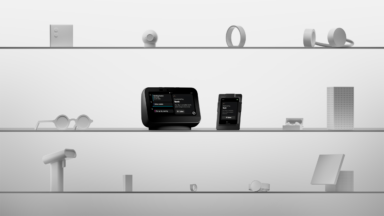
Microsoft’s Project Solara is an Android OS designed for agents instead of apps
In a bold move towards the future of artificial intelligence, Microsoft has introduced Project Solara, an innovative Android-based operating system that shifts the focus from traditional applications to intelligent agents. This initiative is a testament to Microsoft's ongoing commitment to generative AI, a journey that has seen the company align itself closely with OpenAI. Unveiled at Build 2026, Project Solara is designed to operate on a select range of hardware and software, serving as a platform for future AI agents that are still in development. This new OS is not intended to disrupt existing applications immediately; instead, it aims to offer a flexible environment where specialized devices can leverage AI to generate interfaces in real-time. Microsoft describes Solara as a chip-to-cloud architecture that liberates these AI agents from the constraints of single-user interfaces. While some critics view Microsoft's messaging as overly optimistic or self-promoting, the company emphasizes the historical need for specialized computing solutions, a process that can be both intricate and costly. Reflecting on past challenges with mobile computing, where Microsoft faced hurdles in app availability and security, the vision for Project Solara is to create a seamless experience where AI agents tailor functionality based on context. Imagine a scenario where your work badge, equipped with this OS, offers a simple interface with essential features, while a smart display provides a richer set of functionalities. At its core, Project Solara utilizes an open-source version of Google's Android software, dubbed the Microsoft Device Ecosystem Platform. This platform integrates various Microsoft enterprise technologies and incorporates a dynamic user interface concept known as just-in-time UI. With this approach, Solara promises to redefine how devices interact and respond to user needs in an ever-evolving digital landscape.
Trump Supports Jensen Huang's Leadership Return at NVIDIA Amid National Security Review
On Monday, former President Donald Trump praised the NVIDIA board's decision to reinstate Jensen Huang as CEO, deeming i...
Business Today | Nov 23, 2026, 14:50
Google Invests ₹46 Crore to Propel AI Research at IIT Kharagpur
In a significant move to enhance artificial intelligence research, Google has pledged $5 million (approximately ₹46 cror...
Business Today | Nov 23, 2026, 11:40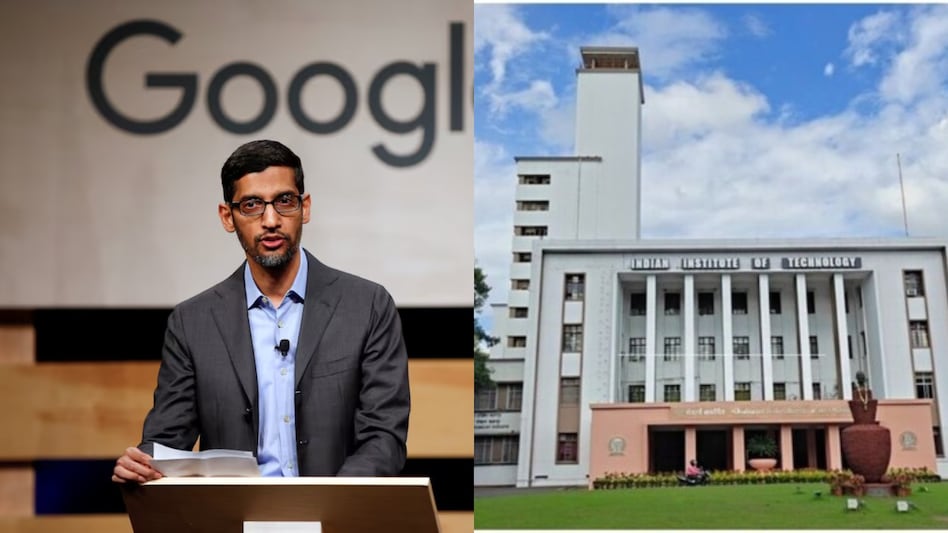
Y Combinator Backs Legal-Tech Innovators with Unique Investment Opportunity
In a surprising move, Y Combinator has chosen to invest in FluxCap, a legal-tech startup founded by two former Justice D...
Business Insider | Nov 23, 2026, 15:40Nvidia's Bold Move: Government Influence in Jensen Huang's Reinstatement as CEO
In a surprising turn of events, Nvidia revealed that its board of directors consulted with senior officials from the US ...
Business Insider | Nov 23, 2026, 15:00Uber Unveils New 'Record My Ride' Feature for Enhanced Safety
Uber is launching a groundbreaking feature in the United States that allows riders to book journeys with automatic ride ...
TechCrunch | Nov 23, 2026, 14:20