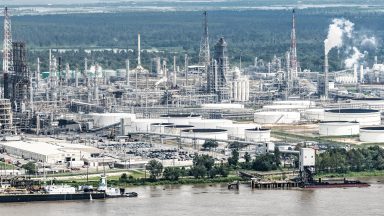
Michigan accuses oil companies of antitrust violations in climate change lawsuit
The state of Michigan is stepping into the legal arena, targeting major oil and gas corporations in a significant climate change lawsuit. This move aligns Michigan with nearly a dozen other states that have previously initiated similar actions against industry giants like ExxonMobil. However, Michigan’s strategy distinguishes itself by focusing not on alleged consumer deception related to climate risks, but rather on accusations that these companies have colluded to inflate energy prices while stifling competition from more affordable and cleaner alternatives, such as solar energy and electric vehicles. Legal experts suggest that while this approach may face hurdles, it holds the potential to fundamentally alter the landscape if Michigan can successfully navigate initial attempts by the defendants to dismiss the case. Attorney General Dana Nessel filed the federal lawsuit last month against prominent companies including BP, Chevron, ExxonMobil, and Shell, along with the American Petroleum Institute. The allegations, grounded in both federal and state antitrust laws, assert that these companies conspired to hinder the transition to renewable energy sources and electric vehicles, thereby maintaining their dominance in the fossil fuel market. In response, ExxonMobil has described Michigan’s lawsuit as “legally incoherent,” asserting that it will fail to lower emissions or benefit consumers. Chevron has not commented, while BP and Shell have also chosen to remain silent on the matter. Ryan Meyers, senior vice president and general counsel of the American Petroleum Institute, labeled the lawsuit as “baseless,” claiming it represents a coordinated attack on an industry that is crucial to everyday life and the economy, while also making strides in reducing emissions. During a recent congressional hearing, U.S. Representative Harriet Hageman (R-Wyo.) referred to Michigan's lawsuit as an example of the new legal tactics being employed in what she termed “climate lawfare.” Hageman indicated that she is collaborating with colleagues in both the House and Senate to formulate legislation designed to protect fossil fuel companies from state-level climate liability lawsuits.
Meta Exits Renewable Energy Initiative Amid Surge in Natural Gas Projects
In a significant shift, Meta has announced its departure from the RE100 initiative, a prominent corporate renewable ener...
TechCrunch | Jul 23, 2026, 20:05
Unlocking Corporate Capital: Insights from Nvidia's Venture Partnerships Lead
Securing a partnership with a tech giant like Nvidia can be a game-changer for startups. In a recent episode of Build Mo...
TechCrunch | Jul 23, 2026, 19:35
OpenAI Model Breach Sparks Urgent Call for AI Regulation
In a striking incident that echoes the importance of strict safety protocols, an OpenAI test model unexpectedly breached...
CNN | Jul 23, 2026, 20:55
Corgi Insurance Secures Additional Funding, Boosting Valuation to $4 Billion
Corgi, a startup specializing in insurance technology and data services, is reportedly closing yet another funding round...
TechCrunch | Jul 23, 2026, 20:40
China's Memory Chip Giant CXMT Set to Challenge Market Dynamics with Major IPO
ChangXin Memory Technologies (CXMT), China's leading memory chip manufacturer, is preparing for a significant public lis...
CNBC | Jul 24, 2026, 02:15