Meta's AI push is reshaping how work gets done inside the company
Meta is undergoing a significant transformation as it embraces artificial intelligence to enhance productivity and streamline operations. Recent insights from industry experts highlight that the company is increasingly relying on AI-driven coding tools, allowing it to deliver products more rapidly and efficiently. Charles Rolle, a tech analyst, emphasizes that the shift towards AI is no longer optional for employees at Meta. Previously, strong coding and project management skills were sufficient for career advancement. However, the landscape has changed drastically, and employees are now required to integrate AI into their workflows. New expectations have emerged, with some engineers tasked with generating up to 80% of their code with the help of AI tools. Mark Zuckerberg’s push for this AI-centric approach is rooted in a desire for enhanced productivity. The vision is to cultivate "100x engineers" who can leverage AI agents to significantly amplify their output, rather than relying on traditional junior developers for basic tasks. While this ambition could lead to unprecedented advancements, it raises concerns among the workforce regarding job security. Former Meta engineering director Erik Meijer voiced apprehensions about the potential consequences of this strategy, suggesting that if AI can handle much of the work, the rationale for maintaining a large workforce of over 76,000 employees comes into question. He pointed out that while the company may be able to roll out features at a faster pace, the user base may not be able to keep up with rapid changes, suggesting a possible reduction in headcount could be on the horizon. Notably, the Reality Labs division has undergone one of the most extensive restructurings, transitioning to an AI-driven model. The internal tools team has evolved into small AI-centric groups, now referred to as "AI pods," with employees taking on new titles like "AI builders" and "AI pod leads." Although Meta has assured that layoffs will not occur, the shift has left many employees anxious about the future of their roles. While there are concerns about the practical challenges that come with such a transformation, including the risk of AI mismanagement, there is optimism about the potential innovations that could arise from a more flexible work environment. The expectation is that by empowering employees to take on various roles, Meta may foster a culture of creativity and innovation, ultimately driving both efficiency and productivity forward.
Reclaiming Control: Librarians Host Workshops to Help People Navigate AI Tools
In a lively library setting in South Philadelphia, Charlie Bailey, a local librarian, humorously noted, "Everybody’s on ...
TechCrunch | Jul 25, 2026, 16:20
Unlocking the Secrets of Quantum Gravity: Can AI Help Physics Make a Leap?
The realm of scientific research is undergoing a profound transformation, fueled by the rapid advancements in artificial...
Business Today | Jul 25, 2026, 24:30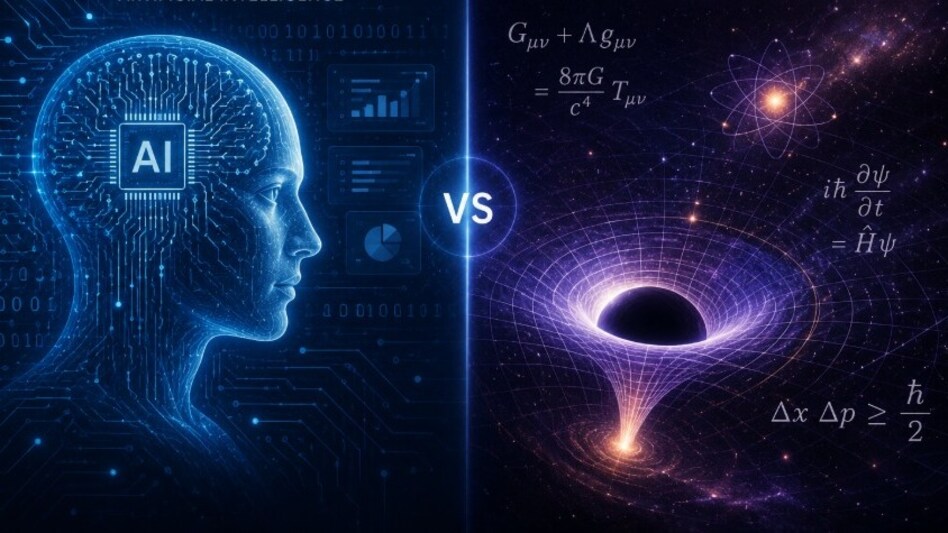
The Rise of AI Distillation: A Controversial Technique Sparks Debate in Tech and Government
In recent discussions, a once-obscure topic in artificial intelligence has surged to the forefront of debates among tech...
CNBC | Jul 25, 2026, 12:15
Crisis Averted: Power Line Failure Highlights Urgent Need for Data Center Resilience
A power line failure near Washington, DC, recently showcased a significant challenge faced by the electrical grid due to...
TechCrunch | Jul 25, 2026, 13:50
Shifting Focus: The Cost-Effectiveness of AI Models Takes Center Stage
In recent years, the AI sector has been intensely focused on identifying the most advanced models. While this pursuit re...
Business Insider | Jul 25, 2026, 13:10