Meta boss says AI is letting one employee do the work of entire teams, and it shows how the company is rethinking hiring
Meta's CEO, Mark Zuckerberg, has revealed that artificial intelligence is dramatically reshaping the capabilities of individual employees within the company. During a recent earnings call, Zuckerberg outlined how this shift is prompting Meta to rethink its hiring strategies. Zuckerberg highlighted that the company is channeling investments into AI-native tools designed to empower individual contributors and streamline team structures. However, he noted that this transformation faces challenges due to a shortage of computing resources. "Projects that once required large teams can now be managed by a single highly skilled individual," he remarked. His ambition is clear: to attract top talent that can drive significant impact at Meta. In a promising financial update, Meta reported fourth-quarter earnings that surpassed Wall Street expectations and announced plans to increase its AI-related spending by nearly 70% this year. The company has already seen a notable rise in productivity among engineers, thanks largely to the incorporation of agentic coding practices. Despite the trend toward smaller teams, CFO Susan Li emphasized the ongoing need for exceptional talent, acknowledging the fierce competition in the hiring landscape. Li also shared that Meta ended the last quarter with a 6% increase in its workforce compared to the previous year, fueled by recruitment in areas such as monetization and compliance. This focus on efficiency and minimalism isn’t unique to Meta; it reflects a broader trend in the startup ecosystem, where lean operations have become the norm. OpenAI's CEO, Sam Altman, forecasted a future where tiny teams could achieve billion-dollar valuations, a possibility now made feasible by AI advancements. The push for streamlined operations extends beyond startups and into larger corporations, many of which are reducing middle management to enhance efficiency. Amazon and Intel are among those that have initiated such cuts. Zuckerberg himself introduced the idea of a "flatter" organizational structure in a memo last year, while Google has also reported reductions in its managerial tiers. This trend is evident across various industries, with firms like Walmart and fintech companies such as Block shifting management roles to non-managerial positions. Amidst these changes, some companies, including Amazon, have resorted to multiple rounds of layoffs, the latest involving 16,000 corporate positions. Zuckerberg remains optimistic about the future, despite challenges in scaling AI capabilities. He believes that the year 2026 will mark a significant turning point in how work is conducted, with an emphasis on creating an environment where individuals can make substantial contributions.
The Rise of AI in Customer Service: Are You Speaking to a Human or a Bot?
Customer service representatives are increasingly facing a peculiar situation: customers questioning whether they are sp...
Business Insider | Sep 24, 2026, 09:05Disney Appoints Karandeep Anand as Its First Chief Technology Officer
The Walt Disney Company is making significant strides in technology leadership by appointing Karandeep Anand as its inau...
Business Today | Sep 24, 2026, 06:40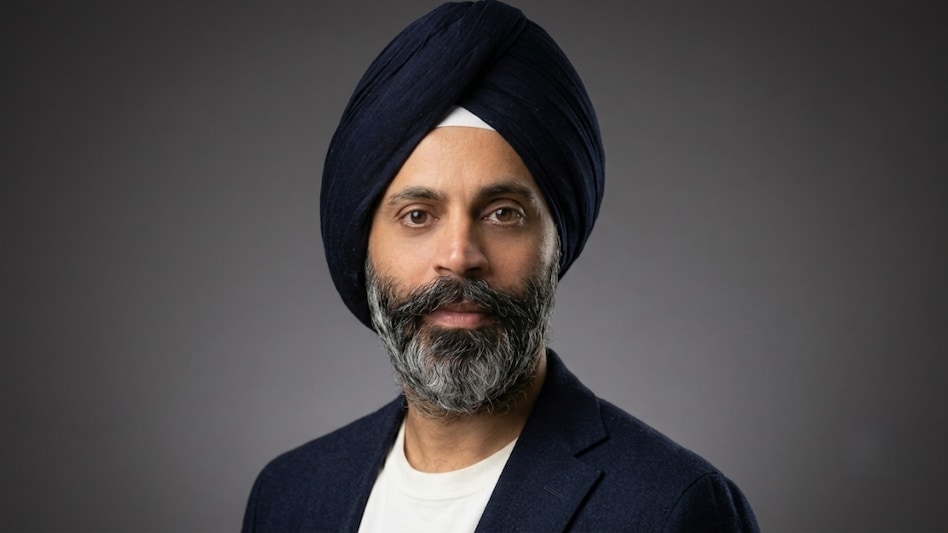
Tech Titans Urge United Nations to Tackle AI Threats with Global Regulations
In a critical address to the United Nations Security Council, prominent figures from Silicon Valley delivered a stark wa...
Business Today | Sep 24, 2026, 02:05
Apple Pay Set to Launch in India: What This Means for Users
Apple is gearing up to introduce its mobile payment service, Apple Pay, in India nearly 12 years after its debut in the ...
Business Today | Sep 24, 2026, 24:40
Meta Unveils Exciting New Features for AI Agent Muse at Annual Connect Event
At Meta's recent Connect event in Menlo Park, CEO Mark Zuckerberg unveiled a series of exciting updates for the company'...
TechCrunch | Sep 24, 2026, 01:55