'Superintelligence is coming:' Read the full memo Alexandr Wang sent about Meta's massive AI restructure
In a bold move, Meta has announced a significant reorganization of its artificial intelligence operations, marking its most extensive overhaul to date. Alexandr Wang, the head of Meta Superintelligence Labs (MSL), shared this transformative plan in an email to all AI personnel at the company, emphasizing the urgency of advancing toward 'superintelligence'. As the competitive landscape of AI intensifies, Meta is on a mission to attract top talent from rival organizations, offering lucrative incentives to researchers in a bid to develop what they term 'personal superintelligence'. This strategy has sparked tensions within the ranks, as existing team members express concerns over the influx of high-salaried newcomers, with some even contemplating resignations. Wang's email underscored the necessity for structural changes, introducing four dedicated teams aimed at enhancing the research, training, product development, and infrastructure within the AI sector. Notably, new division heads will report directly to Wang, including Nat Friedman, the former GitHub CEO, who was initially designated as co-leader of MSL. This move follows a series of recent organizational changes, with Meta having dissolved two major AI teams in less than half a year. Wang acknowledged the potential disruptions these changes could cause but asserted that they are crucial for accelerating the path toward superintelligence, a point at which AI could outperform humans across various intellectual domains. Central to this reorganization is the establishment of two primary research units: TBD Lab, which will focus on training large AI models, and FAIR, Meta's established AI research division. Wang's email indicates that the new chief scientist for MSL will be Shengjia Zhao, co-creator of ChatGPT, and that TBD Lab will also explore innovative directions like the development of an 'omni' model, although specifics were not provided. FAIR is set to take on a more proactive role in this new structure, acting as an 'innovation engine' for MSL's training operations. This shift signifies a deeper collaboration between FAIR and the generative AI division at Meta, a departure from past practices that saw limited interaction between the two. Rob Fergus will continue to lead FAIR, with Yann LeCun serving as chief scientist, both reporting to Wang. Friedman will focus on integrating AI technologies into Meta's product offerings, which have included attempts to make AI-driven glasses and virtual reality headsets mainstream. The reorganization also entails the dissolution of the AGI Foundations team, a unit created earlier this year that had its roots in the GenAI division responsible for the Llama AI models. The restructuring raises questions about Meta's ability to regain its position at the forefront of AI research, especially in light of fewer organizational changes at competitors like OpenAI and Google. As Meta embarks on this ambitious restructuring journey, the eyes of the tech community will be watching closely to see if these changes can indeed propel the company back into the vanguard of AI innovation.
Vision Breakthrough: US Startup Launches Groundbreaking Retina Chip in Europe
Science Corp is poised to introduce a revolutionary retina chip in Europe, designed to restore partial vision for indivi...
Business Today | Jul 25, 2026, 01:00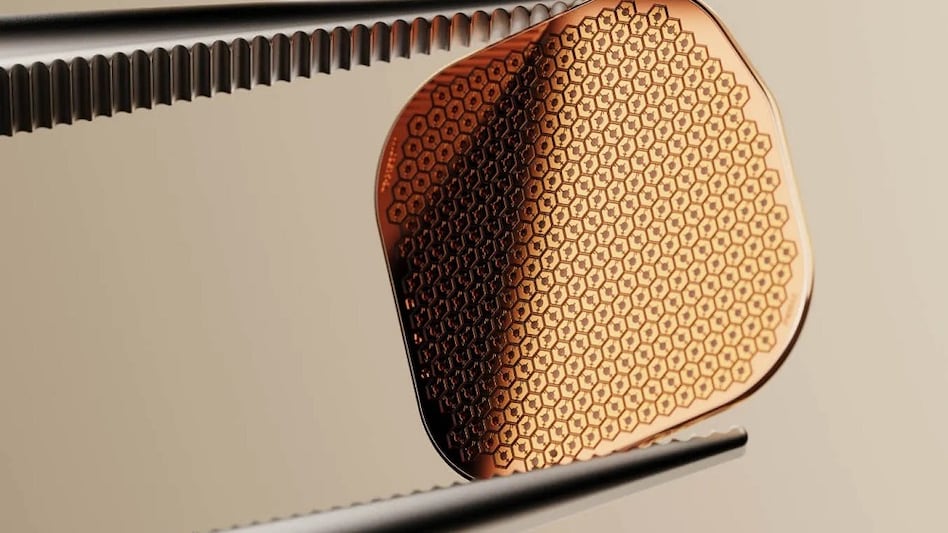
The Aluminum Foil Trend: A DIY Shield Against Wireless Identity Theft
Have you noticed an unusual trend where people are wrapping their wallets in aluminum foil? This peculiar practice has e...
Business Today | Jul 25, 2026, 02:45
SpaceX's Latest Starlink Launch Marks Milestone Amid Booster Setbacks
On Friday, SpaceX marked a significant achievement by successfully launching its first batch of third-generation Starlin...
TechCrunch | Jul 24, 2026, 23:40
Unlocking the Secrets of Quantum Gravity: Can AI Help Physics Make a Leap?
The realm of scientific research is undergoing a profound transformation, fueled by the rapid advancements in artificial...
Business Today | Jul 25, 2026, 24:30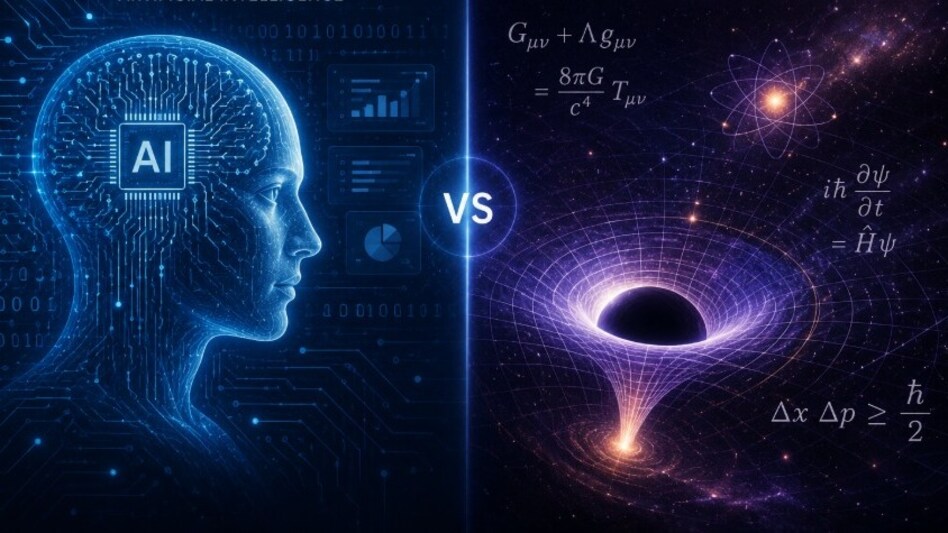
OpenAI's Micro Keypad: A Novelty for Coders or Just a Confounding Gadget?
Last week, OpenAI made its debut in the hardware landscape with the launch of Micro, a stylish keypad designed to integr...
TechCrunch | Jul 25, 2026, 24:40