
Hugo Barra's return to Meta 5 years after exit underscores Zuckerberg's AI urgency
Hugo Barra is making a comeback at Meta, formerly known as Facebook, marking a significant shift in the company's focus from virtual reality to artificial intelligence. During his previous tenure, Barra was instrumental in shaping Meta's VR strategy, but in the five years since his departure, the tech landscape has transformed, with AI becoming the new frontier. Meta has recently welcomed Barra back as part of its initiative to enhance its AI capabilities and stay competitive with leading firms like Google and OpenAI. Alongside him, several colleagues from the AI startup Dreamer, which he co-founded in 2024, are joining the ranks at Meta. Notable figures include CEO David Singleton, who previously held a key position at Stripe, and Nicholas Jitkoff, formerly a senior design director at Figma. Barra will be contributing to Meta's Superintelligence Labs, overseen by Alexandr Wang, the former leader of Scale AI. This move comes on the heels of a hefty $14.3 billion investment in Scale, aimed at recovering from a lackluster launch of Meta's Llama 4 AI models. As Meta plans to spend as much as $135 billion this year, primarily on AI infrastructure, it still seeks a solid strategy to rival the creators of dominant AI models such as OpenAI, Anthropic, and Google. Dreamer is focusing on the burgeoning sector of AI agents, recently introducing the beta version of its innovative product, which Barra describes as a "new operating system for AI agents and agentic apps." In a LinkedIn post earlier this year, he emphasized the need for a complete rethinking of current computing platforms, drawing inspiration from past projects, including mobile operating systems like Symbian and Android, and even Oculus VR technology. The AI agents landscape is evolving rapidly, with developers increasingly turning to tools like OpenClaw to manage these agents across various platforms. Meta's aggressive push into this domain includes a $2 billion acquisition of Manus, a Singapore-based AI agent company, and the purchase of Moltbook, a social media platform focused on AI agents. Each of these entities addresses distinct applications of AI technology: Dreamer targets individual users, Manus caters to businesses, and Moltbook serves as a digital hub for AI assistants. However, rather than fully acquiring Dreamer, Meta has opted for a licensing agreement to leverage its technology. Despite the fervent investment in AI, Meta's VR ambitions are experiencing a downturn, evidenced by recent layoffs within its Reality Labs unit, which saw a significant reduction in staff dedicated to VR projects. The company is pivoting its focus towards AI-driven wearables, signaling a major shift in its strategic direction. Barra's return comes at a pivotal time as Meta transitions away from VR, a field where he played a key role during its formative years. Having joined the company in 2017 to spearhead VR development following Meta's acquisition of Oculus, Barra's experience positions him uniquely to influence the next chapter of Meta's technological journey. As Meta looks to the future, the collaboration between Barra and Wang aims to propel the company towards a vision where AI enhances everyday life on a massive scale.
BP Exits Climate Tech: Sells Venture Portfolio After Two Decades
BP has officially cut ties with its corporate venture arm after a tumultuous journey through the climate technology sect...
TechCrunch | Jul 16, 2026, 18:05
Roblox Unveils AI-Driven Game Creation Tool for Mobile Users
Roblox has made a significant leap in game development technology with the introduction of a new feature named 'Build.' ...
TechCrunch | Jul 16, 2026, 18:55
Google Rebrands NotebookLM as Gemini Notebook, Enhancing AI Capabilities
In a strategic move to unify its branding, Google has decided to rename its AI-driven research tool, NotebookLM, to Gemi...
TechCrunch | Jul 16, 2026, 16:25
HCLTech Expands Its Reach with Guardian India Acquisition, Welcoming 2,000 New Employees
In a significant move, HCLTech has announced a new seven-year agreement with The Guardian Life Insurance Company of Amer...
Business Today | Jul 16, 2026, 15:10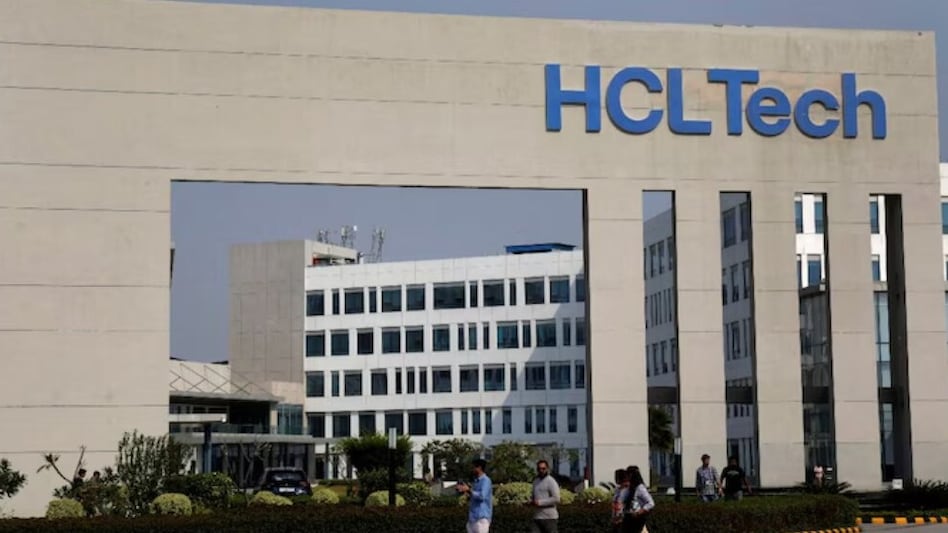
Alphabet's Stock Dips as Launch of Gemini 3.5 Pro AI Model Faces Delays
Alphabet's shares took a hit on Thursday, dropping 4% following news of a delay in the release of its highly anticipated...
CNBC | Jul 16, 2026, 19:15