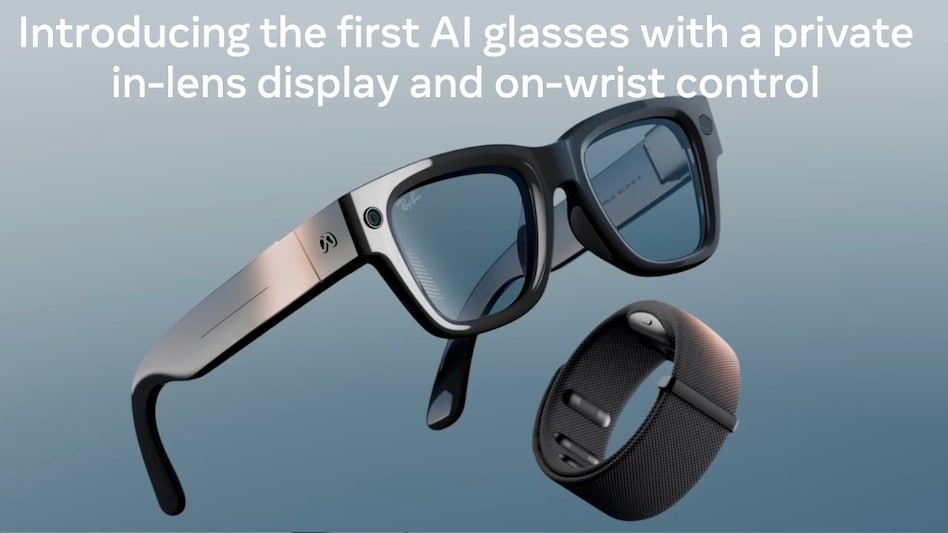
Meta launches Ray-Ban Display smart glasses with built-in apps and gesture control band
During its annual developer conference, Meta Connect 2025, Meta introduced its latest hardware innovation — the Meta Ray-Ban Display. These smart glasses feature a built-in display that enables users to access apps, receive alerts, get directions, and even translate conversations in real-time. Priced at $799 (approximately ₹70,000 in India), these glasses will be available starting September 30. Unlike the previous Orion prototype, which was still years away from being consumer-ready, CEO Mark Zuckerberg emphasized that this new model is fully prepared for the market. Meta aims to establish its presence beyond Apple and Google’s ecosystems, where much of its functionality currently resides. While the company’s virtual reality headsets have struggled to achieve widespread adoption, Meta views smart glasses as a potential breakthrough to capture mainstream consumer interest. "The Meta Ray-Ban Display is crafted to offer users advanced functionalities while also being fashionable and suitable for everyday use," Zuckerberg stated during his keynote address. Collaborating with EssilorLuxottica, the new glasses enhance the earlier Ray-Ban Meta series, which has already achieved significant sales worldwide. The glasses come equipped with a range of features, including an AI assistant that connects to the cloud, integrated cameras, microphones, and speakers, along with a right-lens display for apps, messages, and live translations. In addition to the glasses, Meta is launching the Neural Band, a wrist-worn device similar to a Fitbit. This innovative controller uses electromyography (EMG) technology to interpret brain signals for hand gestures, enabling users to navigate apps or select options without physical contact. Notably, the Neural Band is water-resistant and boasts an impressive battery life of up to 18 hours on a single charge. Although the Meta Ray-Ban Display showcases powerful capabilities, it still falls short of the advanced augmented reality features and eye-tracking technology displayed in last year’s Orion glasses. Industry analysts predict that competitors like Apple and Google will soon introduce their own smart glasses, potentially offering deeper integration with iOS and Android platforms that might give them an advantage. Nevertheless, Meta is optimistic about being the first to deliver consumer-ready smart glasses to the market. With direct access to popular apps such as Instagram, WhatsApp, and Facebook right from the lens, the company hopes to attract a younger demographic in search of stylish yet practical wearable technology.
Unlocking the Secrets of Quantum Gravity: Can AI Help Physics Make a Leap?
The realm of scientific research is undergoing a profound transformation, fueled by the rapid advancements in artificial...
Business Today | Jul 25, 2026, 24:30
Volkswagen Engineers Indicted for Insider Trading Linked to Rivian Partnership
In a significant legal development, the U.S. Department of Justice has brought securities fraud charges against two engi...
TechCrunch | Jul 24, 2026, 20:30
Vision Breakthrough: US Startup Launches Groundbreaking Retina Chip in Europe
Science Corp is poised to introduce a revolutionary retina chip in Europe, designed to restore partial vision for indivi...
Business Today | Jul 25, 2026, 01:00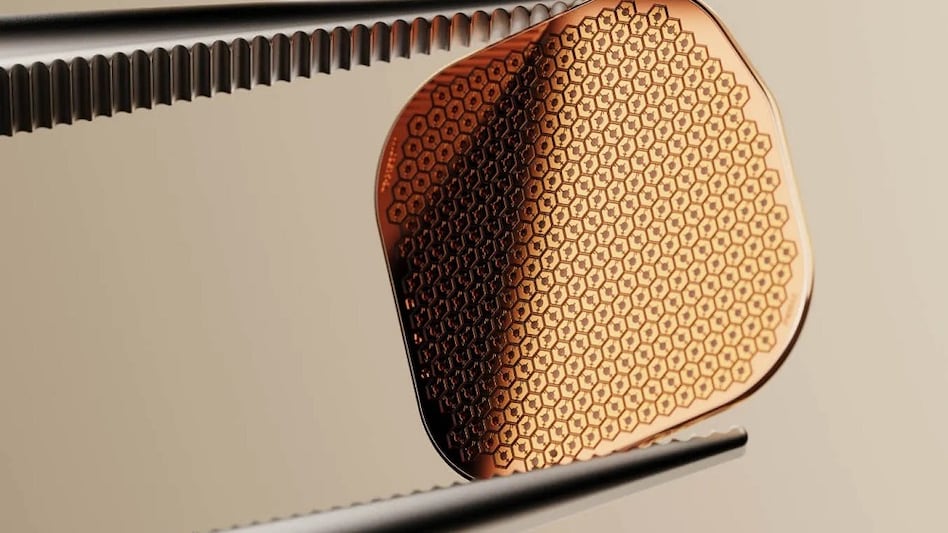
The Aluminum Foil Trend: A DIY Shield Against Wireless Identity Theft
Have you noticed an unusual trend where people are wrapping their wallets in aluminum foil? This peculiar practice has e...
Business Today | Jul 25, 2026, 02:45
Vietnam's Controversial Social Media Proposal: A New Approach for Youth Engagement
Vietnam is contemplating a distinctive approach to youth social media regulations, diverging from the more common outrig...
TechCrunch | Jul 24, 2026, 21:25