Meta just removed 10 million Facebook accounts! Here's what happpened
In a significant move to enhance the user experience, Meta has announced the removal of more than 10 million Facebook accounts. This initiative is part of an extensive campaign aimed at refining the platform and eliminating impersonation and spam. According to Meta, these accounts were mimicking popular content creators and inundating users with unoriginal, often recycled material. In addition to the mass ban, Meta has also penalized around 500,000 accounts for engaging in what it describes as "inauthentic behavior." This broad category encompasses a range of issues, from manipulating engagement rates to posting repetitive content, all aimed at gaming the system for increased visibility or financial gain. The company, much like its competitor YouTube, is intensifying its battle against low-effort content that primarily utilizes AI technologies. This includes videos with generic voiceovers, repurposed memes, and edited clips lacking original substance. Such posts have cluttered user timelines, drowning out authentic creators and their contributions. To combat this, Meta is employing sophisticated detection methods to identify and demote duplicate videos, ensuring that original creators receive the recognition they deserve. Accounts that continuously infringe upon these guidelines will not only see a reduction in their visibility but may also face temporary bans from Facebook’s monetization programs. In a not-so-subtle warning to creators leaning heavily on AI for content creation, Meta has hinted at the potential consequences. While not explicitly naming AI, the company has criticized low-effort posts characterized by poor-quality auto-captions and mere watermarks on others' work. Meta is currently testing a new feature that directs viewers from reposted videos back to the original source, ensuring proper credit is given. For creators concerned about navigating these changes, Meta is introducing new tools within Facebook’s Professional Dashboard. These will provide insights into post performance and monetization, helping creators understand what impacts their reach. This sweeping cleanup aligns with recent policy updates from YouTube, which are also aimed at curbing revenue from mass-produced content, while still promoting innovative uses of AI that yield meaningful outcomes. Meta plans to implement these new regulations gradually, giving creators ample time to adjust. However, the message is clear: without original content, creators risk losing both their audience and revenue, much like the 10 million accounts that have been removed.
Sam Altman Faces Lawmakers Over OpenAI's Military Collaboration
Sam Altman, the CEO of OpenAI, recently engaged in a crucial dialogue with several lawmakers in Washington, D.C., where ...
CNBC | Mar 12, 2026, 20:25
Google Maps Unveils AI-Enhanced Features for a Seamless Navigation Experience
Google Maps is set to revolutionize the way users navigate their surroundings with the introduction of innovative AI-dri...
Business Today | Mar 13, 2026, 06:00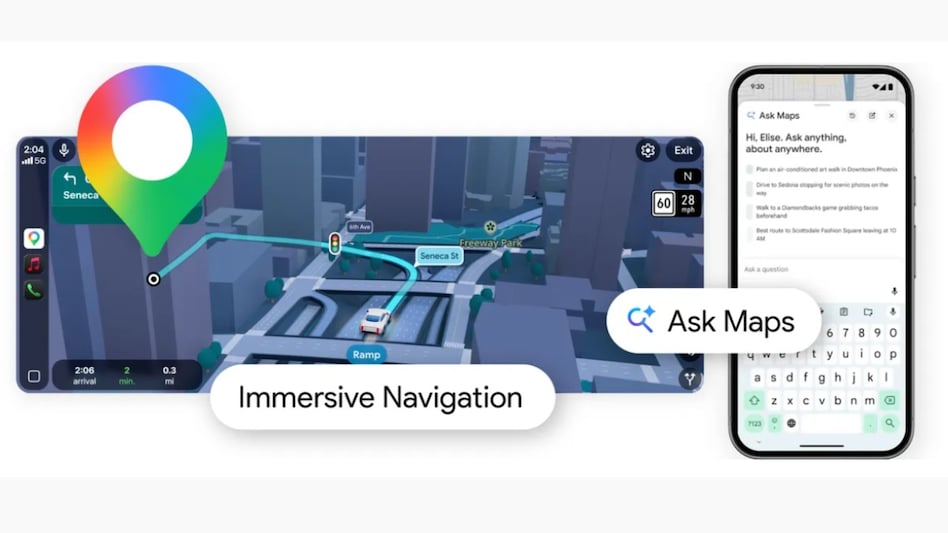
Rivian Delays Launch of Affordable R2 SUV Until Late 2027
Rivian has unveiled the specifications and pricing details for its highly anticipated R2 SUV, but customers eager to pur...
TechCrunch | Mar 12, 2026, 21:00
Tesla Sees Surge in Sales in China as BYD Faces Decline
Tesla has experienced a significant boost in its electric vehicle sales in China during the initial two months of 2026, ...
CNBC | Mar 13, 2026, 07:20
AI Boosts U.S. Military Edge, Says Palantir CEO Amid Rising Tensions
During an interview with CNBC, Palantir's CEO Alex Karp emphasized the significant advantage that artificial intelligenc...
CNBC | Mar 12, 2026, 22:05