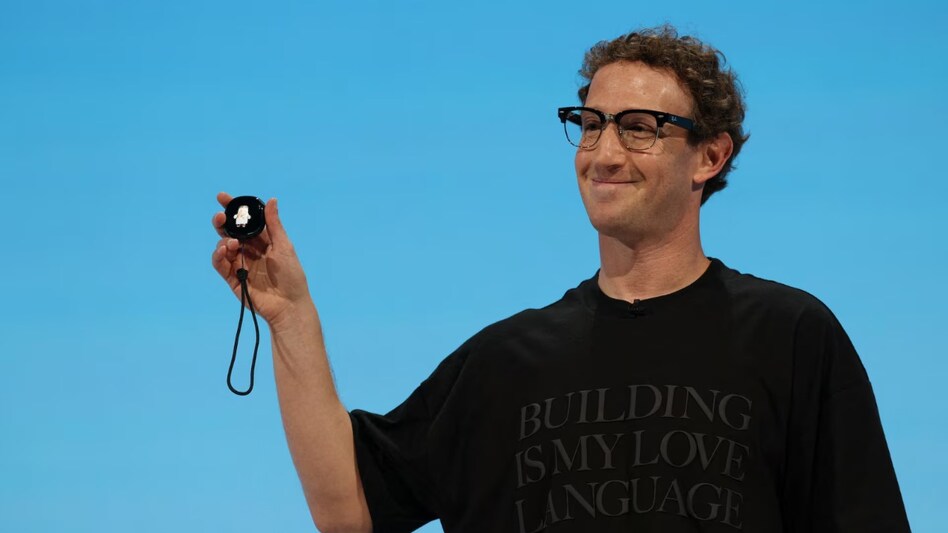
Meta unveils camera-free Ray-Ban smart glasses amid privacy concerns: All details
In a bold move addressing growing privacy concerns surrounding wearable technology, Meta has unveiled its latest smart glasses at the annual Meta Connect event in Menlo Park, California. The new Ray-Ban Meta Audio model eliminates the built-in camera, opting instead to focus on audio functionality and integrating Meta's AI capabilities. This decision comes in light of heightened scrutiny regarding devices that record video and the potential for unauthorized recordings. While privacy considerations influenced this redesign, Meta also cites a strong consumer interest in audio-centric wearables. The company is broadening its Muse AI assistant across its smart glasses range, signaling a shift toward more versatile hardware offerings. Developed in collaboration with EssilorLuxottica, the Ray-Ban Meta Audio glasses will hit the market on October 13, priced at $349 (approximately ₹33,400). This new offering is $100 less than the previous camera-enabled Ray-Ban models. Available in Clubmaster and Burbank styles, these glasses are touted as the slimmest yet, weighing around 43 grams and boasting a remarkable 12 hours of battery life on a single charge, with a charging case that can extend usage to 48 hours. The glasses are designed for music and podcast playback, voice calls, and feature the use of an AI voice assistant, all while allowing users to remain aware of their surroundings. The design includes adjustable nose pads and temple tips, as well as options for prescription lenses. According to Meta, audio functionality has emerged as the most sought-after feature since the launch of their smart glasses. Despite the absence of a camera, concerns regarding privacy linger, particularly because the glasses can still record audio. Unlike their camera-equipped predecessors, these models lack a visible indicator for audio recording. Jitesh Ubrani, an analyst from IDC, noted that while the removal of the camera may ease some privacy worries, the potential for audio recording without consent remains a concern. Additionally, the lack of a camera might impact demand, as photography and videography are popular functionalities in smart glasses. Meta is also positioning the Audio glasses against purely audio devices like Apple’s AirPods. Furthermore, the company is enhancing its Muse AI assistant across its line of smart glasses, integrating features for shopping and task management through voice commands with partners like Walmart, Best Buy, and Gap. In conjunction with the release of the audio glasses, Meta announced a new VR headset priced at $1,299 (around ₹1.24 lakh), set for a spring 2027 launch. The company also introduced Meta Charm, a compact 5G-enabled device with a 2-inch touchscreen, designed for on-the-go access to the Muse AI assistant without the need for a smartphone. This device is expected to ship in December, with pricing details yet to be revealed.
Nvidia's Board Shake-Up: The High-Stakes Return of Jensen Huang
Nvidia's CEO Jensen Huang has received unwavering support from longtime board members Tench Coxe, Mark Stevens, and Harv...
CNN | Nov 24, 2026, 23:00
Nvidia's CEO Dismisses Succession Planning Amid Controversy
Nvidia's co-founder and CEO, Jensen Huang, recently addressed employees in a comprehensive all-hands meeting, touching o...
TechCrunch | Nov 24, 2026, 22:50
Navigating the AI Job Landscape: Challenges and Opportunities Ahead
The landscape of employment is undergoing a significant transformation as artificial intelligence (AI) permeates various...
Business Insider | Nov 24, 2026, 22:40Jensen Huang Opens Up at Nvidia's All-Hands Meeting: A Journey of Redemption
In a heartfelt address during Nvidia's first all-hands meeting since his reinstatement, founder Jensen Huang shared his ...
TechCrunch | Nov 24, 2026, 22:20
Jensen Huang Shares Personal Journey in First All-Hands Meeting Post-Reinstatement
In a pivotal moment for Nvidia, CEO Jensen Huang addressed employees on Tuesday during his first companywide meeting sin...
Business Insider | Nov 24, 2026, 19:55