
The memory shortage is shaking Apple and Microsoft. But it’s worse for the smaller guys
This year has proven to be a challenging one for smaller tech companies as they grapple with soaring memory costs. Mono Technologies, a startup founded in 2024 by Tomaž Zaman, recently shipped nearly 1,000 units of its $600 router development kit, initially gaining traction among tech enthusiasts eager to enhance their internet speeds. However, the memory shortage has drastically escalated production expenses for nearly all electronic devices. For Zaman, the price of 8 gigabytes of DRAM from Micron has surged from $35 to a staggering $300. With 1,300 customers having already placed $100 deposits for the next batch of routers, Zaman faces a tough decision: either raise prices by at least one-third or reduce memory capacity by 75%. He expressed his concerns, stating, "Even a router of our class, it's a poor value if you make it at $900, $1,000." This predicament is not unique to Mono. The entire consumer electronics landscape, from renowned products like iPads and Xbox consoles to niche gadgets, is feeling the strain of rising costs due to a global supply crunch exacerbated by the AI boom. Major players like Apple and Microsoft have the financial resources to absorb these costs and recently announced price increases, but smaller firms are left to navigate a precarious situation without the same level of financial security. GoPro, for instance, warned investors that it could face bankruptcy as memory prices surged between 80% and 115% earlier this year. Similarly, Sonos saw its shares drop 23% due to the pressure on profit margins caused by rising memory costs. Nabila Popal, an analyst at IDC, characterized the situation as an “absolute existential crisis” for smaller manufacturers and budget-friendly device makers, noting that memory suppliers are prioritizing larger companies. In a stark contrast, Micron Technology reported a remarkable increase in revenue, with its gross margin more than doubling to nearly 85% compared to a year ago. The company's stock surged 16% following these results, reflecting the booming demand for memory chips among major tech firms. Sumit Sadana, Micron’s chief business officer, stated that they are working hard to manage supply allocation fairly among customers. As the crisis unfolds, both Apple and Microsoft have raised their prices significantly, citing unprecedented increases in component costs. Apple's CEO, Tim Cook, described the memory situation as a “hundred-year flood,” while Microsoft announced a $100 price hike for the Xbox Series S, emphasizing the severe impact of rising memory prices on console production. Concerns are mounting not just in consumer electronics but also across various industries, including telecommunications and medical devices. Smaller companies like W5 Technologies are also feeling the pinch, with co-founder Elaine Ferguson noting that the cost of essential equipment has nearly doubled since 2020. As Zaman continues to develop Mono Technologies' next model, uncertainty looms over when it will hit the market. He is actively seeking investors to support a larger production run, highlighting the pressing challenges of high manufacturing costs and a volatile supply chain.
Crisis Averted: Power Line Failure Highlights Urgent Need for Data Center Resilience
A power line failure near Washington, DC, recently showcased a significant challenge faced by the electrical grid due to...
TechCrunch | Jul 25, 2026, 13:50
The Boring Company Eyes $4 Billion Funding Boost Amid Expanding Tunnel Ventures
Elon Musk's tunneling enterprise, The Boring Company, is reportedly negotiating a substantial funding round of $4 billio...
TechCrunch | Jul 25, 2026, 19:50
AI Transformations Lead to Major Job Cuts at Tech Giants
Monday.com, the innovative work management platform based in Tel Aviv, has recently announced significant layoffs, attri...
TechCrunch | Jul 26, 2026, 01:45
The Aluminum Foil Trend: A DIY Shield Against Wireless Identity Theft
Have you noticed an unusual trend where people are wrapping their wallets in aluminum foil? This peculiar practice has e...
Business Today | Jul 25, 2026, 02:45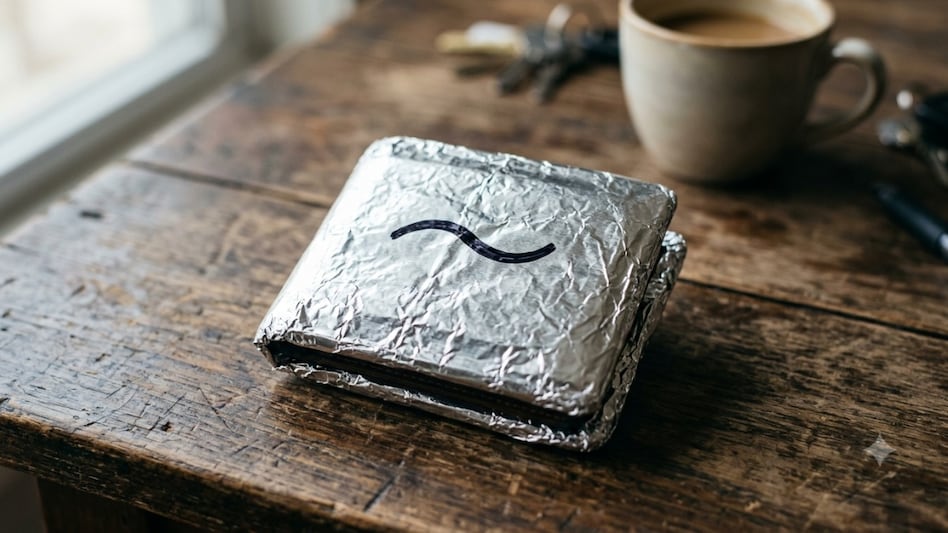
The Rise of AI Distillation: A Controversial Technique Sparks Debate in Tech and Government
In recent discussions, a once-obscure topic in artificial intelligence has surged to the forefront of debates among tech...
CNBC | Jul 25, 2026, 12:15