
A 19-year-old nabs backing from Google execs for his AI memory startup, Supermemory
In the evolving landscape of artificial intelligence, the capacity of models to retain information—known as context windows—has expanded significantly. Yet, challenges remain, particularly in maintaining long-term memory across multiple sessions. Enter Dhravya Shah, a 19-year-old entrepreneur from Mumbai, India, who is tackling these challenges head-on with his innovative startup, Supermemory. Shah's journey into tech began a few years ago when he developed consumer-focused bots and applications, notably selling a Twitter formatting bot to social media tool Hypefury. After a successful sale, he pivoted from preparing for the Indian Institute of Technology entrance exam to pursuing studies at Arizona State University in the U.S. Driven by creativity, he embarked on a personal challenge to create a new project each week for 40 weeks, leading to the inception of Supermemory. Initially branded as Any Context, Shah launched his memory tool on GitHub, enabling users to engage with their Twitter bookmarks. The latest iteration of Supermemory has evolved into a sophisticated tool that extracts insights from unstructured data, enhancing applications' understanding of user context. The platform's versatility allows it to support queries across older entries in writing apps or emails, and even assist video editors in retrieving relevant assets from extensive libraries. Supermemory processes a diverse range of data types, including documents, chats, emails, and project files. Its features include a chatbot and notetaker that enable users to store memories through text, files, or links, and integrate with platforms like Google Drive and Notion. Additionally, a Chrome extension facilitates effortless note-taking directly from websites. Shah emphasizes the startup's core competency in deriving insights from unstructured data, allowing various AI applications—from email clients to video editors—to enrich user interactions. Recently, Supermemory attracted $2.6 million in seed funding, spearheaded by Susa Ventures and Browder Capital, with notable investors such as Google AI chief Jeff Dean and Cloudflare CTO Dane Knecht. Although Shah received an invitation from Y-Combinator to join its prestigious program, he opted to pursue his current investor backing. Impressed by Shah's rapid development skills, Joshua Bowder, CEO of the "Robot lawyer" startup DoNotPay, decided to invest in Supermemory, citing Shah's impressive pace of innovation. With several existing clients, including AI-driven tools like Cluely and Montra, Supermemory is also collaborating with a robotics firm to capture and retain visual memories. While the platform resonates with consumer needs, it serves as a testing ground for developers to explore its capabilities and incorporate them into their own projects. Facing tough competition from other memory-focused startups, Shah believes Supermemory will differentiate itself through lower latency and superior performance. As the demand for memory layers in AI solutions grows, Supermemory aims to provide quick and relevant insights, positioning itself as a leader in the field.
Vision Breakthrough: US Startup Launches Groundbreaking Retina Chip in Europe
Science Corp is poised to introduce a revolutionary retina chip in Europe, designed to restore partial vision for indivi...
Business Today | Jul 25, 2026, 01:00
The Elusive Phineas Fisher: The Hacktivist Who Took Down Spyware Giants
In the realm of cybersecurity, few figures are as intriguing as Phineas Fisher, a hacker who has evaded capture for near...
TechCrunch | Jul 25, 2026, 21:00
Unleashing the Power of AI: The 5 Smartphones Redefining Mobile Photography
Artificial Intelligence (AI) is transforming our daily experiences, permeating various aspects of technology, including ...
Business Today | Jul 26, 2026, 07:05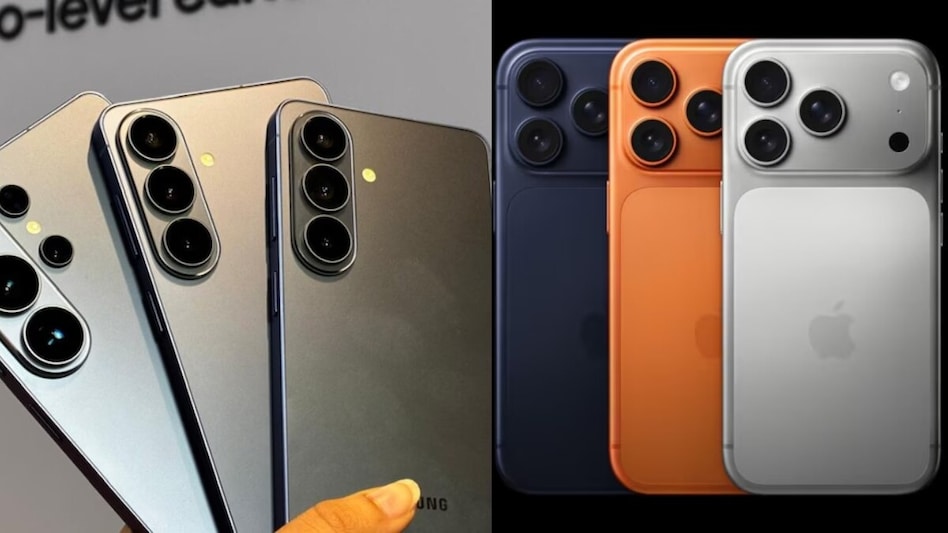
Reclaiming Control: Librarians Host Workshops to Help People Navigate AI Tools
In a lively library setting in South Philadelphia, Charlie Bailey, a local librarian, humorously noted, "Everybody’s on ...
TechCrunch | Jul 25, 2026, 16:20
The Future of Work: Executives Weigh In on AI's Impact on Gen Z Careers
As generative artificial intelligence continues to rise, uncertainty looms for the incoming Gen Z workforce. Leaders fro...
Business Insider | Jul 26, 2026, 10:15