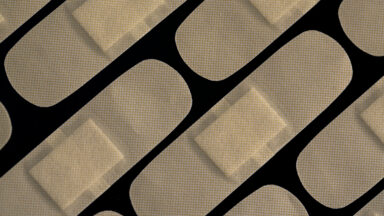
Bandages made of medical waste cost Medicare $10B last year—limits are coming
In a staggering revelation, Medicare's expenditures exceeded $10 billion last year on questionable bandages known as skin substitutes, which come with astronomical price tags. Some of these products are controversially crafted from medical waste, including remnants from discarded placentas and infant foreskin. Alarmingly, many of these bandages have not undergone comprehensive testing to demonstrate any superiority over traditional bandaging methods. Reports indicate that Medicare has made payments for some bandages that cost over $21,000 per square inch. Moreover, individual patients have accrued bills surpassing $1 million for bandaging alone, in some cases for individuals without any actual wounds. Unlike Medicare, most private insurance providers refuse to cover these bandages, labeling them as "unproven and not medically necessary." The surge in Medicare's spending can be traced back to a regulatory shift in 2020, which permitted a broader application of these skin substitutes, particularly for treating diabetic ulcers. Since the beginning of 2023, an investigative report from The New York Times revealed that over 100 new products have flooded the market. Two primary factors contribute to the exorbitant costs associated with these bandages. Initially, due to an unusual pricing policy, Medicare allows manufacturers to set the reimbursement rate based on their chosen price during the first six months of availability. Additionally, physicians receive significant discounts, which incentivizes them to prescribe these high-cost items for increased reimbursement. After the initial six-month period, reimbursement rates revert to what physicians pay after discounts from manufacturers. However, some manufacturers circumvent these limitations by introducing new products that closely resemble their predecessors, thus preserving the inflated reimbursement rates.
Stanford Entrepreneurs Secure $11.6 Million to Revolutionize Women's Health Wearables
In a bold move to address a significant gap in the $100 billion wearable technology market, two graduates from Stanford ...
Business Insider | Jul 05, 2026, 09:15India's Semiconductor Revolution: Chips from Sanand Set for Global Markets
In a significant milestone for India's technology landscape, Union Electronics and IT Minister Ashwini Vaishnaw announce...
Business Today | Jul 05, 2026, 03:55
Building an AI Empire from a Castle: The Unique Journey of a Startup CEO
In the picturesque village of Bourron-Marlotte, located just an hour south of Paris, Rémi Louf, the 39-year-old cofounde...
Business Insider | Jul 04, 2026, 08:45Investor Enthusiasm Fuels Surge in New Unicorn Startups
The startup ecosystem is witnessing a remarkable surge in unicorns, spurred by an investor appetite for artificial intel...
TechCrunch | Jul 05, 2026, 13:50
Alibaba Takes Stand Against Claude Code: Employees Directed to Use Qoder
In a notable move within the tech industry, Alibaba has announced that it will prohibit its employees from utilizing Ant...
TechCrunch | Jul 04, 2026, 16:55