Mark Cuban warns the AI wars could end like the search engine crash — with one winner and a lot of losers
Mark Cuban, the billionaire investor and entrepreneur, has voiced concerns about the current AI arms race, drawing parallels to the intense competition of the 1990s search engine boom. In a recent discussion on the "Pioneers of AI" podcast, he expressed that the race to develop the most powerful AI models may culminate in a scenario where one company emerges as the clear victor, leaving others in the dust. Cuban highlighted that numerous companies are vying to create the ultimate foundational AI model, akin to the multitude of search engines that existed before Google solidified its dominance. He remarked, "There were all these different [search engines] and you didn't know if it was going to be a winner-take-all, or a top five. Now, we know with search engines it's Google, and then there's Bing, as, like, 1 or 2% and DuckDuckGo has got a half a percent. So it's effectively a winner-take-all." He warned that this situation could lead to significant economic consequences as major AI players, including Google, Meta, and OpenAI, are investing heavily in their technologies. Cuban cautioned that this relentless race may create an unsustainable bubble, a sentiment echoed by other industry leaders such as Sam Altman and Bill Gates. "They may be overspending," he added, foreseeing potential repercussions if the competition escalates beyond manageable limits. Cuban's apprehensions extend to the infrastructure supporting AI development, particularly the costly data centers required to support large AI models. He expressed skepticism about the sustainability of these investments over the next decade, suggesting that advancements in technology could render current expenditures unnecessary. "It just doesn't feel right to me," he stated. He believes that true disruption in the AI sector will stem from groundbreaking innovations that are yet to be envisioned. Cuban remarked, "Somebody's going to come up with some incredible stuff, right? If I knew what it was, I'd do it." Drawing from his experiences during the dot-com boom, he noted the similar mixture of excitement and overspending currently characterizing the AI landscape. Cuban concluded that success in the AI wars will hinge not only on who develops the largest model but also on who devises the most intelligent one. His insights suggest that, historically, many competitors may not endure long enough to see the final outcome.
Unlocking Your Google Account Just Got Easier with Selfie Video Verification
In an innovative move, Google has introduced a new recovery feature called the 'Selfie Video' method, designed to simpli...
Business Today | Jul 24, 2026, 06:50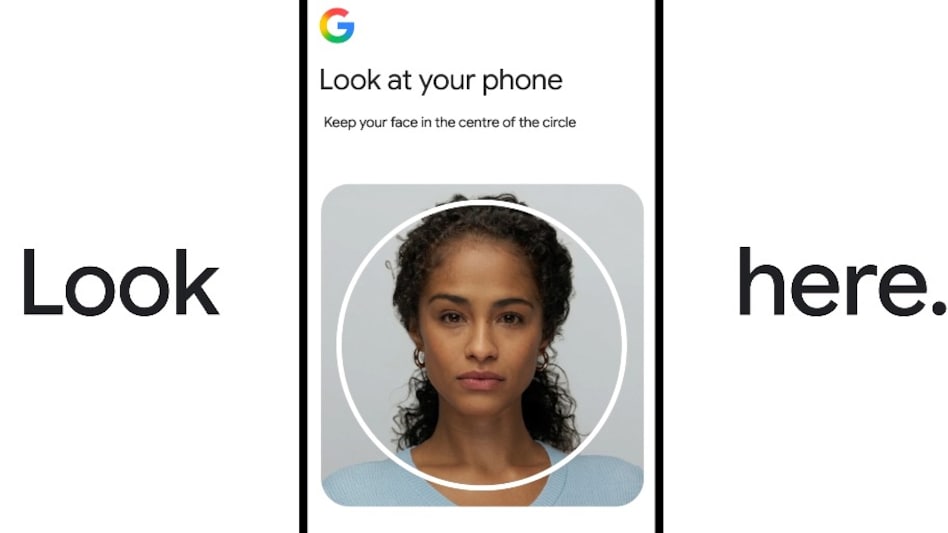
Tech Giants Unite to Advocate for Open AI Models Amid Regulatory Concerns
In a bold move reflecting their shared vision for the future of artificial intelligence, leading tech figures have come ...
Business Insider | Jul 24, 2026, 14:45Flipkart Enters the Food Delivery Arena, Challenging Major Competitors
Walmart's e-commerce powerhouse, Flipkart, is gearing up to launch its own food delivery platform, igniting competition ...
Business Today | Jul 24, 2026, 07:15
Facebook Unveils New Seller App and Free Verification System to Boost Marketplace Engagement
In an effort to enhance user engagement and streamline operations, Facebook has announced a series of updates aimed at M...
TechCrunch | Jul 24, 2026, 13:00
India Takes Action Against Jack Dorsey's Bitchat App Amid Protests
In a significant move, India's cybercrime agency, the Indian Cyber Crime Coordination Centre (I4C), has mandated GitHub ...
Business Today | Jul 24, 2026, 10:25