Hot AI startup Lovable's security stumble shows one big risk in vibe coding
A recent incident involving Lovable, a Swedish AI coding startup, has raised significant concerns about the security implications of vibe coding. On Monday, a user on X, known as "Impulsive," claimed that Lovable experienced a data breach that impacted all projects created before November 2025, allowing access to another user's code, AI chat histories, and customer data through a free account. The user highlighted that employees from major companies such as Nvidia, Microsoft, Uber, and Spotify were among those affected. They noted that despite reporting the issue 48 days prior, Lovable categorized it as a duplicate and left it unresolved. In response, Lovable refuted the breach claim, asserting that the visibility of public project codes was intentional to facilitate exploration of ongoing projects. However, following backlash regarding the clarity of their messaging and user data security, Lovable issued a second statement explaining that since December, all subscription tiers defaulted to private visibility. They further admitted to a security miscalculation, confessing that a backend update had inadvertently made chats on public projects accessible again. Upon discovering this, they promptly reverted this change to restore privacy to public chats. The incident has elicited mixed reactions from users. Some appreciated Lovable's transparency, while others expressed frustration, comparing the initial response to gaslighting. Tom Van de Wiele, founder of the security firm Hacker Minded, characterized this event as a stark reminder of the need for secure defaults in the age of automation and AI. He cautioned that relying on users to differentiate between public and private information often leads to security oversights. Jake Moore, a global cybersecurity advisor at ESET, argued that while this incident might not fit the traditional definition of a data breach, it nonetheless exposes critical vulnerabilities. He noted that the focus on semantics rather than the impact suggests a lack of foundational security measures from the outset. Professional developers generally discourage excessive reliance on AI due to its tendency to generate untested and potentially insecure code, further complicating information security. The Lovable incident is part of a worrying trend, following two significant data leaks from AI companies in recent weeks. Anthropic recently reported a leak involving nearly 2,000 files and 500,000 lines of code, while Vercel disclosed unauthorized access to internal systems due to a third-party tool compromise. These occurrences underscore the urgent need for robust security practices in an era where AI technologies are increasingly deployed in coding environments.
Reclaiming Control: Librarians Host Workshops to Help People Navigate AI Tools
In a lively library setting in South Philadelphia, Charlie Bailey, a local librarian, humorously noted, "Everybody’s on ...
TechCrunch | Jul 25, 2026, 16:20
The Boring Company Eyes $4 Billion Funding Boost Amid Expanding Tunnel Ventures
Elon Musk's tunneling enterprise, The Boring Company, is reportedly negotiating a substantial funding round of $4 billio...
TechCrunch | Jul 25, 2026, 19:50
Unleashing the Power of AI: The 5 Smartphones Redefining Mobile Photography
Artificial Intelligence (AI) is transforming our daily experiences, permeating various aspects of technology, including ...
Business Today | Jul 26, 2026, 07:05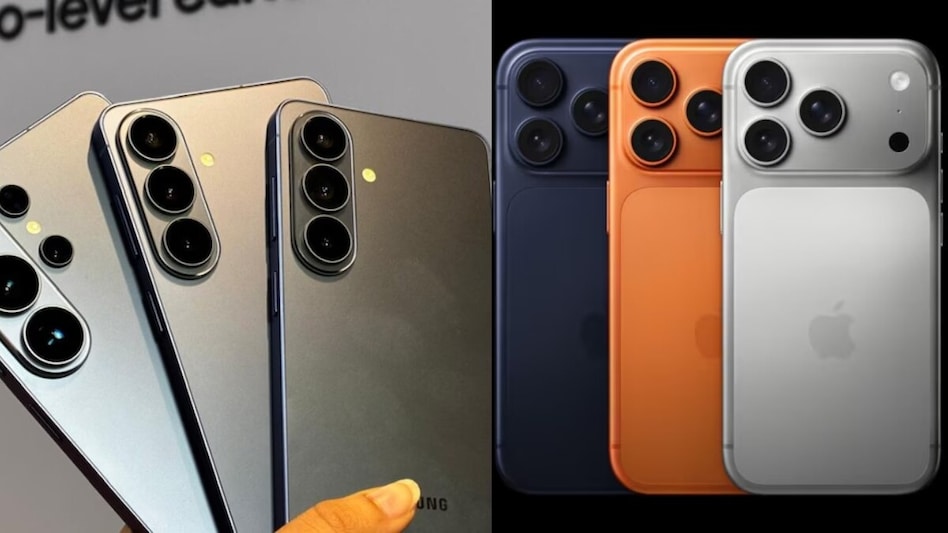
Warner Bros. Takes Legal Action Against Amazon Over Executive Poaching Allegations
Warner Bros. Discovery has initiated legal proceedings against Amazon, accusing the tech giant of unlawful interference ...
TechCrunch | Jul 25, 2026, 21:25
AI Transformations Lead to Major Job Cuts at Tech Giants
Monday.com, the innovative work management platform based in Tel Aviv, has recently announced significant layoffs, attri...
TechCrunch | Jul 26, 2026, 01:45