
Studio Ghibli–backed Japanese publishers don’t want OpenAI using their content
The recent surge of AI-generated videos inspired by Studio Ghibli's iconic art style on OpenAI's Sora 2 platform has sparked significant controversy. Hayao Miyazaki, co-founder of Studio Ghibli and a vocal opponent of AI in the creative realm, has previously expressed that AI-generated visuals conflict with the studio's artistic integrity. In a formal appeal, the Content Overseas Distribution Association (CODA), representing prominent Japanese publishers including Studio Ghibli, urged OpenAI to stop utilizing copyrighted Japanese content for training its artificial intelligence systems. This request was submitted on October 27, following the launch of Sora 2 on September 30. CODA highlighted that a substantial portion of the content produced by Sora 2 closely mirrors existing Japanese works, raising serious concerns about potential copyright infringement. In their letter, CODA emphasized that reproducing copyrighted materials during the AI training process could violate copyright laws, particularly when the outputs bear a striking resemblance to existing creations. They expressed dissatisfaction with OpenAI's opt-out mechanism, which permits copyright holders to request the removal of their works from training data post-factum. CODA argued that this practice contradicts Japan’s copyright regulations, which typically necessitate prior authorization for the use of protected works. Moreover, CODA called on OpenAI to find a balance between fostering technological progress and respecting the rights of creators, asserting that both aspects must be safeguarded to promote the healthy advancement of AI technology. This development comes shortly after OpenAI faced backlash regarding its management of sensitive content on Sora, including a recent pause on image generation featuring Martin Luther King Jr. due to objections from his estate. OpenAI stated it is enhancing safeguards for historical figures in response to these concerns. The letter from CODA contributes to the ongoing global dialogue about how AI companies acquire and utilize creative content for training their models. There is a growing push from governments and rights organizations worldwide for increased transparency and explicit consent from creators whose works are integral to these AI systems.
Strategic Payroll Solutions: Preparing for Future Growth
As businesses evolve, so do their payroll needs. Consider a mid-sized company that, after implementing a payroll system ...
Business Insider | Jul 23, 2026, 21:15Mobileye's Visionary Leader Transitions as Company Shifts Focus to Robotics and Robotaxis
Amnon Shashua, the founder and CEO of Mobileye, has announced his intention to step down from his leadership role after ...
TechCrunch | Jul 23, 2026, 23:15
Unlocking Your Google Account Just Got Easier with Selfie Video Verification
In an innovative move, Google has introduced a new recovery feature called the 'Selfie Video' method, designed to simpli...
Business Today | Jul 24, 2026, 06:50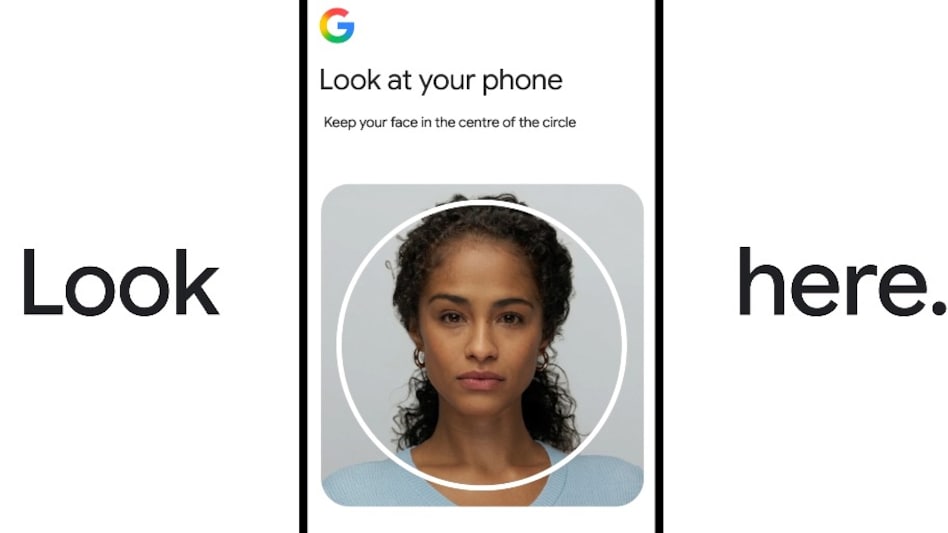
China's Memory Chip Giant CXMT Set to Challenge Market Dynamics with Major IPO
ChangXin Memory Technologies (CXMT), China's leading memory chip manufacturer, is preparing for a significant public lis...
CNBC | Jul 24, 2026, 02:15
Amazon Implements New Labeling Requirement for AI-Generated Images Following New York Legislation
In response to a recent New York law aimed at enhancing transparency in advertising, Amazon has announced a new policy r...
CNBC | Jul 24, 2026, 24:45