Robots and AI, Japan's defence against dementia: How Japan tackles growing dementia cases
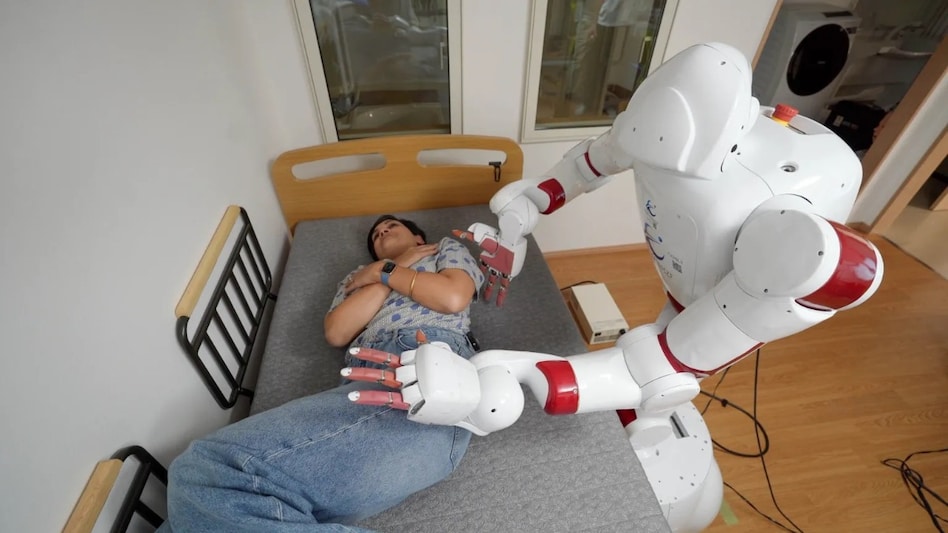
As one of the world's most rapidly ageing nations, Japan is grappling with an urgent social issue: a rising tide of dementia cases compounded by a critical shortage of caregivers. In response, the country is increasingly embracing cutting-edge technologies, deploying various AI tools and robotic assistants to aid both patients and the overwhelmed healthcare system. The scale of the challenge is alarming. With nearly 30% of its population aged 65 and older, Japan reported that over 18,000 elderly individuals with dementia went missing in just one year, leading to tragic outcomes for many. The financial burden associated with dementia-related health and social care is projected to escalate dramatically, reaching 14 trillion yen (approximately $90 billion) by 2030. This has prompted a strategic pivot towards automated solutions by the Japanese government. One of the immediate applications of technology is in the realm of safety. Communities across Japan are rolling out widespread GPS-based tracking systems. Local authorities and care organizations are distributing wearable devices that can be attached to clothing or shoes, which alert caregivers instantly if a person strays from a designated safe zone. This initiative has effectively created a modern 'community safety net', with convenience store staff and others receiving real-time alerts to assist in locating missing individuals promptly. Moreover, AI is being harnessed for early detection of dementia. Innovative systems like Fujitsu’s aiGait analyze subtle changes in walking patterns and posture, which can indicate early signs of cognitive decline. This allows for earlier medical intervention, potentially helping individuals maintain their independence for longer. At the forefront of this technological evolution are humanoid robots. A notable example is AIREC, a prototype developed by Waseda University. Weighing 150 kg, this robot is designed to perform physically demanding tasks, such as repositioning individuals to prevent bedsores and even assisting with simple chores like folding laundry. While experts acknowledge that these advanced humanoid robots are still years away from widespread use in care facilities and will initially carry a high price tag, their potential is undeniable. It is crucial to emphasize that both researchers and human care professionals insist that these technologies are meant to complement, not replace, human interaction. While robots can manage routine and time-consuming tasks, the essential human connection and emotional support remain vital for the dignity and well-being of those living with dementia. Japan's approach is becoming a critical case study for other countries facing similar demographic challenges. India, for instance, is witnessing a rise in dementia cases, with around 8.8 million individuals over 60 currently affected and projections estimating that this number will double by 2036. Observing Japan's advancements and adapting such technologies could be pivotal in addressing the growing dementia crisis in India and beyond.
Jeff Bezos Invests in CuspAI's Ambitious Quest for Next-Gen Materials with Nvidia Partnership
In a significant move in the tech sector, Jeff Bezos has thrown his support behind CuspAI, a British startup that has re...
CNBC | Jul 20, 2026, 10:10
Netflix Invests Heavily in Ben Affleck's AI-Powered Filmmaking Venture
Netflix has officially disclosed a staggering $587 million cash acquisition of InterPositive, a filmmaking startup co-fo...
TechCrunch | Jul 19, 2026, 22:10
Apple Raises Subscription Prices for Services in India
In a significant move, Apple has announced an increase in the prices of its subscription services in India, following re...
Business Today | Jul 20, 2026, 06:00
Apple's Price Surge: iPhone 17 Costs Climb in Japan—What's Next for India?
Apple has officially raised the prices of its iPhone 17 models in Japan, marking a significant increase that reflects a ...
Business Today | Jul 20, 2026, 05:30
India's Groundbreaking Leap in Precision Timing with White Rabbit Technology
In the realm of modern digital infrastructure, time stands as an unseen yet crucial component. Every mobile call, financ...
Business Today | Jul 19, 2026, 10:50