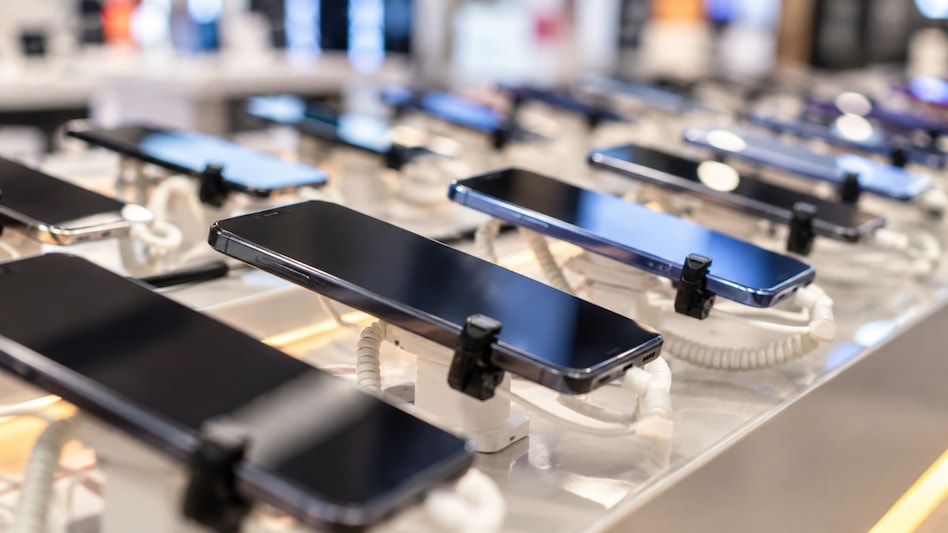
Still using a 2-3-year-old smartphone? Here’s why you may not need to buy a new flagship yet
The allure of a new flagship smartphone is hard to resist, especially with promises of superior cameras, enhanced displays, faster processors, and cutting-edge artificial intelligence features. However, for many consumers in India, the question remains: is it truly necessary to upgrade every year or two? The reality is that smartphones have matured significantly, and the differences between successive models are often subtle at best. A device that competently manages calls, payments, photography, navigation, and entertainment can continue to serve its purpose effectively for several years, as long as its battery, software, and hardware are well-maintained. Keeping your current smartphone might be a more prudent financial choice than pursuing every new release. One of the primary reasons to think twice before upgrading is that advancements from one flagship model to the next are frequently incremental. While a newer processor might achieve better benchmark scores, users may not discern a substantial difference during everyday activities like browsing, video watching, or social media engagement. The same holds true for camera upgrades; if your existing phone captures images that satisfy your needs, investing in a new model for just marginal improvements may not be worthwhile. Moreover, the smartphone market in India is witnessing a shift towards more thoughtful purchasing decisions. A recent report from Counterpoint Research and Flipkart highlights that the average replacement cycle is extending from around 3.5 years to four years, as consumers prioritize affordability and long-term value. In 2025, smartphones priced above ₹30,000 represented 22% of total shipments, indicating a growing segment for premium devices. However, a higher price tag doesn't necessarily mean you should replace your phone more frequently. If your current device functions smoothly, offers adequate storage, and receives security updates, there may be little justification for spending ₹70,000 or more on a new flagship. When contemplating an upgrade, battery health should be among the first factors to assess. If your phone requires constant charging or has significantly reduced battery life, replacing the battery could be a more economical option than buying a new device. For instance, Apple states that iPhone 14 models retain 80% of their original battery capacity after 500 complete charge cycles under ideal conditions, while iPhone 15 models can last for up to 1,000 cycles. Software support is equally essential. Using a phone that no longer receives security updates poses risks, especially for sensitive tasks like banking and payments. Different manufacturers have varying support commitments; for example, Google offers seven years of OS and security updates for Pixel 8 and newer models, while Samsung provides up to seven years of security updates for select Galaxy devices. Consider upgrading only if your phone frequently crashes, struggles with essential applications, has costly hardware damage, or no longer receives security updates. Otherwise, addressing issues such as battery replacement, freeing up storage, or repairing damaged components can significantly extend your device's life. Before jumping at the next flagship release, weigh its benefits against the capabilities of your current smartphone. If the new features do not address everyday challenges, keeping your existing device might be the more practical choice.
Nvidia's Leadership Shakeup: CFO Excluded from CEO Reinstatement Talks
Nvidia's chief financial officer, Colette Kress, who had a brief stint as interim CEO, was reportedly not included in se...
Business Today | Nov 24, 2026, 15:15
realme P4x 5G vs vivo Y31t 5G: Which Smartphone Offers the Best Bang for Your Buck?
When it comes to choosing between the realme P4x 5G and the vivo Y31t 5G, potential buyers are faced with distinct advan...
Business Today | Nov 24, 2026, 01:50
Revolutionizing Cybersecurity: AI's Role in Modern Threat Detection and Defense
As businesses increasingly embrace digital transformation and artificial intelligence, the complexity of cybersecurity t...
Business Today | Nov 24, 2026, 08:30
Saudi Engineer Faces Legal Battle Over Alleged Espionage Using AI Tech
A Saudi engineer employed by OpenAI, Abdulrahman Alfozan, is at the center of a legal dispute as prosecutors allege he u...
Business Insider | Nov 23, 2026, 23:50Tidal Takes Bold Step Against AI Music Flood, Set to Remove Millions of Tracks
In a decisive move to combat the overwhelming influx of AI-generated music, Tidal announced on Tuesday its plans to ban ...
TechCrunch | Nov 24, 2026, 17:10