The AI bubble debate: 13 business leaders from Sam Altman to Bill Gates to Mark Cuban weigh in
The rapid expansion of the AI sector raises questions about its sustainability, with various tech leaders voicing their thoughts on whether we are on the brink of a bubble. OpenAI's CEO Sam Altman has expressed concerns, suggesting that the excitement around AI may be overly inflated. He noted, "When bubbles happen, smart people get overexcited about a kernel of truth," affirming his belief that while AI holds tremendous potential, the current investment climate feels exaggerated. Microsoft co-founder Bill Gates echoed these sentiments, comparing the current AI frenzy to the dot-com bubble. He remarked that while the internet ultimately proved valuable, many companies at that time were overvalued. Gates cautioned that some investments in AI could lead to dead ends but still recognized AI as a landmark technological development. Mark Cuban, the entrepreneur known for his timely exit from Broadcast.com, sees the situation differently. He asserts that the current AI landscape lacks the same pitfalls as the dot-com era, highlighting that today’s companies appear to have more intrinsic value. Cuban stated, "We're not seeing funky AI companies just go public," indicating a level of scrutiny he believes is missing from past bubbles. Nvidia CEO Jensen Huang dismissed the bubble notion entirely, framing AI as part of an essential shift in computing paradigms. He explained that AI's evolution is a natural progression rather than a speculative frenzy. Huang emphasized that AI advancements are generating substantial value, reinforcing Nvidia's strong market position. Conversely, Meta's Mark Zuckerberg admitted that AI could develop into a bubble if advancements stagnate. He suggested that if innovation continues to accelerate, a collapse may not occur. Zuckerberg highlighted the importance of sustained development to avoid repeating history. OpenAI’s chairman, Bret Taylor, expressed a dual perspective: while AI will undoubtedly transform economies, there is a bubble, likening it to trends seen in the past. He warned that many investors might face significant losses. Amazon's Jeff Bezos characterized the current environment as an "industrial bubble," where distinguishing between viable and non-viable ideas becomes challenging amid the excitement. He acknowledged the potential benefits of this phase, suggesting that it could lead to significant societal advancements. Former Google CEO Eric Schmidt argued that the apparent bubble might not reflect reality, predicting that we are witnessing the emergence of a new industrial structure. Meanwhile, former Intel CEO Pat Gelsinger agreed that a bubble exists but believes it will take time to manifest fully. Alibaba co-founder Joe Tsai expressed concern over the rush to build data centers, fearing it may outpace actual demand. Hedge fund founder Ray Dalio pointed out parallels to the late 1990s, underlining that while AI will change the world, not all investments will succeed. Lastly, AMD’s Lisa Su countered the bubble narrative, urging a long-term view of AI's potential impact on various sectors. She argued that the current excitement should be viewed through the lens of future returns rather than immediate profits. As the AI discourse continues, leaders in technology remain divided on the potential for a bubble, reflecting a complex landscape filled with both optimism and caution.
Unlocking Your Google Account Just Got Easier with Selfie Video Verification
In an innovative move, Google has introduced a new recovery feature called the 'Selfie Video' method, designed to simpli...
Business Today | Jul 24, 2026, 06:50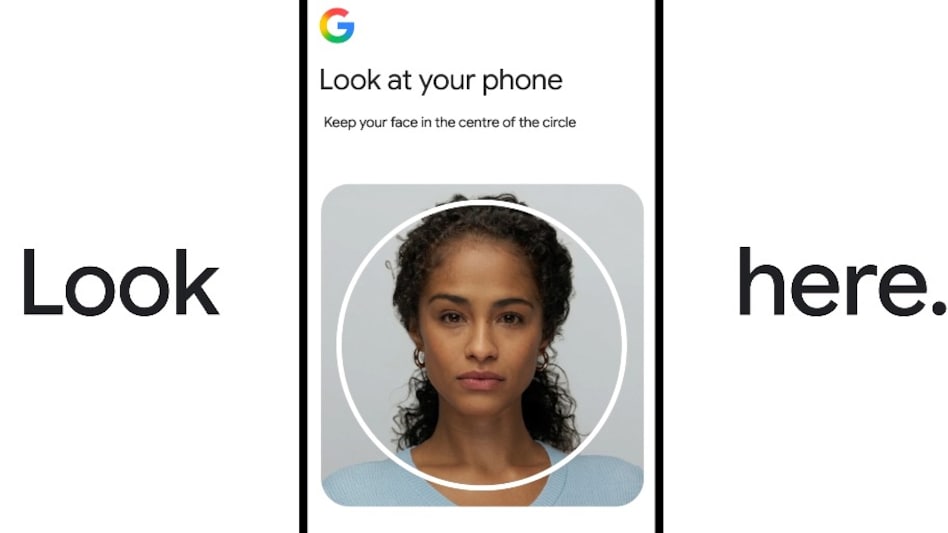
Strategic Payroll Solutions: Preparing for Future Growth
As businesses evolve, so do their payroll needs. Consider a mid-sized company that, after implementing a payroll system ...
Business Insider | Jul 23, 2026, 21:15China's Kimi K3: A New Contender in the Global AI Race Sparks US Concerns
The tech world is buzzing once again as a new Chinese AI model, Kimi K3, developed by the startup Moonshot AI, challenge...
CNN | Jul 24, 2026, 02:05
Australia Gears Up for Startup Showdown: Meet the Judges Who Will Shape the Future
The excitement is building as TechCrunch Startup Battlefield makes its way to Australia, in collaboration with Stripe, t...
TechCrunch | Jul 24, 2026, 24:30
Amazon Implements New Labeling Requirement for AI-Generated Images Following New York Legislation
In response to a recent New York law aimed at enhancing transparency in advertising, Amazon has announced a new policy r...
CNBC | Jul 24, 2026, 24:45