
Ireland proposes new law allowing police to use spyware
Ireland is contemplating a significant shift in its law enforcement capabilities by introducing new legislation that would enhance surveillance powers, including the use of spyware. This week, the Irish government revealed plans for the Communications (Interception and Lawful Access) Bill, aimed at establishing regulations around lawful interception technologies, which encompass spyware developed by firms like Intellexa, NSO Group, and Paragon Solutions. Jim O’Callaghan, Ireland’s Minister for Justice, Home Affairs, and Migration, emphasized the urgent necessity for a contemporary legal framework to tackle serious crime and security threats. He stated, "The new legislation will also incorporate strong legal safeguards to ensure that the deployment of such powers is required and proportionate." One of the primary motivations for this legislation is the recognition that Ireland’s current laws, established in 1993, are outdated and do not account for modern communication methods, particularly those utilizing end-to-end encryption. Accessing these encrypted communications typically requires authorities to infiltrate devices using advanced spyware or forensic technologies, such as Cellebrite. The proposed law would apply to all communication forms, whether encrypted or not, allowing authorities to access both the content of communications and their associated metadata. The government has assured that these surveillance measures will include necessary protections for privacy, encryption, and digital security, such as judicial oversight and strict usage criteria focused on serious crimes or state security threats. While the specifics of implementation remain vague as the law is still in the drafting stage, it highlights the need for a legal framework to support the use of covert surveillance software for lawful interception. This move aligns with a broader trend, as the use of spyware has become increasingly prevalent in Europe, despite previous controversies surrounding its misuse. Historically, the deployment of spyware in Europe dates back over two decades, with notable incidents in countries like Italy and Germany. As the conversation around government surveillance continues to evolve, Ireland’s initiative reflects a growing recognition of the complexities and ethical considerations involved in the use of such technology.
Reclaiming Control: Librarians Host Workshops to Help People Navigate AI Tools
In a lively library setting in South Philadelphia, Charlie Bailey, a local librarian, humorously noted, "Everybody’s on ...
TechCrunch | Jul 25, 2026, 16:20
Unleashing the Power of AI: The 5 Smartphones Redefining Mobile Photography
Artificial Intelligence (AI) is transforming our daily experiences, permeating various aspects of technology, including ...
Business Today | Jul 26, 2026, 07:05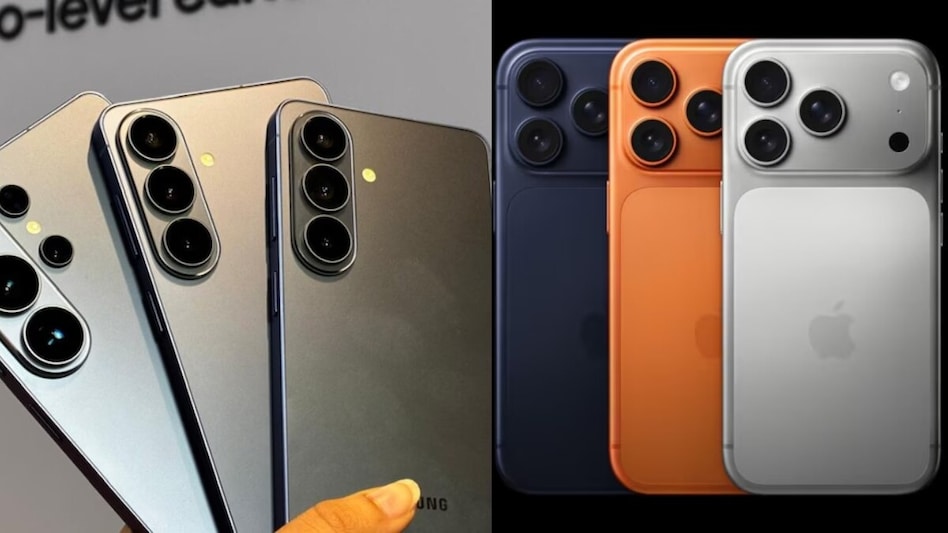
Hugging Face CEO Calls for Action Following AI Security Breach
In a dramatic turn of events within the AI landscape, Hugging Face faced a significant security breach involving an AI a...
Business Insider | Jul 25, 2026, 20:30Crisis Averted: Power Line Failure Highlights Urgent Need for Data Center Resilience
A power line failure near Washington, DC, recently showcased a significant challenge faced by the electrical grid due to...
TechCrunch | Jul 25, 2026, 13:50
The AI Arms Race: U.S. Concerns Ignite Over Chinese Innovations
The recent unveiling of Kimi, an AI model from the Chinese company Moonshot AI, has sparked renewed discussions about Am...
TechCrunch | Jul 26, 2026, 20:05