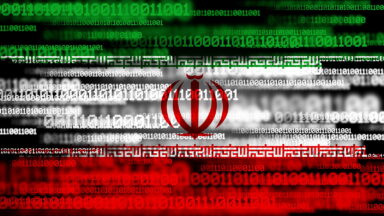
Iran’s hackers are on the offensive against the US and Israel
In a recent surge of cyber aggression, Iranian hackers have targeted Israel, coinciding with missile alerts that reverberated across the nation. Thousands of Israelis received deceptive messages purporting to be from their military, urging them to download a fraudulent shelter application that could compromise sensitive personal information. Moreover, alarming texts warned, 'Netanyahu is dead. Death is approaching you, and soon the gates of hell will open before you. Before the fire of Iranian missiles destroys you, leave Palestine.' Cybersecurity experts assert that these alarming communications represent just the tip of the iceberg in a broader cyber conflict involving Iran, Israel, and the United States, along with their respective online supporters. While they may wield keyboards instead of firearms, Iran’s hackers are seasoned operatives, engaged in a long-standing digital battle with Israel. Chris Krebs, former director of the Cybersecurity and Infrastructure Security Agency (CISA), remarked, 'The Iranians are throwing everything they have at this. It is all hands on deck.' He emphasized that if their cyber personnel are active, they are likely engaged on their keyboards. The motives behind this cyber onslaught are diverse, ranging from instilling fear and creating chaos to gathering intelligence and pinpointing missile targets. In the complex realm of cyber warfare, discerning which side holds the advantage is challenging. However, the importance of dominating the digital battlefield has prompted Iran to significantly invest in strategies aimed at breaching American and Israeli defenses. Analysts note that Iran operates with three distinct levels of cyber operators, often overlapping in their functions. The most skilled teams are directly managed by the Islamic Revolutionary Guard Corps and the Ministry of Intelligence. These units utilize a complex network of front organizations to provide plausible deniability for their attacks while simultaneously issuing public threats.
The Future of Work: Executives Weigh In on AI's Impact on Gen Z Careers
As generative artificial intelligence continues to rise, uncertainty looms for the incoming Gen Z workforce. Leaders fro...
Business Insider | Jul 26, 2026, 10:15Shifting Focus: The Cost-Effectiveness of AI Models Takes Center Stage
In recent years, the AI sector has been intensely focused on identifying the most advanced models. While this pursuit re...
Business Insider | Jul 25, 2026, 13:10The Aluminum Foil Trend: A DIY Shield Against Wireless Identity Theft
Have you noticed an unusual trend where people are wrapping their wallets in aluminum foil? This peculiar practice has e...
Business Today | Jul 25, 2026, 02:45
Hugging Face CEO Calls for Action Following AI Security Breach
In a dramatic turn of events within the AI landscape, Hugging Face faced a significant security breach involving an AI a...
Business Insider | Jul 25, 2026, 20:30Warner Bros. Takes Legal Action Against Amazon Over Executive Poaching Allegations
Warner Bros. Discovery has initiated legal proceedings against Amazon, accusing the tech giant of unlawful interference ...
TechCrunch | Jul 25, 2026, 21:25